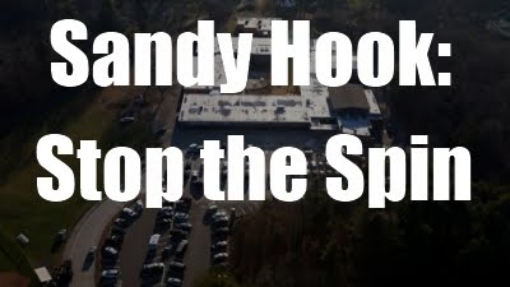
The Sandy Hook Shooting and the Fog of Breaking News
On December 14, 2012, a gunman killed 20 children and 6 staff members at Sandy Hook Elementary School in Newtown, Connecticut, before taking his own life. The shooter, 20-year-old Adam Lanza, had first killed his mother Nancy at their home before driving to the school with multiple firearms registered in her name.
The shooting became one of the deadliest school massacres in American history and triggered a national conversation about gun violence, mental health, and school security. It also became a case study in how breaking news coverage can generate confusion, contradictory reports, and lasting questions about the reliability of initial media narratives during crisis events.
The Evolving Media Narrative
In the hours following the shooting, media outlets reported a rapidly shifting set of facts that frequently contradicted one another. The initial coverage contained several significant errors that were later corrected but not before circulating widely.
Early reports identified the shooter as Ryan Lanza, Adam’s older brother, who was actually at his workplace in Hoboken, New Jersey at the time. Ryan’s name and photo were broadcast nationally before the error was corrected. Initial reports also claimed that Nancy Lanza was a teacher at Sandy Hook Elementary, a detail that was repeated across multiple outlets before school staff confirmed that no one by that name had ever worked there. Nancy Lanza had no formal connection to the school.
The weapons used in the attack were also subject to conflicting reports. Early accounts stated that two handguns, a Glock and a Sig Sauer, were found near the shooter’s body, while a Bushmaster .223-caliber rifle was recovered from the trunk of a car in the parking lot. This narrative was later revised to state that the rifle was the primary weapon used inside the school, a finding confirmed by the Connecticut Chief Medical Examiner, who reported that all victims he examined had been shot with the rifle, sustaining between three and eleven wounds each.
Emergency Response and Chaotic Reports
The live emergency services radio feed from that day captured a fast-moving and confusing scene. First responders reported ongoing gunfire, individuals fleeing the area, and the apprehension of at least one person in the woods near the school. These early reports of multiple possible suspects were common in the chaotic first minutes of the response.
Police were reported on scene almost immediately, and the shooting itself lasted only minutes. The school’s security system, which required visitors to be buzzed in after being identified on a video monitor, had been in place but did not prevent the gunman’s entry. Investigators later determined that the shooter had forced his way into the building.
Teacher Kaitlin Roig made headlines for her presence of mind in barricading children in a bathroom and refusing to open the door for police until they could verify their identity by sliding badges underneath it, a decision that reflected both the extreme stress of the situation and the confusion about who was actually in the building.
Corrections and the Challenge of Real-Time Reporting
The Sandy Hook coverage highlighted a recurring problem in American media: the tension between the pressure to report breaking news instantly and the time required to verify basic facts. Within 24 hours, the identity of the shooter, the weapons used, the shooter’s relationship to the school, and the number of suspects had all been reported incorrectly by major outlets before being corrected.
Some of these errors were straightforward consequences of the chaos inherent in any mass casualty event. First responders encountering an active scene generate fragmentary reports that can be misinterpreted. Witnesses under extreme stress provide accounts that may be inaccurate or incomplete. Law enforcement officials speaking on background to reporters may relay preliminary information that is later superseded by evidence.
The case demonstrated how initial errors, once broadcast, can take on a life of their own, creating confusion that persists long after official corrections are issued. The discrepancy between early reports of the rifle being found in a car trunk and the later determination that it was the primary weapon used in the attack, for example, became a persistent source of public confusion.
The Gun Control Debate
The Sandy Hook massacre reignited the American debate over firearms regulation with an intensity not seen in years. The fact that 20 of the victims were children between the ages of six and seven gave the tragedy a particular emotional weight that transcended ordinary political divisions.
Gun control advocates pointed to the shooting as evidence that civilians should not have access to military-style semi-automatic weapons capable of firing dozens of rounds in minutes. Gun rights supporters responded with concerns about government overreach and the protection of Second Amendment rights, and firearms sales surged in the aftermath as some buyers anticipated new restrictions.
The broader policy debate that followed, including proposals for universal background checks, assault weapons bans, and improved mental health services, reflected deep divisions in American society about how to balance individual rights against collective safety.
Lessons About Media Coverage of Mass Violence
The Sandy Hook shooting underscored several persistent challenges in how American media covers mass violence. The competitive pressure to be first often overwhelms the journalistic obligation to be accurate. Anonymous law enforcement sources provide information that may be preliminary, speculative, or simply wrong. And once a narrative takes hold in the first hours of coverage, corrections struggle to keep pace with the original errors.
The event also highlighted the responsibility that media organizations bear in reporting on mass shootings. The initial misidentification of Ryan Lanza as the shooter subjected an innocent person to hours of public suspicion and harassment. The incorrect report that Nancy Lanza was a teacher at the school shaped public understanding of the shooter’s motives in ways that proved unfounded.
For researchers and journalists studying how information flows during crisis events, Sandy Hook remains a significant case study in the gap between initial reporting and verified facts, and in the lasting consequences of getting the story wrong in those critical first hours.