Terahertz Technology Turns Phones Into See-Through Scanners
Researchers at the University of Texas at Dallas developed a microchip capable of capturing images through walls, wood, plastics, and fabric using a previously untapped portion of the electromagnetic spectrum known as the terahertz band.
The terahertz range sits between infrared and microwave frequencies on the electromagnetic spectrum. While this range holds significant imaging potential, it had remained largely inaccessible for consumer-grade devices until this research breakthrough.

How the Technology Works
The team, led by Dr. Kenneth O, a professor of electrical engineering and holder of the Texas Instruments Distinguished Chair, designed a system that creates images using terahertz-range signals without requiring multiple lenses inside the device. This approach significantly reduces both the size and cost of the imaging system.
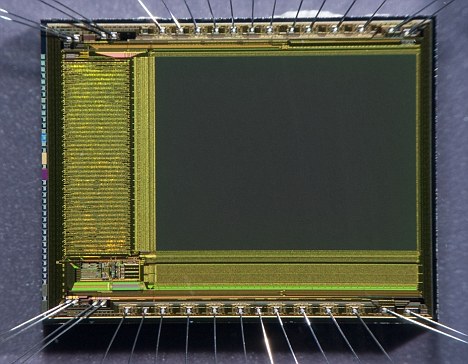
The key innovation was building the system on CMOS (Complementary Metal-Oxide Semiconductor) technology, the same affordable chip manufacturing process used in personal computers, smartphones, HDTVs, and game consoles. This meant the terahertz imaging chip could theoretically be small enough to fit on the back of a cellphone.
“The combination of CMOS and terahertz means you could put this chip and receiver on the back of a cellphone, turning it into a device carried in your pocket that can see through objects,” Dr. O explained.
Practical Applications
The researchers outlined a wide range of potential uses for the technology:
Medical: Doctors could use small, inexpensive terahertz devices to detect cancer tumors inside the body without resorting to damaging X-rays or costly MRI scanners. The technology could also enable disease diagnosis through breath analysis.
Consumer: Homeowners could locate studs behind drywall. Businesses could authenticate documents and detect counterfeit currency. Manufacturing companies could apply it to process control systems.
Communications: The terahertz range offers more communication channels than current wireless frequencies, potentially enabling faster data transfer speeds.
Privacy Concerns and Limitations
The researchers acknowledged the obvious privacy implications of a pocket-sized device capable of seeing through walls and clothing. To address these concerns, Dr. O and his team intentionally limited their design to an effective range of less than four inches.
However, the underlying capability raised questions about whether future iterations could extend that range, and what regulatory frameworks might be needed to govern such technology.
The research was presented at the International Solid-State Circuits Conference (ISSCC) in 2012. The team planned to build a complete working imaging system based on the CMOS terahertz platform as their next step.