How Stand Your Ground Laws Reshaped Self-Defense in America
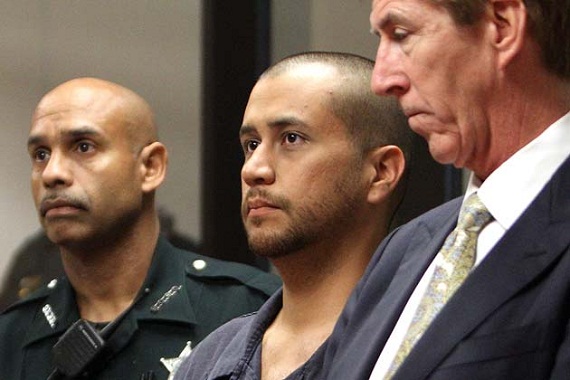
Stand Your Ground legislation became a flashpoint in American legal and cultural debate following the February 26, 2012 shooting death of Trayvon Martin, an unarmed 17-year-old killed in Florida by neighborhood watch volunteer George Zimmerman, who claimed self-defense.
However, the Martin case was just one of many. A Tampa Bay Times investigation identified nearly 200 instances since 2005 where Florida Stand Your Ground law influenced prosecutorial decisions, jury verdicts, or judicial rulings to dismiss charges. Not every case involved a fatality; some stemmed from non-lethal assaults.
Under the statute, a person has no obligation to retreat before employing deadly force in any location where they are legally present, provided they reasonably believe they or another person face imminent death or serious bodily harm. The Tampa Bay Times found that defendants invoking the law went free roughly 70 percent of the time.
Florida pioneered Stand Your Ground legislation, but at least 24 other states eventually adopted similar statutes. The following cases illustrate how these laws have been applied across the country.
Joe Horn Shooting in Texas (November 2007)
In the Houston suburbs, 61-year-old retiree Joe Horn fatally shot two men he believed were burglarizing a neighbor residence. During a recorded 911 call, Horn told the dispatcher he would not let the suspects escape and asserted his right to use force under laws that had recently changed. Two months before the incident, the Texas Legislature had removed the duty to retreat in public spaces. A Harris County grand jury declined to bring charges against Horn in July 2008.
Byron Thomas Case in Louisiana (Early 2012)
A grand jury in Louisiana cleared 21-year-old Byron Thomas after he fired into an SUV full of teenagers following a disputed marijuana transaction. One round struck and killed 15-year-old Jamonta Miles. Although the vehicle was reportedly driving away when Thomas opened fire, the Lafourche Parish Sheriff stated that Thomas could not have known whether an armed individual might exit the vehicle. Louisiana enacted its own Stand Your Ground provision just one year after Florida adopted its version.
Bo Morrison Shooting in Wisconsin (March 2012)
Twenty-year-old Bo Morrison was shot and killed by a homeowner who found the unarmed young man on his porch in the early morning hours. Morrison had allegedly been trying to avoid police responding to a noise complaint at a neighboring underage party. The local district attorney declined to charge the homeowner. Wisconsin did not have a full Stand Your Ground law extending to public spaces, but Governor Scott Walker had signed a December 2011 measure presuming that deadly force against a trespasser in a home, business, or vehicle was reasonable, regardless of whether the intruder was armed.
Daniel Adkins Jr. Killing in Arizona (April 2012)
At a Taco Bell drive-through in Arizona, 22-year-old Cordell Jude fatally shot 29-year-old Daniel Adkins Jr., a mentally disabled pedestrian who walked in front of Jude vehicle. Jude claimed Adkins appeared to be swinging a metal pipe, which turned out to be a dog leash. Adkins was struck once in the chest and died at the scene. As of May 2012, no arrest had been made. Arizona had passed its own Stand Your Ground statute in 2010.
Greyston Garcia Stabbing in Miami (January 2012)
A Miami judge dismissed a second-degree murder charge against Greyston Garcia, who had chased a suspected burglar for more than a block before fatally stabbing him. The judge determined the use of force was justified because the fleeing suspect had swung a bag of stolen car radios at Garcia. A medical examiner testified the improvised weapon could cause serious injury or death. The court found Garcia was within his legal rights to pursue the individual and demand the return of his property.
The Broader Debate
These cases revealed the wide spectrum of circumstances in which Stand Your Ground laws could shield individuals from prosecution. Critics argued the statutes created dangerous incentives to escalate confrontations, while supporters maintained they protected the fundamental right to self-defense. The disparity in outcomes across different states and fact patterns ensured the debate would continue well beyond any single case.