ACLU Investigation Reveals Widespread Warrantless Phone Tracking
ACLU affiliates across the United States submitted public records requests to local law enforcement agencies seeking information about cell phone tracking practices. The resulting data painted a disturbing picture of how extensively police departments were monitoring the locations of individuals through their wireless devices, often without obtaining a warrant.
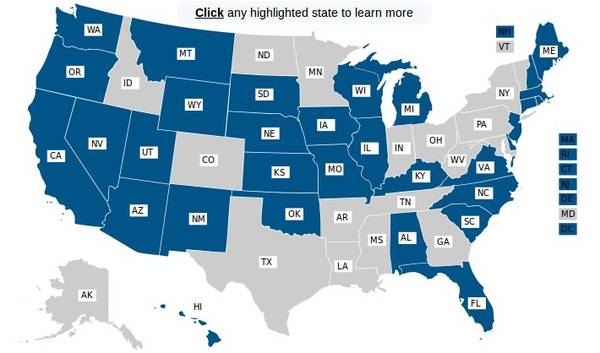
The investigation produced a nationwide map documenting which police departments had been discovered tracking cell phone locations without judicial oversight. The methods varied: some departments obtained data directly from compliant phone carriers, while others had purchased their own cell phone tracking equipment for in-house use.
The Scale of Tracking and the Patchwork of Standards
The frequency of cell phone tracking was striking. Invoice records from cellular carriers indicated that some departments, such as Raleigh, North Carolina, were tracking hundreds of phones annually. The practice had become so routine that cell phone companies maintained dedicated manuals for law enforcement, detailing what data was stored, the associated fees for police access, and the procedural requirements for obtaining it.
Legal standards applied to phone tracking varied wildly between jurisdictions. Some departments, including those in the County of Hawaii, Wichita, and Lexington, Kentucky, required officers to demonstrate probable cause and obtain a warrant before tracking a cell phone. These departments proved that protecting both public safety and constitutional privacy rights was entirely feasible.
Departments Operating Below Constitutional Standards
Other departments operated under far weaker legal thresholds. Police in Lincoln, Nebraska, obtained precise GPS location data on phones without demonstrating probable cause. Officers in Wilson County, North Carolina, accessed historical cell tracking records under a “relevant and material” standard, which fell well below the probable cause requirement that the Fourth Amendment was designed to enforce.
The ACLU findings highlighted a fundamental gap in American law: the legal framework governing when and how police could track a person through their cell phone had not kept pace with the technology, leaving individual privacy protections dependent on the policies of local departments rather than consistent constitutional standards.