Voice Identification Technology Used in European Terror Investigation
Intelligence agencies deployed biometric voiceprinting technology to identify and apprehend suspects linked to an alleged terror plot targeting multiple European countries. The British Government Communications Headquarters (GCHQ), working alongside MI6, used voice identification systems to match recorded conversations to known individuals. Several of the voice recordings were captured along the Pakistan-Afghanistan border.
The alleged plot reportedly involved targets in Britain, France, and Germany, prompting travel warnings across the region. According to reports at the time, suspects discussed plans for a Mumbai-style attack, referencing the 2008 coordinated shooting and bombing assault in India that killed 166 people. French police arrested 12 suspects in southern France in connection with the investigation.
How Voiceprinting Works
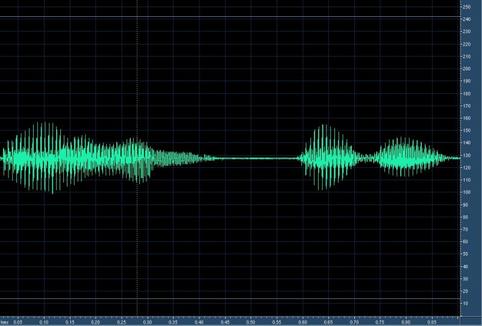
Voiceprinting technology operates by analyzing the unique frequency patterns in a person’s speech and building statistical models of their vocal characteristics. When new audio is captured, the system compares it against a database of known voice samples to identify the speaker. Proponents of the technology have argued that it can be as reliable as fingerprint identification and offers particular advantages for monitoring overseas suspects who cannot be physically observed.
However, the technology has its limitations. Critics have pointed out that a person’s voice fluctuates based on variables such as mood, health, fatigue, and environmental conditions, which can reduce accuracy. The debate over reliability has continued as agencies have expanded their use of the technology.
Previous Cases Involving Voice Identification
The European arrests were not the first time voiceprinting led to a high-profile capture. In 2007, Colombian drug lord Juan Carlos Ramirez Abadia was arrested after the US Drug Enforcement Administration matched his voice to a recording made by Colombian authorities. Ramirez Abadia had undergone extensive plastic surgery and used multiple aliases to evade detection, but his voice ultimately gave him away. The Pentagon also employed voiceprinting capabilities in Iraq during military operations.
Toward a Global Voice Database
Following the European case, law enforcement agencies began discussing the creation of broader voice databases that could help prevent future plots. An Interpol official indicated that voice samples could potentially be stored and shared among its 188 member countries, raising both security possibilities and civil liberties questions.
The expansion of biometric voice surveillance represents a significant development in counterterrorism capabilities, though it also raises concerns about the scope of government audio monitoring and the potential for misidentification in high-stakes security operations.