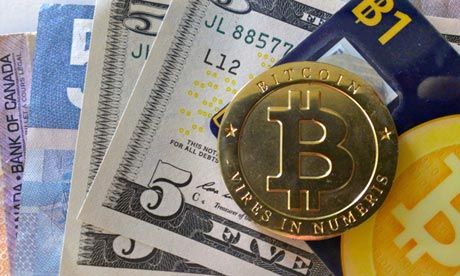
Bitcoin Breaks New Ground in April 2013
In early April 2013, the price of a single Bitcoin surged to a then-record high of nearly $147, marking a dramatic escalation in both public interest and market valuation for the decentralized cryptocurrency. While the price retreated to around $117 later that same day, the total market capitalization of all Bitcoins in circulation was approaching $1.4 billion — a figure that would have seemed inconceivable just months earlier.
The rapid ascent represented a roughly tenfold increase from January 2013, when each Bitcoin traded at approximately $13.50. As recently as the previous November, a single coin had been worth just $10.83.
The Cyprus Banking Crisis as Catalyst
The timing of Bitcoin’s price surge aligned closely with the banking crisis in Cyprus. On Friday, March 15, 2013, Cypriot banks closed their doors. Over the following days, the government announced it would require an international bailout and initially proposed tapping all savers’ deposits to fund it.
Although the proposal was later revised to affect only larger deposits with a levy of approximately 10 percent, the damage to depositor confidence had already spread beyond Cyprus. Savers in other southern European nations with fragile banking sectors reportedly began converting holdings into Bitcoin as a hedge against potential deposit seizures.
The price trajectory reflected this: Bitcoin moved from $47 on March 19 to $72 by March 23, then continued climbing through early April to its record peak.
How Bitcoin Operates Without a Central Bank
Bitcoin’s appeal during a banking crisis stemmed directly from its fundamental architecture. Unlike traditional currencies issued and controlled by central banks, Bitcoin operates on a peer-to-peer network that allows transactions to continue as long as participants are willing to exchange coins for goods, services, or other currencies.
For depositors worried that their banks might close without warning — trapping savings inside while governments decided how much to confiscate — a currency that existed outside the traditional banking system offered an alternative store of value.
At the time, a growing number of online merchants accepted Bitcoin as payment, ranging from legitimate electronics retailers to underground marketplaces.
Mining and the Built-In Scarcity Model
The surge in Bitcoin’s value also renewed interest in cryptocurrency mining — the process of using computing power to solve cryptographic challenges and earn new coins. As prices rose, the financial return on mining operations increased proportionally.
However, Bitcoin’s protocol includes a built-in scarcity mechanism. The system’s distributed algorithm ensures that approximately one Bitcoin is created every 10 minutes, regardless of how much computing power is directed at the network. Furthermore, as more coins enter circulation, the difficulty of mining new ones increases automatically. By April 2013, the growth rate in total Bitcoins had already begun slowing compared to late 2012.
The maximum possible supply was hard-coded at 21 million coins, meaning that at the April 2013 peak price, the theoretical maximum value of all Bitcoins that could ever exist was just over $3 billion.
The Hyperdeflation Concern
Even as Bitcoin enthusiasts celebrated the price surge, some economists raised concerns about a paradox inherent in rapidly appreciating currencies. Financial analysts noted that Bitcoin’s steep price climb could actually undermine its usefulness as a medium of exchange.
The logic was straightforward: if a Bitcoin purchased today might be worth significantly more tomorrow, the rational economic behavior becomes hoarding rather than spending. This phenomenon — sometimes called hyperdeflation — is the mirror image of hyperinflation, where a currency loses value so quickly that people rush to spend it before it becomes worthless.
In Bitcoin’s case, the rapid appreciation risked creating a situation where fewer people would use it for actual transactions, potentially limiting its practical utility as a currency even as its speculative value continued to climb.
A Turning Point for Cryptocurrency
The April 2013 price spike represented one of the earliest moments when Bitcoin captured mainstream media attention and forced a broader public conversation about decentralized digital currencies. The convergence of a real-world banking crisis with a technological alternative to traditional finance demonstrated both the potential appeal and inherent volatility of cryptocurrency markets.
The episode foreshadowed dynamics that would repeat in subsequent years on far larger scales, as Bitcoin and other cryptocurrencies continued their volatile trajectory through cycles of rapid appreciation, correction, and renewed speculation.