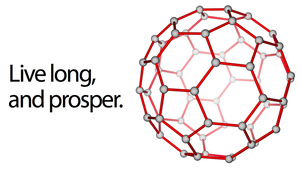
Buckminster Fullerene: From Nanotechnology Curiosity to Longevity Research
Buckminster fullerene molecules — naturally occurring spherical structures composed of 60 carbon atoms, commonly known as “bucky balls” — had long been the subject of speculation regarding potential biological benefits. In 2012, a French study originally designed to test whether these molecules were toxic when consumed orally produced results that stunned the scientific community.
The Paris Study That Nearly Doubled Rat Lifespans
Researchers at Universite Paris Sud conducted the experiment by dividing rats into three groups. One control group received a standard diet. A second group was given olive oil supplements. The third group received olive oil infused with Buckminster fullerene at a concentration of 0.8 mg/ml. The study, published in the journal Biomaterials, yielded extraordinary results.
The control group had a median lifespan of 22 months. The olive oil group survived a median of 26 months. But the group fed C60-enriched olive oil lived a median of 42 months — nearly double the lifespan of the control group.
Oxidative Stress Reduction as the Mechanism
The researchers determined that the life-extending effect was mediated by a significant reduction in oxidative stress, the cellular imbalance that is one of the primary contributors to aging. By neutralizing free radicals more effectively than conventional antioxidants, the fullerene molecules appeared to protect cells from the cumulative damage that drives age-related decline.
Promising but Preliminary Findings
While the results were remarkable, the scientific community urged caution. This was a single study with a small sample size, and the leap from rat longevity to human applications involves enormous complexity. Replication by independent labs, long-term safety assessments, and controlled human trials would all be necessary before C60 supplementation could be considered a validated anti-aging intervention. Nevertheless, the study opened an entirely new avenue of research into carbon nanostructures and their potential role in extending biological lifespan.