The Day of the Heroic Guerrilla and Its Significance for Palestine
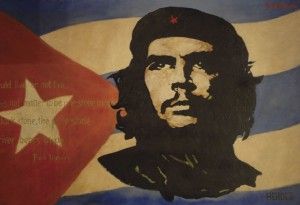
On October 8, 2012, the 45th anniversary of Ernesto “Che” Guevara’s capture and execution in Bolivia, the Popular Front for the Liberation of Palestine issued a statement commemorating the revolutionary figure and drawing connections between his legacy and the Palestinian struggle for self-determination.
Guevara, who had played a central role in the Cuban Revolution of 1959, continued pursuing armed revolutionary movements abroad after the victory in Havana. In 1966, he joined Bolivian guerrillas in their insurgency. On October 8, 1967, Guevara and his comrades were surrounded by the U.S.-backed Bolivian military, captured, and executed the following day.
Fidel Castro Establishes a Day of Remembrance
Nine days after Guevara’s death, Cuban leader Fidel Castro delivered a memorial address and designated October 8 as the Day of the Heroic Guerrilla. Castro praised Guevara as someone who gave everything for the cause of the exploited and oppressed, declaring that figures who sacrifice in this way only grow in stature with the passage of time.
The date became an annual observance across Latin American leftist movements and eventually found resonance among other groups worldwide who identified with anti-colonial and anti-imperialist struggles.
Palestinian Groups Claim Guevara’s Revolutionary Legacy
The PFLP’s 2012 statement explicitly linked Guevara’s internationalist vision to the Palestinian resistance movement. The organization invoked Mohammad al-Aswad, known as “Guevara Gaza,” and thousands of other Palestinian fighters who had died in the conflict, framing them as carrying forward the same struggle Guevara championed.
The statement drew heavily on Guevara’s own writings about imperialism and armed resistance, reflecting how his image and ideology had been adopted by Palestinian factions as a symbol of global solidarity among revolutionary movements. The convergence of Latin American revolutionary tradition and Middle Eastern liberation politics illustrated how Guevara’s legacy had transcended its original geographic and historical context to become a touchstone for armed resistance movements worldwide.