Classified TSA Report Reveals Alarming Failure Rates
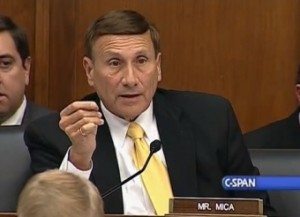
In October 2011, Congressman John L. Mica, the Florida Republican who chaired the House Transportation and Infrastructure Committee, told reporters that a forthcoming classified report on the TSA’s first decade would expose shocking security failures at American airports.
Mica described the failure rate for body scanning equipment as classified but said it would “absolutely knock your socks off.” He added that documented instances of pat-down screenings failing to detect contraband were “off the charts,” comparing the agency’s overall performance record to “the Marx Brothers.”
The report was expected to be released within weeks as part of a broader committee review of the TSA’s operations since its creation following the September 11, 2001, attacks.
Red Team Testing Results Kept Secret
The TSA had withheld results from its official security tests despite repeated Freedom of Information Act requests. The Department of Homeland Security classified the results of its most recent “red team tests” — covert operations where undercover agents attempt to smuggle contraband past airport security checkpoints.
According to Mica, the results had been classified specifically because they were “so shockingly and consistently bad” across nine years of testing.
Behavioral Detection Program Called an “Idiotic Mess”
Mica also criticized the TSA’s experimental “chat down” procedure, a behavioral detection pilot program being tested at Boston Logan Airport. He described it as an “idiotic mess” and a “poor man’s version” of Israeli interrogation security techniques.

The Government Accountability Office had already concluded that the behavioral detection approach had little scientific credibility and had cost approximately a quarter billion dollars in hiring additional TSA officers. Mica said he personally visited Logan Airport and witnessed the program’s shortcomings firsthand.
“I put my ear up and listened to some idiotic questions,” Mica said of the screening procedure. He noted that TSA officers themselves expressed confusion about the program they had been trained to implement. The program was scheduled for beta testing in Detroit before a planned nationwide rollout.
Push for Private Airport Screening
Mica repeatedly argued that private companies could perform airport screening more efficiently and at lower cost than the TSA, while still operating under federal government oversight.
In March 2011, he accused the agency of manipulating data to protect its federal workforce. “TSA cooked the books to try to eliminate the federal-private screening program,” Mica stated, referencing findings from federal auditors that showed the TSA had overstated cost differentials between federal employees and private contractors.
The 2001 Aviation Transportation Security Act, which established the TSA, included a Security Partnership Program (SPP) allowing airports to choose between federal workers and private screeners. At the time, sixteen airports used private contractors under the SPP, but the TSA had actively blocked additional airports from joining the program despite growing interest.
A Creator Turns Critic
Notably, Mica had helped create the TSA after 9/11. By 2011, he publicly stated that the agency had grown completely out of control and called for radical reform of its structure and operations.