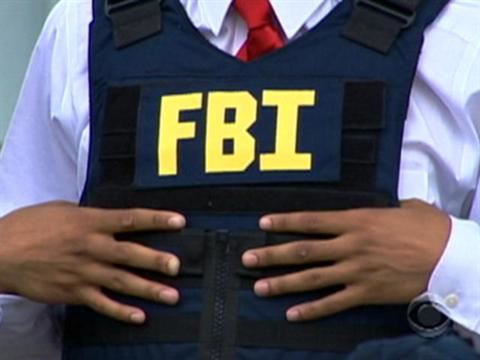
FBI Investigation of Anti-Fracking Activists
In March 2012, reporting by the Washington Post revealed that the Federal Bureau of Investigation had been investigating peaceful climate and anti-fracking activists as potential security threats. Rising Tide North Texas, part of the broader Rising Tide North America network, became the subject of an ongoing FBI investigation following anonymous complaints about the group’s activities.
The bureau contacted Rising Tide organizer Ben Kessler, a University of North Texas student and Marine veteran of the Afghanistan war, as well as UNT philosophy professor Adam Briggle. An FBI agent told Kessler that the bureau had received an anonymous complaint about his opposition to hydraulic fracturing and, while respecting free speech, was “worried about things being taken to an extreme level.”
Kessler described the experience as frightening, stating that his activities had consisted entirely of peaceful expression of his opinions. The investigation also revealed cooperation between the FBI and local police in Moscow, Idaho, related to repeated protests organized by Wild Idaho Rising Tide over tar sands heavy-haul truck shipments.
Declining Eco-Terrorism Activity Met With Continued Surveillance
The federal scrutiny of environmental activists persisted even as acts categorized as eco-terrorism were demonstrably declining. The broad definition of eco-terrorism had encompassed arson, animal liberation actions at fur farms, campaigns to financially damage animal testing companies, and protests at executives’ homes.
Michael Whelan, executive director of Fur Commission USA, estimated that attacks on mink farms had dropped from nearly 20 per year in the 1990s to fewer than two annually since 2003. FBI intelligence analyst Erin Weller confirmed the trend, stating the agency had “seen a decline in activity, in terms of violent criminal activity.”
The FBI attributed the reduction to two main factors. First, successful prosecutions of activists — particularly 15 convictions in 2007 involving Earth Liberation Front members — had a chilling effect on the broader movement. Some of those convicted received lengthy sentences, including 13 years for Stanislas Meyerhoff, and several members testified against their associates in exchange for reduced punishments. Second, the FBI assessed that activists might view a Democratic administration as more sympathetic, reducing motivation for illegal action.
New Laws Targeting Activist Methods
Despite the measurable decline in illegal activity, legislative efforts to further restrict activist methods were accelerating at the state level. In March 2012, Iowa Governor Terry Branstad signed an agriculture-industry-backed law criminalizing the use of misrepresentation to gain access to farming operations — a direct response to undercover investigations that had exposed animal cruelty. Utah passed a similar measure, colloquially known as an “ag-gag” law.
In a separate case under existing Iowa law, activist Victor VanOrden received the maximum five-year prison sentence for attempting to free minks from a fur farm. These legislative and sentencing developments demonstrated an intensifying legal framework targeting activist conduct even as the underlying threat level diminished.
The Gap Between Threat Levels and Enforcement
Observers noted a disconnect between declining radical activity and sustained or escalating enforcement attention. Will Potter, author of “Green is the New Red: An Insider’s Account of a Movement Under Siege,” argued there had been “very little change under the Obama administration” in terms of targeting environmental groups. When state-level initiatives were factored in alongside federal enforcement, he concluded, “the political climate as a whole has gotten a lot worse.”
The pattern raised questions about whether national security frameworks developed for genuine threats were being applied disproportionately to lawful dissent. The investigation of Kessler — a veteran whose activism consisted of sign-waving and advocacy around local gas drilling regulations — illustrated the concern that counterterrorism tools were being directed at constitutionally protected activities.