
The Historical Development of Weather Modification Technology
The idea of controlling weather is as old as civilization itself, but the systematic scientific pursuit of atmospheric modification began in earnest during the mid-twentieth century. What started with shamanic rituals and crude atmospheric explosions evolved into a sophisticated research program involving electromagnetic energy, atmospheric aerosols, and coordination across multiple federal agencies. The documented history of these efforts raises important questions about the current state of atmospheric modification capabilities.
Early Attempts at Rainmaking
Human attempts to influence precipitation stretch back millennia. In ancient Greece, official “hail wardens” in Cleonae were appointed at public expense to watch for hailstorms and signal farmers to offer protective sacrifices. In Austria, traditional practices included ringing “thunder bells” and blowing weather horns to ward off destructive storms.
The first federally funded weather modification experiment in the United States took place in Texas in 1891, with a $9,000 congressional appropriation through the Department of Agriculture. Robert St. George Dyrenforth attacked the atmosphere with an arsenal of balloons, kites, dynamite, mortars, smoke bombs, and fireworks. The results proved inconclusive.
Between this early effort and 1946, weather modification was dominated by itinerant “rainmakers” who traveled the American West, offering their services to drought-stricken communities. Their methods often involved mixing and releasing dangerous chemicals into the open air, and the results were rarely verifiable.
Nikola Tesla and Electromagnetic Foundations
In the late 1800s, inventor Nikola Tesla pioneered concepts that would become foundational to modern atmospheric modification research. His 1905 US patent #787,412, “Art of Transmitting Electrical Energy Through the Natural Mediums,” described methods for sending and receiving electromagnetic energy through the atmosphere. The Supreme Court later confirmed Tesla, not Marconi, invented radio.
Tesla theorized extensively about weather control and proposed that electromagnetic energy transmitted to approximately 35,000 feet altitude could illuminate the entire Earth. This altitude happens to correspond closely with the cruising altitude of modern commercial and military aircraft. His work with extremely-low frequency (ELF) electromagnetic energy established principles later applied in ionospheric heater technology.
The General Electric Breakthrough of 1946
The scientific era of weather modification began in 1946 with three researchers at General Electric Laboratories: Nobel laureate Irving Langmuir, Vincent Schaefer, and Bernard Vonnegut (brother of novelist Kurt Vonnegut). This team demonstrated that under certain conditions, dispersing specific substances from aircraft into clouds could trigger precipitation.
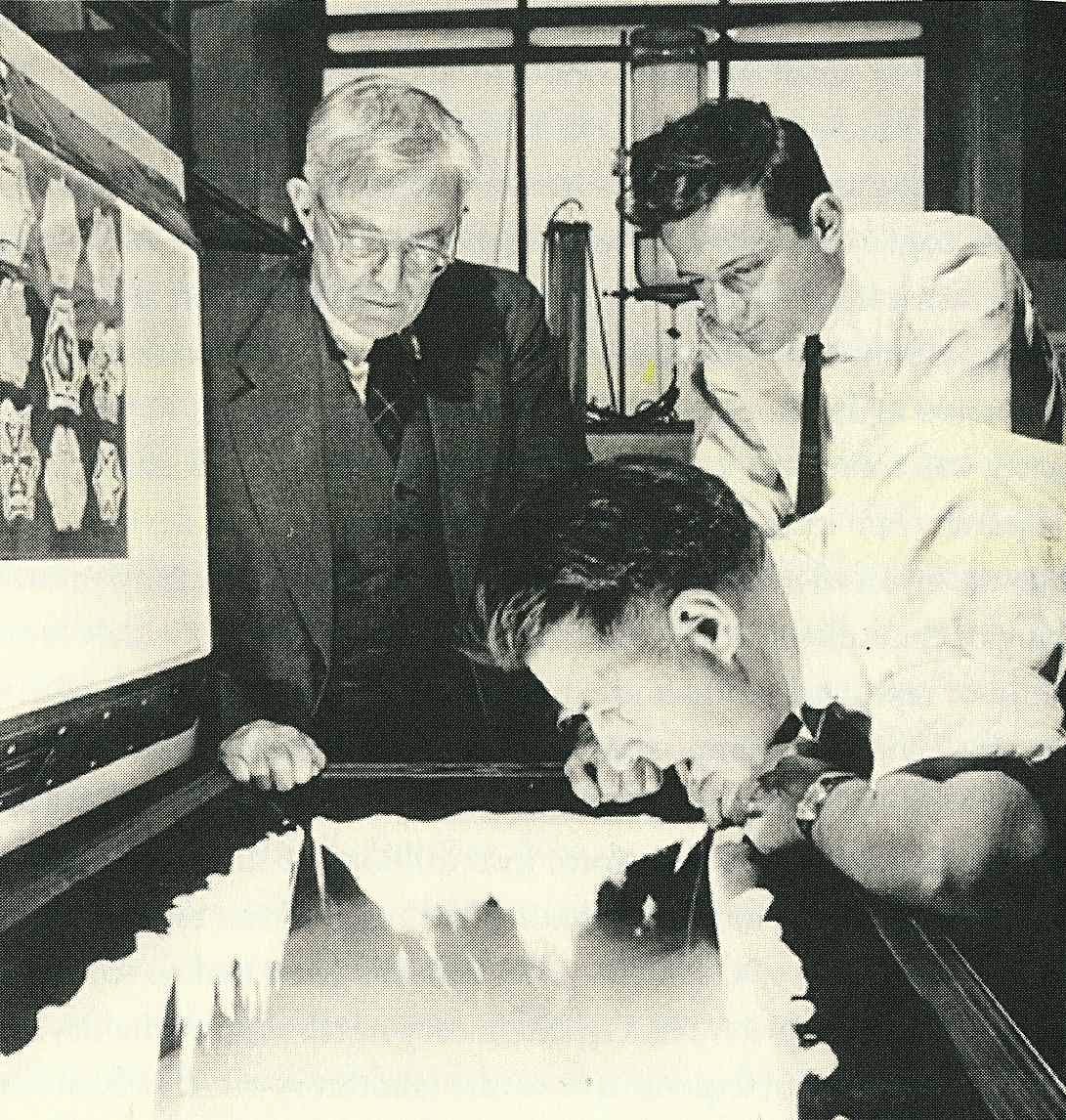
Early experiments used dry ice, while later work introduced silver iodide as a seeding agent. The GE team also developed silver iodide generation equipment and numerous atmospheric measurement instruments. Their research was conducted in cooperation with the Office of Naval Research and the Air Force, establishing a military connection to weather modification research that would persist for decades.
Bernard Vonnegut and Electrical Weather Modification
Bernard Vonnegut continued weather modification research after his time at GE, focusing on the use of artificial electrical charges and atmospheric aerosols. Working under government contracts through Arthur D. Little Inc., he conducted experiments that built upon the 1884 work of Sir Oliver Lodge and a 1918 patent by J.G. Balsillie on electrically induced precipitation.
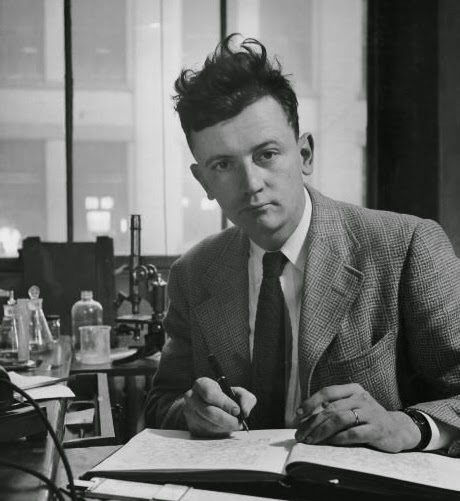
From 1953 through 1961, Vonnegut and his colleagues conducted “space charge” experiments across Massachusetts, New Hampshire, Texas, Illinois, and New Mexico. These involved miles-long stainless steel wires strung from telephone poles, connected to power supplies, and discharging corona into the atmosphere. The US Signal Corps and Coast Guard provided support.
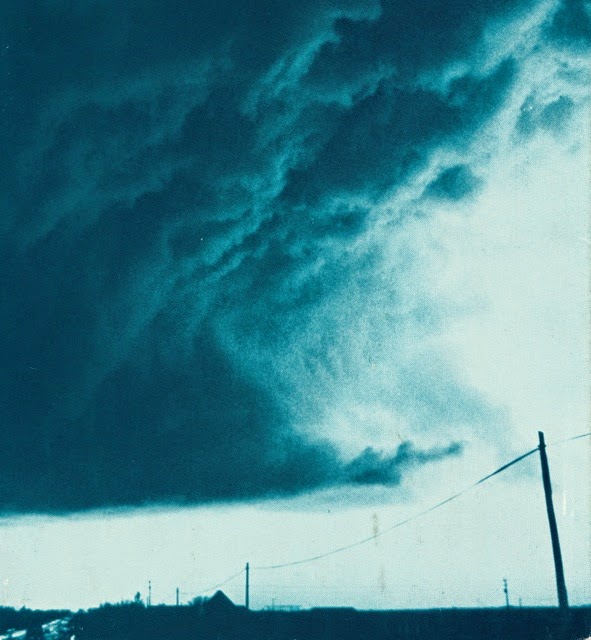
In a 1958 advisory committee report, Vonnegut, Schaefer, and colleagues outlined a vision of an atmosphere “saturated with chemicals” and the alteration of “atmospheric electrical variables.” Their paper described potential methods including “the introduction of chemicals into the atmosphere or by altering electrical variables” such as conductivity, field strength, and space charge.
Naval Research and the ATMOS Program
US Navy Admiral William Francis Raborn articulated a comprehensive vision for electromagnetic weather modification in a January 1963 paper for the Naval Institute Proceedings titled “New Horizons of Naval Research and Development.”
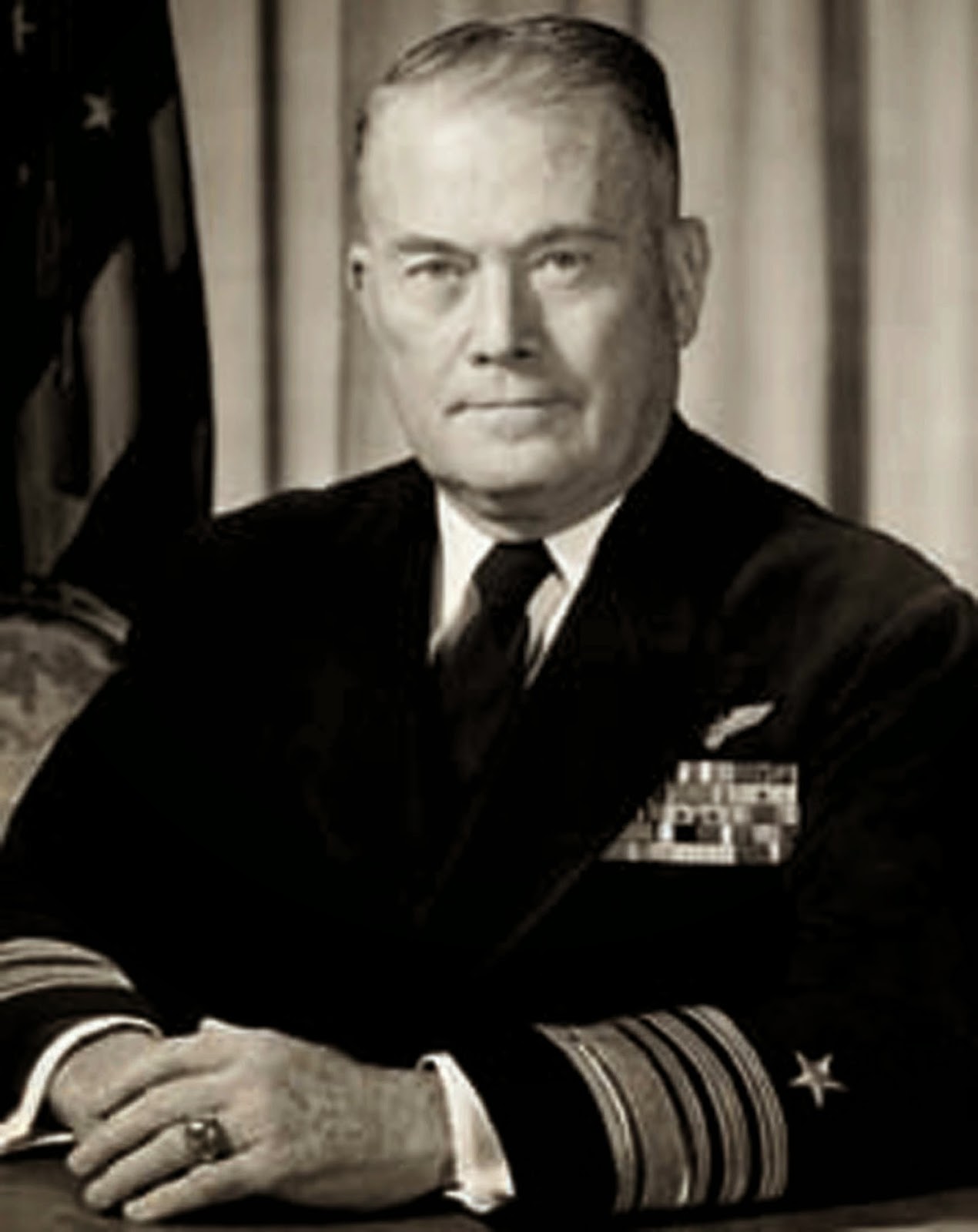
Under the heading “Environmental Warfare,” Raborn wrote that the ability to control weather “could introduce greater changes in warfare than those which occurred in 1945 with the explosion of the first nuclear weapons.” He described potential military applications including redirecting destructive storms toward enemy forces, creating cloud cover to conceal troop movements, causing extensive flooding in strategic areas, and disrupting enemy radar and communications through ionospheric manipulation.
Raborn announced a ten-year atmospheric study designated ATMOS, to be coordinated with the Navy’s TENOC oceanographic program. The Navy would later become one of the managers of the HAARP facility in Alaska, which houses the world’s most powerful ionospheric heater.
Federal Coordination and the ICAS Reports
The Interdepartmental Committee for Atmospheric Sciences (ICAS), created in 1959, coordinated weather modification research across multiple government agencies including the departments of Agriculture, Commerce, Defense, Interior, Transportation, State, the EPA, NASA, and the National Science Foundation.
Between 1960 and 1978, ICAS produced semi-annual reports documenting research into Earth’s geomagnetic energy, cloud formation, lightning, extreme weather, and both inadvertent and intentional weather modification. A 1967 National Science Foundation report described research into how aircraft-produced contrails spread into cirrus cloud layers, noting that “by intercepting solar radiation at high altitude it may be possible to influence larger scale cloud development elsewhere.”
A 1966 ICAS document titled “Present and Future Plans of Federal Agencies in Weather-Climate Modification” described planned facilities for testing modification schemes involving spray nozzles that could produce cloud-sized droplets into which “electrical charges can be introduced in either polarity” and “contaminants can be introduced.”
Patents and Laboratory Research
Several key patents document the technical foundations of atmospheric modification technology. US patent #4,686,605 (1987), “Method and Apparatus for Altering a Region in the Earth’s Atmosphere, Ionosphere and/or Magnetosphere,” describes how stratospheric and tropospheric aerosols can be manipulated using electromagnetic energy to modify weather.
US patent #5,003,186 (1991), “Stratospheric Welsbach Seeding for Reduction of Global Warming,” filed by Hughes Aircraft Corporation (later acquired by Raytheon), describes dispersing metallic particles into the upper atmosphere. The patent specifically suggests aluminum oxide as a suitable material, noting it could be “added to the fuel of jet airliners, so that the particles would be emitted from the jet engine exhaust while the airliner was at its cruising altitude.”
A 1994 Stanford Research International document, “Multiple Instrument Studies of Chemical Releases and Heating at Arecibo,” detailed experiments in which barium was released into the atmosphere over Puerto Rico and then irradiated with electromagnetic energy from an ionospheric heater, converting the barium clouds into plasma.
The Air Force 2025 Documents
In 1996, the US Air Force produced “Weather as a Force Multiplier: Owning the Weather in 2025,” part of a larger set of 39 documents called “Air Force 2025.” This document described a weather modification system combining atmospheric aerosols with electromagnetic energy.
The paper outlined scenarios involving unmanned aerial vehicles performing cloud generation and seeding operations, cirrus shields deployed to deny enemy surveillance, and microwave heaters creating localized atmospheric effects. It stated that “weather-modification will likely become a part of national security policy with both domestic and international applications” and noted that “the ability to modify the weather may be desirable both for economic and defense reasons.”
A companion document, “An Operational Analysis for Air Force 2025,” described a “weather analysis and modification system” employing both particulate seeding and microwave energy, supported by “a global network of sensors” providing real-time weather monitoring.
Lawrence Livermore and Stratospheric Aluminum
In the mid-1990s, Lawrence Livermore National Laboratory scientists Edward Teller, Lowell Wood, and Roderick Hyde published papers advocating for the dispersal of megatons of aluminum particles into the stratosphere to mitigate global warming. Their 1997 paper “Global Warming and Ice Ages” stated that “introduction of scattering-optimized alumina particles into the stratosphere may well be overall competitive with use of sulfur oxides.”
The timing of these proposals coincided with the period when widespread observations of persistent aircraft trails inconsistent with normal condensation patterns began to be reported across the United States.
The Convergence of Evidence
The documented record shows a coherent chronological progression: from Tesla’s electromagnetic transmission theories to GE’s cloud seeding breakthroughs, from Vonnegut’s electrical modification experiments to Navy electromagnetic warfare programs, from federal coordination of atmospheric research to Air Force planning documents describing integrated aerosol-electromagnetic weather modification systems.
The key patents, government reports, and military planning documents describe a consistent technical approach: dispersing particles into the atmosphere and manipulating them with electromagnetic energy to alter weather patterns. The financial incentives for such capability are substantial, encompassing weather derivatives markets, agricultural commodities, energy trading, and military applications.
Whether these documented capabilities have been deployed operationally at a planetary scale remains a matter of investigation. The existence of the technical foundations, the institutional infrastructure, the military interest, and the financial motivation is a matter of public record.