A Weapons Expert Found Dead Near Porton Down
In April 2012, the body of Dr. Richard Holmes, a 48-year-old weapons expert, was discovered in a field approximately four miles from the Porton Down defense research facility in Wiltshire, England. Holmes had gone missing two days earlier after telling his wife he was going out for a walk. His body was found in a field near Laverstock, an area frequented by dog walkers and joggers near his home in Salisbury’s Bishopsdown area.
Police stated they did not consider the death suspicious and found no evidence of third-party involvement. However, they disclosed that Holmes had recently been under significant stress. He had resigned from his position at Porton Down the previous month, though the facility declined to explain the circumstances of his departure.
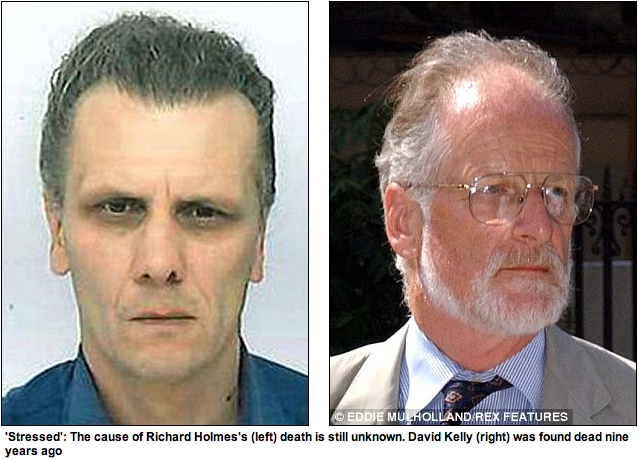
Parallels to the Death of Dr. David Kelly
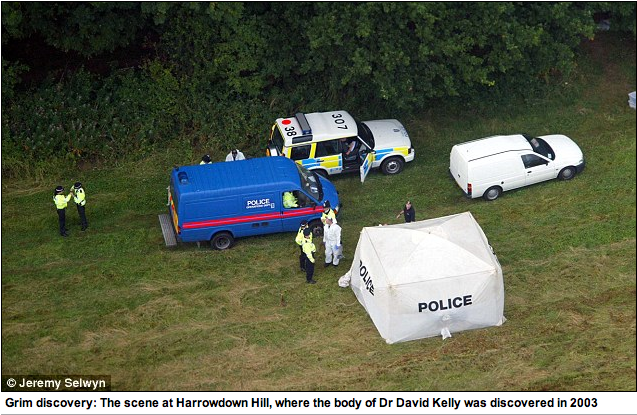
The circumstances of Holmes’s death drew immediate comparisons to the 2003 death of Dr. David Kelly, a microbiologist and weapons inspector who was also connected to Porton Down. Kelly had been identified as the source of a BBC report alleging that the British government had exaggerated evidence of Iraq’s weapons of mass destruction to build the case for war. Kelly was found dead at an Oxfordshire location after leaving his home for a walk.
Lord Hutton’s official inquiry concluded that Kelly died by suicide, but a group of medical professionals challenged the sufficiency of that investigation and called for a full inquest. Some observers maintained that Kelly’s death warranted further examination given his role in the politically charged Iraq WMD debate.
While the precise nature of the professional relationship between Holmes and Kelly remains unclear, sources indicated they were acquainted during the 1990s when both worked at Porton Down.
Holmes’s Career in Chemical Defense Research
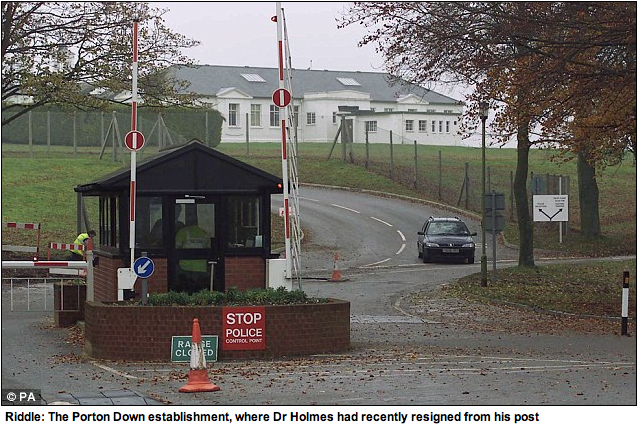
During his time at Porton Down, Holmes managed a project installing chemical protection equipment in RAF Sentinel surveillance aircraft. Following the first Gulf War, he was also involved in the development of chemical protection suits for military personnel. In 1991, he co-authored a scientific paper on RAF chemical and biological protection systems.
His wife, Susan Holmes, was also employed at Porton Down, serving as head of business administration. The facility’s spokesperson confirmed Holmes’s resignation but declined further comment, citing policy against discussing individual employees.
Questions About the Police Investigation
Before Holmes’s body was recovered, Wiltshire Police issued a public appeal for information. The appeal included a warning that Holmes may have been researching self-harm methods and toxic substances online, and advised the public not to approach him.
This disclosure drew criticism from Holmes’s family and friends, who questioned why a scientist with professional expertise in chemical warfare would need to search the internet for information about toxic substances. The detail appeared inconsistent with his professional background and raised questions about the characterization of events leading to his death.
Porton Down’s Controversial History
Porton Down has been one of the British government’s most sensitive military research sites for decades, and its history includes documented controversies. Three years before Holmes’s death, hundreds of former service members who had been used as test subjects for chemical warfare agents at the facility between 1939 and 1989 received compensation and a formal apology from the Ministry of Defence.
Some of those test subjects had been exposed to the nerve agent sarin, originally developed during World War II. Participants in the experiments later alleged they had been told they were participating in common cold remedy trials, not chemical weapons testing. Many developed serious health conditions as a result of their exposure.
An inquest into Holmes’s death was opened by Wiltshire Coroner David Ridley and subsequently adjourned. Toxicology results were expected to take several weeks to complete. The coroner’s officer stated that police maintained their position that the death was not suspicious.