Unresolved Questions Surrounding the Sandy Hook Elementary School Shooting
The December 2012 shooting at Sandy Hook Elementary School in Newtown, Connecticut became one of the most scrutinized events in recent American history. While official accounts established a clear narrative, numerous observers identified inconsistencies and unanswered questions that fueled years of public debate. The following examines the key discrepancies that independent researchers highlighted in the aftermath of the tragedy.
Eyewitness Reports of Multiple Individuals at the Scene
Among the earliest and most persistent questions was witness testimony describing more than one armed individual at or near the school. Multiple witnesses reported seeing additional suspects, and police radio transmissions captured during the response referenced individuals being pursued in the surrounding area. The official investigation ultimately attributed all of the violence to a single perpetrator, Adam Lanza, but the initial reports of multiple shooters were never thoroughly addressed in public-facing documents.
Additionally, the medical examiner’s statement that all fatalities were caused by rifle fire created a factual conflict with reports and footage showing what appeared to be a long gun being recovered from the trunk of a vehicle in the school parking lot rather than from inside the building. This discrepancy regarding the weapon’s location was never clearly reconciled.
Timeline Anomalies and Digital Footprint Questions
Several digital records raised questions about the timeline of events. A memorial Facebook page for teacher Victoria Soto was reportedly created days before the shooting occurred, though it was subsequently taken down. Similarly, a fundraising website for one of the young victims appeared to have been designed, developed, and launched within an unusually short timeframe following the event.
Adam Lanza’s computer hard drive was found to have been physically destroyed prior to the shooting, eliminating what would have been a primary source of investigative evidence regarding his planning, communications, and potential connections to others. Investigators stated they were unable to recover data from the damaged drive, leaving a significant gap in the evidentiary record.
Questions About Crisis Response and Media Behavior
The behavior of certain individuals in media appearances drew widespread scrutiny. One parent was observed smiling and appearing relaxed moments before stepping to a podium and delivering an emotional statement, a transition that struck many viewers as inconsistent with genuine grief. Another anomaly involved a school official who was reported among the fatalities but subsequently appeared in what was described as a post-incident interview.
Ryan Lanza’s identification being found on his brother Adam’s person during the shooting added confusion to the early hours of reporting, initially leading media outlets to identify the wrong individual as the perpetrator. The circumstances under which one brother possessed the other’s identification were not fully explained.
Policy Response and Suppression of Independent Investigation
The political response to the shooting was swift and sweeping. Legislative proposals to restrict firearms were introduced at both the federal and state level within days of the event, with the President announcing a dedicated task force. The speed of the policy response led some observers to question whether legislative frameworks had been prepared in advance.
Connecticut law enforcement took an unusually aggressive posture toward independent journalists and researchers examining the case. A state police spokesman publicly threatened prosecution of individuals who published information contradicting the official account, a stance that alarmed press freedom advocates and intensified suspicion among those already questioning the narrative.
Social media platforms also took action against users who shared alternative analyses of the event, with accounts being suspended or removed for posting content that challenged official statements. This pattern of suppression extended across multiple platforms and was documented by digital rights organizations.
The Broader Context of School Shootings and Government Policy
The Sandy Hook shooting occurred within a broader historical pattern that some researchers had identified years earlier. William Cooper, a former Naval Intelligence officer and author, published observations in his 1991 book that described a strategy of using traumatic public events to build support for firearms restrictions. Cooper, who served in the Strategic Air Command and held security clearances during his military career, wrote that such events would be leveraged to encourage the public to voluntarily support the erosion of Second Amendment protections.
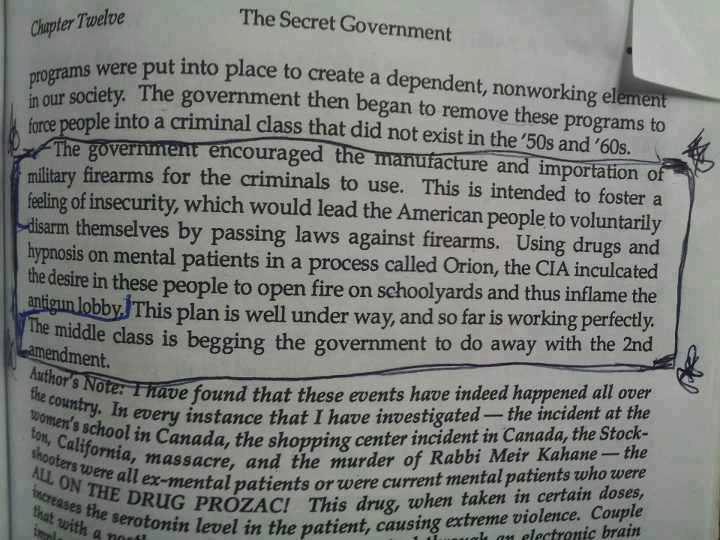
Cooper’s military background included service aboard submarines, combat duty in Vietnam where he earned valor decorations, and positions within Naval Security and Intelligence. His claims about institutional manipulation of public events were dismissed by mainstream analysts during his lifetime but gained renewed attention following each subsequent mass shooting that was immediately followed by legislative proposals targeting civilian firearms ownership.
The Importance of Transparent Investigation in High-Profile Events
Regardless of where one stands on the specific claims surrounding Sandy Hook, the event highlighted a fundamental tension in American public life. When official investigations produce accounts that contain unexplained contradictions, when key evidence is destroyed or sealed, and when independent inquiry is met with threats of prosecution rather than transparent engagement, public trust inevitably erodes.
The questions raised by independent researchers deserved thorough, public answers rather than dismissal or suppression. A society that values both security and civil liberties must be willing to subject its most consequential events to rigorous scrutiny, especially when those events are used as justification for significant policy changes affecting constitutional rights. No footage from the school’s security system was ever released to the public, a decision that, whatever its justification, ensured that the official account could never be independently verified through the most direct evidence available.