Secret Service Relocated Student Protesters Away From Biden Event
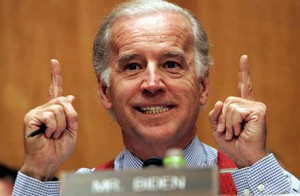
During a 2012 visit by Vice President Joe Biden to Wright State University in Ohio, Secret Service agents directed a group of protesting students to move away from the event area not once but twice, ultimately relocating them to a designated area approximately a quarter mile from where Biden was scheduled to speak. The students, who were demonstrating in support of Republican presidential candidate Mitt Romney, complied with each request.
The Use of Free Speech Zones on College Campuses
The incident highlighted the growing use of so-called free speech zones, designated areas where protesters are permitted to gather, often positioned far enough from a political event that they have minimal visibility or impact. In this case, the students were first asked to move from their initial location and then directed to the middle of a field, effectively isolating them from the audience and media covering Biden’s appearance.
A Secret Service spokesperson stated that the agency respects the right to freedom of speech but also has an obligation to maintain safe and secure environments for the officials under its protection. Critics of free speech zones argue that the practice effectively suppresses political expression by confining it to areas where it cannot be seen or heard by its intended audience.
A Pattern of Protest Restrictions Near Political Figures
The Wright State incident was not isolated. Earlier that same summer, the Secret Service shut down a student-organized protest outside the White House calling for the removal of Attorney General Eric Holder. Agents cited the discovery of a suspicious package just as the demonstration was beginning, a justification that participants questioned as coincidental in its timing.
These incidents fueled ongoing debate about the balance between security requirements for political officials and the constitutional right to peaceful assembly and protest. First Amendment advocates argued that pushing demonstrators to distant, out-of-sight locations effectively neutralizes their ability to exercise their rights in a meaningful way, while security officials maintained that proximity restrictions are necessary for public safety.