The Hidden Cost of Double-Tap Drone Strikes
A landmark joint study by Stanford and New York University researchers found that U.S. drone strikes in Pakistan were killing approximately 49 civilians for every known militant targeted. The nine-month investigation, based on more than 130 interviews, presented one of the most comprehensive academic examinations of Washington’s drone warfare program and its consequences for civilian populations.
The study placed particular scrutiny on a tactic known as the “double-tap” strike, in which a drone fires an initial missile at a target, then launches a second strike minutes later as first responders and rescuers arrive at the scene. This practice had become so common that aid organizations reported waiting up to six hours before approaching strike sites, and ordinary civilians in affected areas often refused to help the wounded for fear of a follow-up attack.
Psychological Toll on Tribal Communities
Beyond the direct casualties, researchers documented severe psychological damage to populations living under constant drone surveillance. Communities in Pakistan’s tribal areas near the Afghan border reported being terrorized around the clock by the persistent presence of armed drones overhead.
The effects extended into daily life in measurable ways. Many parents pulled their children out of school out of fear that gatherings of people might be targeted. Local economies suffered as people avoided markets and public spaces. Stress-related illnesses became widespread throughout the affected regions.
Clive Stafford Smith, director of the charity Reprieve, which assisted with interviews for the report, described the situation as going far beyond individual casualties: an entire region was being terrorized by the constant threat of death from the sky.
Challenging the “Surgical Strike” Narrative
The findings directly contradicted official characterizations of the drone program as precise and surgical. Despite U.S. government assurances that strikes targeted specific militants with minimal collateral damage, the Stanford-NYU research found that barely two percent of drone strike victims were confirmed militants. The remaining casualties were civilians, including women and children.
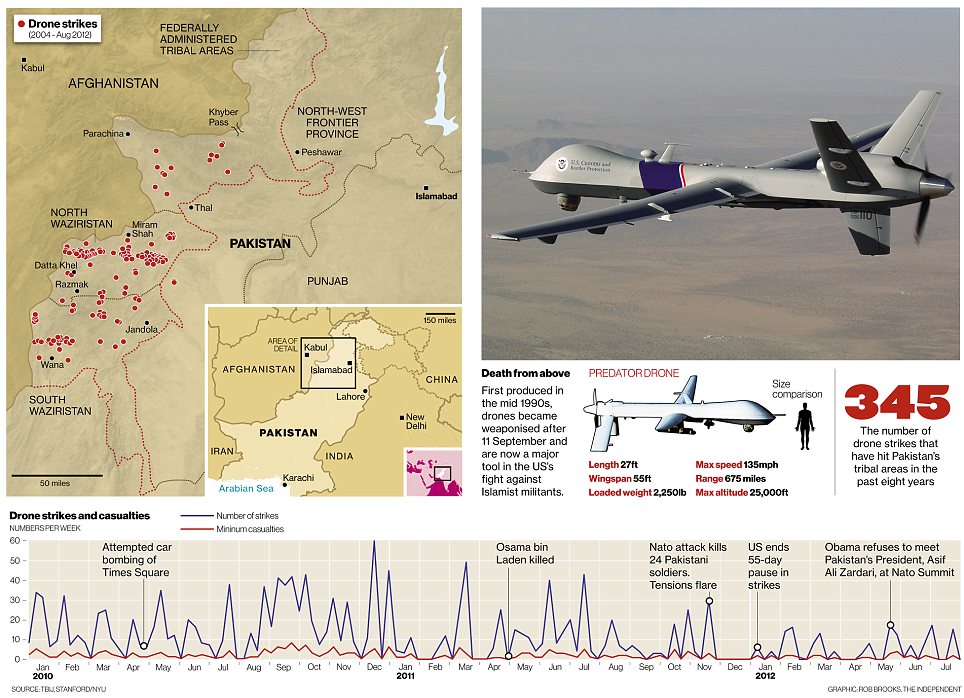
At least 345 strikes had been conducted in Pakistan’s tribal areas over the preceding eight years. Pakistani lawyer Mirza Shahzad Akbar, who represented drone strike victims, noted that double-tap attacks had shifted from being occasional occurrences to happening in nearly every other strike.
Policy Implications and International Precedent
The researchers called on Washington to fundamentally reassess its drone strike program, warning that the operations risked alienating the very populations the U.S. hoped to win over in its counterterrorism efforts. The study also raised concerns about the international precedent being set for extrajudicial killings at a time when numerous countries were developing their own unmanned weapons capabilities.
The Obama administration defended the program as vital to combating militants who used Pakistan’s tribal regions as safe havens. However, relations between the U.S. and Pakistan had grown increasingly strained, particularly after a 2011 NATO strike killed 24 Pakistani soldiers. Pakistan demanded either an end to the strikes or direct control of the drone operations — a demand Washington refused.
The researchers expressed hope that their findings might shift American public opinion where Pakistani advocacy had not. As Akbar put it, American audiences might be more willing to listen to their own academics than to a Pakistani lawyer arguing that the strikes were wrong.