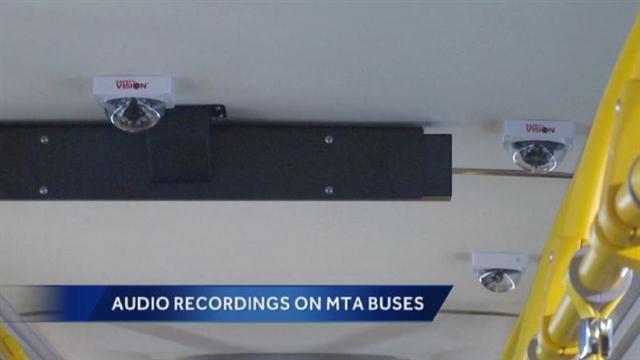
Transit authorities across the United States have been quietly equipping public buses with microphone-enabled surveillance systems capable of recording passenger conversations. Documents obtained by journalists revealed that cities including San Francisco, Baltimore, Eugene, and others had either installed these systems or were actively procuring them, in some cases with direct funding from the Department of Homeland Security.
How the Audio Surveillance Systems Work
The technology in question, including products like the RoadRecorder 7000 manufactured by SafetyVision, pairs high-definition IP cameras with audio recording equipment. Four to six cameras with integrated microphones are typically installed throughout each bus, including one near the driver and another on the vehicle’s exterior. Audio and video are recorded synchronously and stored in onboard devices for approximately 30 days.
These systems can be accessed remotely through a built-in web server or 3G modem, allowing authorized personnel to monitor feeds in real time, track vehicle locations via GPS, create custom alerts, and download recorded events from a central management platform.
Scale and Funding
San Francisco’s transit authority approved a $5.9 million contract to install audio surveillance across 357 buses and vintage trolley cars, funded entirely by a DHS grant. The contract included an option to expand coverage to an additional 600 vehicles. Concord, New Hampshire used a portion of a $1.2 million economic stimulus grant to outfit its buses with similar video and audio monitoring equipment.
Other cities that had taken steps toward implementation included Eugene, Oregon; Traverse City, Michigan; Columbus, Ohio; Hartford, Connecticut; and Athens, Georgia.
Privacy and Legal Concerns
The deployment of audio recording on public transit raised pointed questions about warrantless eavesdropping and constitutional protections against unreasonable search and seizure. Privacy expert Ashkan Soltani warned that recorded audio could be combined with facial recognition or voice identification technology to track and identify individual passengers.
In Eugene, transit officials specifically sought microphones capable of isolating clear conversations from background noise produced by other voices, wind, traffic, windshield wipers, and engines. They also requested at least five audio channels per bus, each paired with camera footage for synchronized playback.
Legal Pushback in Baltimore
Baltimore’s experience illustrated the tension between surveillance expansion and civil liberties. In 2009, transit officials in the city temporarily shelved plans to install bus microphones after civil liberties organizations argued the systems would violate wiretapping laws. The city then consulted the state attorney general, who advised that posting warning signs about the surveillance could help defend against legal challenges. Armed with that guidance, Baltimore moved forward and announced the installation of audio recording equipment on 10 buses, with plans to expand to at least 340 more.
The Broader Implications
The quiet rollout of audio surveillance on public transportation reflected a broader pattern of expanding monitoring infrastructure in public spaces. The combination of remote access capabilities, GPS tracking, and audio-video recording created a comprehensive surveillance tool that extended well beyond simple security cameras, raising fundamental questions about the expectation of privacy in public spaces funded by taxpayer dollars.