Deadly Attack on Yemen’s Military Headquarters
In December 2013, a coordinated assault on Yemen’s Ministry of Defense compound in Sanaa killed more than 50 people, including foreign medical workers. Al-Qaeda in the Arabian Peninsula (AQAP) claimed responsibility for the attack, stating it was retaliation for U.S. drone strikes that had killed dozens of the group’s leaders in the country. The assault was the deadliest in the Yemeni capital since May 2012.
A preliminary investigation led by Yemen’s Chief of Staff, General Ahmed al-Ashwal, described a two-phase operation. Twelve heavily armed militants wearing military uniforms first detonated a vehicle packed with 500 kilograms of explosives near an entrance gate of the military hospital. Teams of attackers then swept through the hospital and an adjacent laboratory, firing on soldiers, medical staff, and patients.
Targeting of Foreign Workers
Wounded soldiers reported that the attackers systematically separated foreign nationals from Yemeni staff before executing them. The confirmed foreign casualties included two German aid workers, two Vietnamese doctors, an Indian nurse, and Filipino medical personnel. The Philippines’ Department of Foreign Affairs reported that seven of its citizens were killed and eleven wounded, out of approximately 40 Filipino workers employed at the hospital. Some survivors reportedly escaped by pretending to be dead. The final death toll reached 56, with over 200 wounded.
The American Presence in Yemen
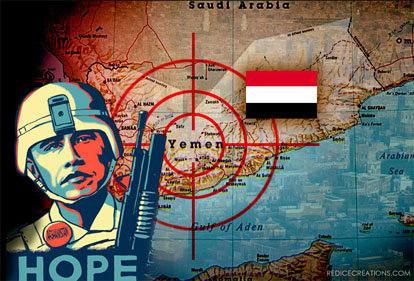
The attack exposed the extent of U.S. involvement in Yemen’s internal security operations. American forces had been training and equipping Yemeni special forces units while sharing intelligence with the central government. Military officials indicated that American security agents assisted with the investigation into the attack, though this could not be officially confirmed, as all sources spoke on condition of anonymity.
The United States considered AQAP to be the most operationally active al-Qaeda branch in the world and had been escalating drone strikes against militant targets across the country. This combination of drone warfare, special forces training programs, and intelligence cooperation represented a significant but largely undisclosed military footprint in the impoverished Arab nation.
Saudi Involvement and the Aftermath
The investigative committee’s report identified Saudi nationals among the twelve militants killed during the assault. Yemeni commandos and security forces contained the attackers before they could reach the ministry’s main building, neutralizing all assailants by 4:30 PM. A subsequent manhunt across Sanaa resulted in additional gun battles that killed five suspected militants and one Yemeni commando.
The incident highlighted the complex security dynamics in Yemen, where a U.S.-backed government faced persistent attacks from a well-organized militant network, while American military and intelligence assets operated in an advisory and operational capacity that received limited public acknowledgment.