A BBC Documentary That Challenged the War on Terror Narrative
“The Power of Nightmares: The Rise of the Politics of Fear” is a three-part BBC documentary series that first aired in late 2004 and was rebroadcast in January 2005. Directed by Adam Curtis, the series presented a provocative thesis: that the threat of a vast, organized international terrorist network was largely a manufactured illusion, and that politicians had exploited this phantom menace to restore their own power and authority in an era of public disillusionment with politics.
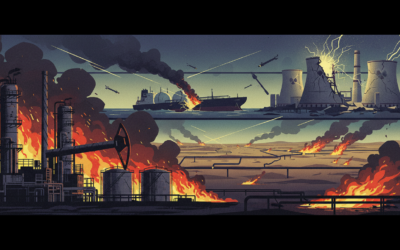
The documentary argued that where politicians once offered visions of a better future to win public support, they had shifted to promising protection from nightmares. The most potent of these was the specter of global terrorism, a narrative that Curtis contended had spread largely unquestioned through political institutions, intelligence agencies, and international media.
Two Ideological Movements With Parallel Origins
At the center of the documentary were two groups: American neoconservatives and radical Islamists. Curtis traced both movements back to a shared origin point in 1949, arguing that each arose from disillusionment with the liberal democratic project and its promise to build a better world. Both believed that modern liberal freedoms were eroding the social bonds holding their respective societies together, and both set out to rescue their civilizations from what they perceived as moral and cultural decay.
The series identified two key intellectual figures whose ideas would eventually shape both the September 11 attacks and the neoconservative foreign policy agenda that dominated Washington in the early 2000s. Though their visions were radically different, Curtis argued that the movements they inspired ultimately reinforced each other.
Fear as a Political Tool
According to the documentary, the neoconservatives turned to fear as a governing strategy when they found that positive political visions no longer resonated with a skeptical public. During the Cold War, Curtis argued, they constructed the image of a hidden Soviet-controlled network of evil that only they could perceive and combat. After the Soviet Union collapsed, this framework was transferred onto radical Islamist groups, inflating their organizational capacity and reach beyond what the evidence supported.
On the other side, radical Islamists who failed to attract mass popular support for their vision increasingly turned to violence as a means of forcing societies to confront what they considered fundamental truths about moral corruption.
The Three Parts
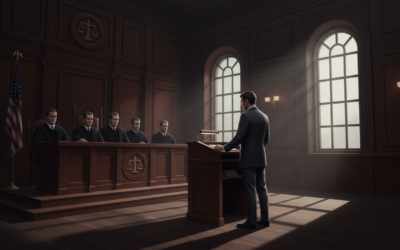
The series was structured as three episodes. “Baby It’s Cold Outside” traced the intellectual origins of both movements. “The Phantom Victory” examined how the Afghan war against the Soviets was mythologized by both neoconservatives and Islamists. “The Shadows in the Cave” explored how the post-9/11 terror threat was constructed and maintained. The final episode was updated following the December 2004 ruling by the Law Lords that detaining foreign terrorist suspects without trial was illegal.
Legacy and Continued Relevance
“The Power of Nightmares” remains one of the most widely discussed documentary examinations of how fear has been used as a political instrument in the modern era. Its central argument — that those who cultivated the darkest fears became the most powerful — continues to resonate in ongoing debates about surveillance, civil liberties, and the relationship between perceived security threats and the expansion of state power.