The Ecuadorean Embassy Standoff: More Than Just Assange?
In August 2012, as Julian Assange remained inside the Ecuadorean Embassy in London seeking asylum, investigative journalist Peter Eyre raised questions about whether another figure seeking refuge there was of equal or greater concern to British authorities. That figure was Andrea Davison, a former arms investigator with ties to the UK’s Defence Trade Initiative (DTI) Select Committee and alleged connections to British intelligence services.

Andrea Davison’s Alleged Evidence
According to Eyre, Davison possessed evidence related to British arms sales and weapons of mass destruction that were reportedly moved from South Africa to Oman before being diverted. This evidence allegedly implicated senior British government figures, including former Prime Ministers Tony Blair and Gordon Brown, in activities that extended well beyond official government policy.
Davison’s background reportedly included working as an “Arms to Iraq” investigator for the DTI Select Committee and potentially serving in roles connected to MI5 or MI6. Eyre drew a direct parallel between Davison and Dr. David Kelly, the British weapons expert and biological warfare specialist who died under disputed circumstances in July 2003.
The Dr. David Kelly Connection
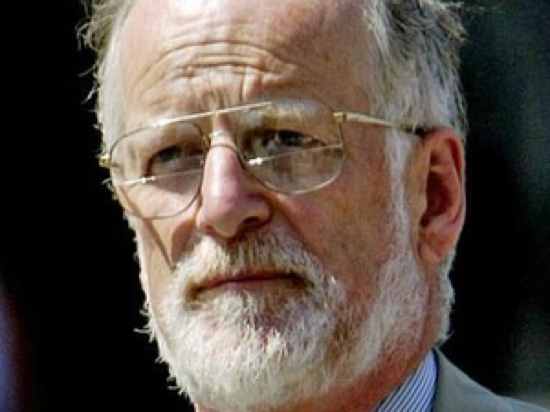
Both Kelly and Davison shared expertise in biological weapons and involvement in tracking arms flows to Iraq. Kelly’s death was officially ruled a suicide, though numerous investigators and at least one Member of Parliament who spent a year examining the case publicly questioned that conclusion. If Davison held evidence comparable to what Kelly knew, Eyre argued, her testimony in an open legal proceeding could prove significant for public accountability.
Questions About Assange’s Role
Eyre was among several commentators who questioned the nature of Assange’s WikiLeaks disclosures during this period. Some analysts argued that the WikiLeaks releases, while generating enormous media attention, were less consequential than they appeared, and raised questions about potential intelligence connections. These claims remained unverified and disputed, but they contributed to a broader debate about the boundaries between whistleblowing, journalism, and intelligence operations.
The City of London and Global Power Structures
Eyre’s broader investigative work examined what he described as financial and political networks centered in the City of London, which he characterized as exerting influence over international affairs through institutions and committees that operated largely outside public scrutiny. This line of inquiry intersected with other independent researchers who claimed to have witnessed closed-door meetings where geopolitical decisions affecting multiple nations were discussed by private financial interests. The full scope of these allegations remained a subject of ongoing investigation and debate among researchers in this field.