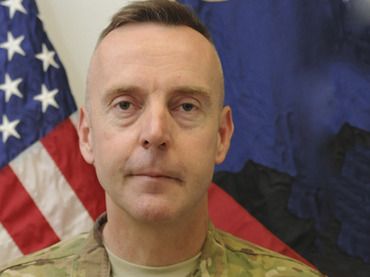
Army Prosecutors Unveil Case Against One-Star General
In November 2012, Army prosecutors at Fort Bragg, North Carolina opened an Article 32 hearing against Brigadier General Jeffrey A. Sinclair, a 27-year veteran of the United States military. The 50-year-old officer faced a series of sexual misconduct charges involving five women — four military subordinates and one civilian.
The hearing was the first time the public gained insight into the allegations, which had been under Army investigation for months before formal charges were filed in late September 2012.
Accusations Spanning Multiple Military Installations
Prosecutors presented testimony describing misconduct that allegedly occurred across several locations, including Fort Bragg, military bases in Germany, Iraq, and Afghanistan. The four military accusers held ranks of captain and above — two captains, a major, and a lieutenant.
Court testimony described encounters in a parking lot, in the general’s office in Afghanistan with the door open, on an exposed hotel balcony, and aboard an airplane, where Sinclair allegedly groped a woman. Prosecutors also alleged that Sinclair pressured women under his command to send him sexually explicit photographs and videos, and that he routinely made disparaging remarks about women.
When confronted about those remarks, Sinclair reportedly responded that as a general, he could do whatever he wanted.
Potential Court-Martial and Serious Charges
The charges Sinclair faced were severe by military justice standards. They included forcible sodomy, wrongful sexual conduct, violation of orders, engaging in inappropriate relationships, misuse of a government travel charge card, and possession of pornography and alcohol while deployed in a combat zone.
Former Air Force attorney Colonel Morris Davis publicly stated that the case carried an unmistakable odor of wrongdoing, signaling the severity with which outside legal observers viewed the allegations.
Defense Claims of Violated Rights
Sinclair’s defense attorney, Lieutenant Colonel Jackie Thompson, challenged the prosecution’s methods during the hearing. Thompson argued that Army investigators had improperly accessed personal emails between Sinclair and his wife regarding the pending charges — communications that should have been protected under attorney-client privilege.
Prosecutors had reportedly obtained access to more than 16,000 emails from both military and personal accounts belonging to Sinclair. Thompson requested that the court appoint an entirely new prosecutorial team, arguing the privacy violations had tainted the case.
Legal Experts Weigh Expected Outcome
Eugene R. Fidell of Yale Law School suggested at the time that the most likely resolution would be a reduction in rank and forced retirement rather than incarceration. According to Fidell, it was uncommon for high-ranking officers to face jail time; instead, the military system tended to remove them from service through administrative and political channels.
The Associated Press had previously attempted to obtain charging documents through a Freedom of Information Act request, but was denied by the Army’s Criminal Law Division. Officials cited concerns that releasing the documents could interfere with proceedings and compromise Sinclair’s right to a fair trial.