The Debate Over Bilderberg Coverage
In June 2008, journalist Jack Shafer published an article in Slate arguing that claims of a media blackout surrounding the Bilderberg Group’s annual meetings were overblown. Shafer contended that mainstream outlets did cover the group’s gatherings to some extent. The piece drew a sharp rebuttal from Kurt Nimmo, then writing for Infowars, who argued that Shafer’s analysis missed the fundamental point: the issue was never whether Bilderberg’s existence was reported, but rather that the substance of what was discussed at these gatherings was almost never disclosed to the public.
The exchange between the two journalists illuminated a deeper tension about how power operates behind closed doors and how media institutions navigate their relationships with the very elites they are supposed to cover.
The Corporate Media Conflict of Interest
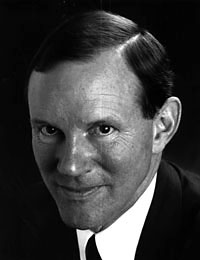
Nimmo pointed out what he saw as a glaring conflict of interest: Slate was a subsidiary of the Washington Post Company, whose CEO Donald E. Graham appeared on the Bilderberg participation list that very year. A Microsoft representative, from the company that originally created Slate, also attended. This raised an obvious question about whether media outlets with direct ties to Bilderberg attendees could credibly assess the significance of those meetings.
The 2008 Bilderberg conference in Chantilly, Virginia drew heightened scrutiny, in part because the group took the unprecedented step of releasing both a press statement and a participant list. Critics interpreted this as a defensive maneuver in response to growing public attention, rather than a genuine embrace of transparency.
What Happens at Bilderberg
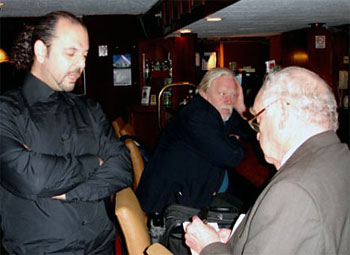
The annual Bilderberg meetings bring together heads of state, members of royal families, finance ministers, central bank governors, Wall Street executives, international bankers, media executives, and CEOs of multinational corporations. The gatherings operate under the Chatham House Rule, meaning participants may use information from the discussions but may not reveal who said what.
Adam Smith’s observation that “people of the same trade seldom meet together, even for merriment and diversion, but the conversation ends in a conspiracy against the public” has been frequently cited by Bilderberg critics. The group’s own former members have been remarkably candid about its influence. Denis Healey, a Bilderberg founder and former British Chancellor of the Exchequer, acknowledged that the group sought to “reach a consensus on the big issues.” He also stated: “World events do not occur by accident. They are made to happen, whether it is to do with national issues or commerce.”
David Rockefeller, a longtime member of the Bilderberg steering committee, wrote in his memoir that if the charge of working toward “a more integrated global political and economic structure” was the accusation, “I stand guilty and I am proud of it.”
The Logan Act Question
A recurring legal argument raised by Bilderberg critics concerns the Logan Act, a US federal law that prohibits unauthorized citizens from negotiating with foreign governments on disputes or policy matters involving the United States. The statute carries penalties of up to three years imprisonment.
The 2008 attendee list included Federal Reserve Chairman Ben Bernanke and Secretary of State Condoleezza Rice, alongside dozens of foreign heads of state and government ministers. Critics argued that private discussions between American officials, private citizens, and foreign government leaders about matters of international policy represented potential Logan Act violations, regardless of the informal framing of the meetings.
No Logan Act prosecution has ever been successfully brought in the statute’s history, but the legal argument served to highlight the unusual nature of the gatherings: private meetings between public officials and private power brokers, held outside any democratic accountability framework.
The Origins and Philosophy of the Group
The Bilderberg Group was founded in 1954 by Prince Bernhard of The Netherlands. Bernhard had been a member of the Nazi Party before the war, a biographical detail that critics frequently cited when questioning the group’s democratic credentials. His daughter, Queen Beatrix, continued the family’s involvement in subsequent decades.
Author Daniel Estulin’s book The True Story of the Bilderberg Group, which became an international bestseller and was named Non-Fiction Book of the Year in Canada, documented the group’s membership and argued that its agenda centered on advancing supranational governance structures that would supersede the sovereignty of individual nations.
British economist Will Hutton described Bilderberg as “the backdrop against which policy is made worldwide,” with decisions later implemented through G-8 summits, International Monetary Fund deliberations, and World Bank policies.
The Silence and Its Implications
The 2008 Shafer-Nimmo exchange highlighted a pattern that persisted for decades: mainstream media coverage of Bilderberg tended to either dismiss concerns about the group as conspiracy theory or treat the meetings as unremarkable social gatherings. The structural reasons for this were not difficult to identify. Media executives regularly appeared on attendee lists, and the outlets they controlled had little institutional incentive to investigate the substance of what was being discussed.
Asia Times journalist Pepe Escobar summarized the dynamic succinctly: “Whenever corporate media approaches Bilderberg, it mirrors the silence of the lambs.” Whether that silence reflected editorial judgment, institutional conflict of interest, or something more deliberate remained a matter of ongoing debate.