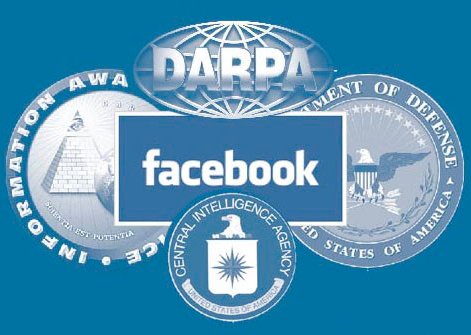
In the case of both Google and Facebook, three talented students in their 20’s came out of obscurity to establish multi-billion dollar enterprises. Do you suppose they had some help?
BY SANDEEP PARWAGA
(FOR HENRYMAKOW.COM)
There used to be a saying: ”No one makes a name for himself without giving something up”
As a youngster, I was awed by people who ”made it to the top” by creating and innovating corporations, technologies, or simply establishing themselves through sports, music, entertainment, etc. thus becoming millionaires.
Now as I have grown older, I realize how illusory this paradigm really is. I came to the conclusion that if you want to reach the ”top’,’ you have to give up your soul.
Take Mark Zuckerberg for example. He is one of the most ”successful entrepreneurs” in the last decade. Having made a fortune through his Facebook empire, he reaches more than 500 million people worldwide. It seems like a fairytale. A student creates a new interface to connect the people throughout the world. Well, it sounds great doesn’t it? It would, if we were true.
Conspiracy: an unlawful or surreptitious plan formulated in secret by two or more persons; plot. In other words, Rich and Powerful men have special clubs too.
That’s been the key question asked of Wall Street’s biggest banks since the September 2008 collapse of Lehman Brothers, which sent shock waves through the global financial system and led to the worst recession this country has seen since the Great Depression.
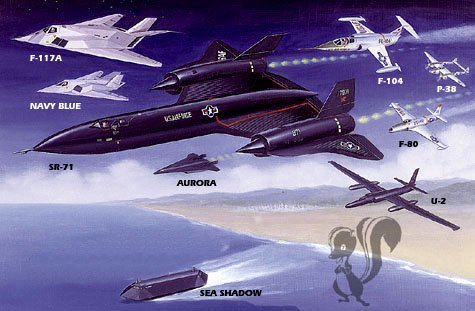
But, there is another firm far from the circles of Wall Street for which that same question should be asked, says William Hartung, author of the new book Prophets of War. The subtitle of his book says it all: Lockheed Martin and the Making of the Military-Industrial Complex.
With $40 billion in annual revenue, Lockheed Martin is the single largest recipient of U.S. tax dollars. The company receives about $36 billion in government contracts per year. In 2008, $29 billion of that was for U.S. military contracts – a dollar figure 25% higher than its competitors Boeing Co. and Northrop Grumman.
The U.S. media landscape is dominated by massive corporations that, through a history of mergers and acquisitions, have concentrated their control over what we see, hear and read. In many cases, these giant companies are vertically integrated, controlling everything from initial production to final distribution. In the interactive charts below we reveal who owns what.
Click here to learn more about our campaign to stop big media and to support local ownership, diverse voices, and truly competitive media markets that serve the public interest.
2011 revenues: $55 billion
In 2011, the Federal Communications Commission approved Comcast’s takeover of a majority share of NBCUniversal from General Electric. This merger combines the nation’s largest cable company and residential Internet service provider and one of the world’s biggest producers of TV shows and motion pictures. Comcast’s media holdings now reach almost every home in America. It serves customers in 39 states and the District of Columbia. In addition to its vast NBCUniversal holdings, Comcast has 23.6 million cable subscribers, 18 million digital cable subscribers, 15.9 million high-speed Internet customers and 7.6 million voice customers. Comcast recently entered into a partnership with Verizon in which each company will market and sell the other’s services.
TV: NBCUniversal; twenty-four television stations and the NBC television network; Telemundo; USA Network; SyFy; CNBC; MSNBC; Bravo; Oxygen; Chiller; CNBC World; E!; the Golf Channel; Sleuth; mun2; Universal HD; VERSUS; Style; G4; Comcast SportsNet (Philadelphia), Comcast SportsNet Mid-Atlantic (Baltimore/Washington, D.C.), Cable Sports Southeast, Comcast SportsNet Chicago, MountainWest Sports Network, Comcast SportsNet California (Sacramento), Comcast SportsNet New England (Boston), Comcast SportsNet Northwest (Portland, Ore.), Comcast Sports Southwest (Houston), Comcast SportsNet Bay Area (San Francisco), New England Cable News (Boston), Comcast Network Philadelphia, Comcast Network Mid-Atlantic (Baltimore/Washington, D.C.); the Weather Channel (25 percent stake); A&E (16 percent stake); the History Channel (16 percent stake); the Biography Channel (16 percent stake); Lifetime (16 percent stake); the Crime and Investigation Channel (16 percent stake); Pittsburgh Cable News Channel (30 percent stake); FEARnet (31 percent stake); PBS KIDS Sprout (40 percent stake); TV One (34 percent stake); Houston Regional Sports Network (23 percent stake); SportsNet New York (8 percent stake)
Other: Comcast Interactive Media; Plaxo; Universal Studios Hollywood; Wet ‘n Wild theme park; Universal Studios Florida; Universal Islands of Adventure; Philadelphia 76ers; Philadelphia Flyers; Wells Fargo Center; iN DEMAND; Music Choice (12 percent stake); SpectrumCo (64 percent stake).
2011 revenues: $40.1 billion
The Walt Disney Company owns the ABC television network; cable networks including ESPN, the Disney Channel, SOAPnet, A&E and Lifetime; 277 radio stations, music- and book-publishing companies; film-production companies Touchstone, Miramax and Walt Disney Pictures; Pixar Animation Studios; the cellular service Disney Mobile; and theme parks around the world.
TV: Eight television stations and the ABC television network; ESPN; Disney Channels Worldwide; ABC Family; SOAPnet Networks; A&E (42 percent stake); Lifetime Television (42 percent stake); the History Channel (42 percent stake); Lifetime Movie Network (42 percent stake); the Biography Channel (42 percent stake); History International (42 percent stake); Lifetime Real Women (42 percent stake); Live Well Network (42 percent stake)
Radio: ESPN Radio Network; Radio Disney
Print:ESPN The Magazine; Disney Publishing Worldwide; Juvenile Publishing; Digital Publishing; Disney Music Publishing; Marvel Publishing
Entertainment: Marvel Entertainment; ABC Studios; ABC Media Production; Pixar; Walt Disney Pictures; Walt Disney Records; Hollywood Records; Mammoth Records; Buena Vista Records; Lyric Street Records
Other: Buena Vista Concerts; Disney Mobile; Disney Theatrical Productions; the Disney Store; Disney theme parks and water parks; Disney English; Disney Interactive Media Group; Disney Games; Playdom, Inc.
2011 revenues: $33.4 billion
News Corporation’s media holdings include the FOX Broadcasting Company; television and cable networks such as Fox, Fox Business Channel, National Geographic and FX; print publications including the Wall Street Journal, the New York Post and TV Guide; the magazines Barron’s and SmartMoney; book publisher HarperCollins; film production companies 20th Century Fox, Fox Searchlight Pictures and Blue Sky Studios; numerous websites including MarketWatch.com; and non-media holdings including the National Rugby League.
TV: Twenty-seven television stations and FOX Broadcasting Company (FOX Network, MyNetworkTV); FOX News; FOX Business; FOX News Radio Network; FOX News Talk Channel; FSN (12 regional sports networks); FX; SPEED; FUEL TV; Fox College Sports; Fox Movie Channel; Fox Soccer Channel; Fox Soccer Plus; Fox Pan American Sports; Fox Deportes; Big Ten Network; National Geographic U.S.; Nat Geo Adventure; Nat Geo Music; Nat Geo Wild; Fox International Channels; Utilisima; Fox Crime; NEXT; FOX History & Entertainment; the Voyage Channel; STAR World; STAR Movies; NGC Network International; NGC Network Latin America; LAPTV; Movie City; City Mix; City Family; City Stars; City Vibe; the Film Zone; Cinecanal; Elite Sports Limited; BabyTV; STAR India; STAR Taiwan; ESPN STAR Sports; Shine Limited
Print: HarperCollins Publishers; the New York Post; the Daily News; News International (the Times; the Sunday Times; the Sun); News Limited (146 newspapers in Australia); Dow Jones (Wall Street Journal, Barron’s, SmartMoney, Factiva, Dow Jones Newswires, Dow Jones Local Media, Dow Jones VentureSource)
Telecom: Satellite: BSkyB (39 percent minority share); SKY Italia
Entertainment: Fox Filmed Entertainment; Twentieth Century Fox Home Entertainment; Twentieth Century Fox Television; Twentieth Television; Fox Television Studios
Other: Marketing/advertising: News America Marketing Group; News Outdoor; Fox Library; IGN Entertainment, Inc.; Making Fun, Inc.; Wireless Generation
2011 revenues: $29 billion
Time Warner is the world’s second-largest entertainment conglomerate with ownership interests in film, television and print.
TV: One television station and the Warner Brothers Television Group; Warner Brothers Television; Warner Horizon Television; CW Network (50 percent stake); TBS; TNT; Cartoon Network; truTV; Turner Classic Movies; Boomerang; CNN; HLN; CNN International; HBO; Cinemax; Space; Infinito; I-Sat; Fashion TV; HTV; Much Music; Pogo; Mondo TV; Tabi; CNN Español
Online Holdings: Warner Brothers Digital Distribution; TMZ.com; KidsWB.com
Print: Time, Inc.; 22 magazines including People, Sports Illustrated, Time, Life, InStyle, Real Simple, Southern Living, Entertainment Weekly and Fortune
Entertainment: Warner Brothers; Warner Brothers Pictures; New Line Cinema; Castle Rock; WB Studio Enterprises, Inc.; Telepictures Productions, Inc.; Warner Brothers Animation, Inc.; Warner Home Video; Warner Premiere; Warner Specialty Films, Inc.; Warner Brothers International Cinemas
Other: Warner Brothers Interactive Entertainment; DC Entertainment; DC Comics
2011 revenues: $14.9 billion
Viacom is the world’s fourth-largest media conglomerate, with interests primarily in cable television networks, programming production and distribution. Viacom controls over 160 networks that reach more than 600 million people around the globe.
TV: Viacom Media Networks (160 cable channels including MTV, VH1, CMT, Logo, Nickelodeon, Comedy Central, TV Land, Spike TV, Tr3s, BET and CENTRIC)
Online Holdings: ParentsConnect.com
Entertainment: Viacom Filmed Entertainment (produces motion pictures under numerous studio brands including Paramount Pictures, Insurge Pictures, MTV Films and Nickelodeon Movies)
Other: Nickelodeon Games Group
2009 revenues: $13 billion
CBS Corporation “has operations in virtually every field of media and entertainment, including broadcast television (CBS and the CW — a joint venture between CBS Corporation and Warner Bros. Entertainment), cable television (Showtime Networks, Smithsonian Networks and CBS Sports Network), local television (CBS television stations), television production and syndication (CBS Television Studios, CBS Studios International and CBS Television Distribution), radio (CBS Radio), advertising on out-of-home media (CBS Outdoor), publishing (Simon & Schuster), interactive media (CBS Interactive), music (CBS Records), licensing and merchandising (CBS Consumer Products), video/DVD (CBS Home Entertainment), motion pictures (CBS Films) and socially responsible media (EcoMedia).”
TV: Twenty-nine television stations and CBS Television Studios; CBS Entertainment; CBS News; CBS Sports; CBS television stations; CBS Television Studios; CBS Studios International; CBS Television Distribution; the CW; Showtime; CBS College Sports Network; CBS Television Network; Smithsonian Networks
Many will argue for Capitalism as the best type of economy. Sure that would hold true, if everyone played fair. Clearly this is not the case, as corruption runs rampant. Its time to expose those destroying and enslaving others, working only towards their own selfish interests.
Lets get back to basics, shall we?
UNITED STATES CODE
Title 28 3002 (15)
(A) (B) (C).
The UNITED STATES is a corporation
U.S. Code
3002. Definitions
(15) “United States” means- a Federal corporation;
Obama is the President of the Corporation, and the citizens are the employees of the corporation
America is a British Colony. (THE UNITED STATES IS A CORPORATION, NOT A LAND MASS AND IT EXISTED BEFORE THE REVOLUTIONARY WAR, AND THE TROOPS DID NOT LEAVE UNTIL 1796.)
Republica v. Sweers 1 Dallas 43, Treaty of Commerce 8 Stat 116, V. New Haven 8 Wheat 464, Treaty of Peace 8 Stat 80, IRS Publication 6209, Articles of Association October 20, 1774
The King of England financially Backed Both Sides fo the Revolutionary war.
(Treaty at Versailles, July 16 1782, Treaty of Peace 8 Stat 80)
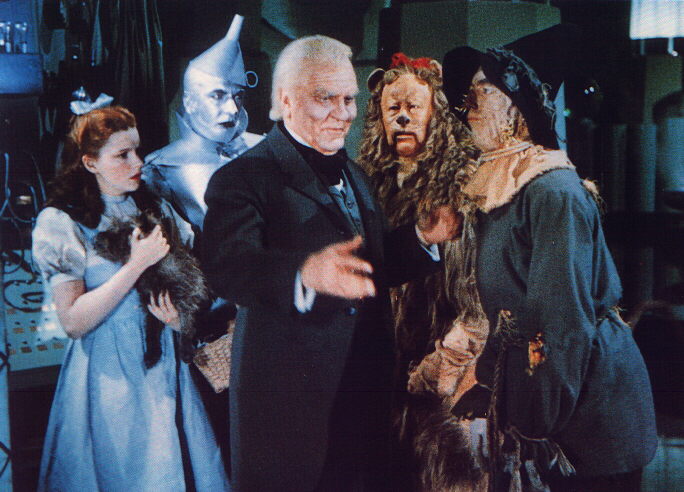
The Wizard of Oz , was produced as a motion picture in 1939 by Metro-Goldwyn-Mayer. (Book by L. Frank Baum; Adaption by Noel Langley; Screenplay by Florence Ryerson, Noel Langley, and Edgar Allan Woolf; Lyrics by E. Y. Harburg; Produced by Mervyn LeRoy; Directed by Victor Fleming.)
Many people believe that The Wizard of Oz was (and is) an allegory for the radically new state of affairs that existed in America in the 1930s, following the stock market crash and the bankruptcy of the United States Government which occurred immediately thereafter. For all extents and purposes, it can still be viewed as the current state of affairs, inasmuch as the allegorical nature, the clues strewn throughout the story, are still relevant today. The authors of Redemption in Law, Theory and Practice [BBC of America, 2000] have, for example, provided an interesting interpretation of the story of The Wizard of Oz, one which bears a considerable amount of attention being paid. Much of what follows, comes from pages 180 to 185 of their book.