Jul 16, 2000 | Scientists Re-Booted
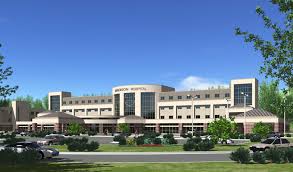
Mike Thomas, age 35, died on July 16, 2000 a few days after examining a sample taken from a 12-year-old girl who was diagnosed with meningitis and survived. He was a microbiologist at the Crestwood Medical Center in Huntsville.Mike Thomas, age 35, died on July 16, 2000 a few days after examining a sample taken from a 12-year-old girl who was diagnosed with meningitis and survived. He was a microbiologist at the Crestwood Medical Center in Huntsville.Mike Thomas, age 35, died on July 16, 2000 a few days after examining a sample taken from a 12-year-old girl who was diagnosed with meningitis and survived. He was a microbiologist at the Crestwood Medical Center in Huntsville.Mike Thomas, age 35, died on July 16, 2000 a few days after examining a sample taken from a 12-year-old girl who was diagnosed with meningitis and survived. He was a microbiologist at the Crestwood Medical Center in Huntsville.Mike Thomas, age 35, died on July 16, 2000 a few days after examining a sample taken from a 12-year-old girl who was diagnosed with meningitis and survived. He was a microbiologist at the Crestwood Medical Center in Huntsville.Mike Thomas, age 35, died on July 16, 2000 a few days after examining a sample taken from a 12-year-old girl who was diagnosed with meningitis and survived. He was a microbiologist at the Crestwood Medical Center in Huntsville.Mike Thomas, age 35, died on July 16, 2000 a few days after examining a sample taken from a 12-year-old girl who was diagnosed with meningitis and survived. He was a microbiologist at the Crestwood Medical Center in Huntsville.Mike Thomas, age 35, died on July 16, 2000 a few days after examining a sample taken from a 12-year-old girl who was diagnosed with meningitis and survived. He was a microbiologist at the Crestwood Medical Center in Huntsville.Mike Thomas, age 35, died on July 16, 2000 a few days after examining a sample taken from a 12-year-old girl who was diagnosed with meningitis and survived. He was a microbiologist at the Crestwood Medical Center in Huntsville.Mike Thomas, age 35, died on July 16, 2000 a few days after examining a sample taken from a 12-year-old girl who was diagnosed with meningitis and survived. He was a microbiologist at the Crestwood Medical Center in Huntsville.Mike Thomas, age 35, died on July 16, 2000 a few days after examining a sample taken from a 12-year-old girl who was diagnosed with meningitis and survived. He was a microbiologist at the Crestwood Medical Center in Huntsville.Mike Thomas, age 35, died on July 16, 2000 a few days after examining a sample taken from a 12-year-old girl who was diagnosed with meningitis and survived. He was a microbiologist at the Crestwood Medical Center in Huntsville.
Apr 15, 2000 | Scientists Re-Booted
Walter W. Shervington, M.D., age 62, died on April 15, 2000 of cancer at Tulane Medical Hospital. He was an extensive writer/ lecturer/ researcher about mental health and AIDS in the African American community.
Jun 3, 1999 | Scientists Re-Booted
Darwin Kenneth Vest disappeared in the early morning hours of June 3, 1999 while walking in downtown Idaho Falls, Idaho (USA).Darwin Kenneth Vest, born April 22, 1951, was an internationally renowned entomologist, expert on hobo spiders and other poisonous spiders and snakes. The family believes foul play was involved in his disappearance. A celebration of Darwin’s life was held in Idaho Falls and Moscow on the one-year anniversary of his disappearance. The services included displays of Darwin’s work and thank you letters from school children and teachers. Memories of Darwin were shared by at least a dozen speakers from around the world and concluded with the placing of roses and a memorial wreath in the Snake River. A candlelight vigil was also held that evening on the banks of the Snake River. Darwin was declared legally dead the first week of March 2004 and now the family is in the process of obtaining restraining orders against several companies who saw fit to use his name and photos without permission. His brother David is legal conservator of the estate and his sister Rebecca is handling issues related to Eagle Rock Research and ongoing research projects. Media help in locating Darwin is welcome. Continuing efforts to solve this mystery include recent DNA sampling. Stories about his disappearance continue to appear throughout the world. Issues surrounding missing adult investigations have received new attention following the tragedies of 9/11.
Sep 27, 1998 | Scientists Re-Booted
Jonathan Mann, age 51, died September 1998 in SwissAir Flight 111 over Canada. He was founding director of the World Health Organization’s global Aids program and founded Project SIDA in Zaire, the most comprehensive Aids research effort in Africa at the time, and in 1986 he joined the WHO to lead the global response against Aids. He became director of WHO’s global program on Aids which later became the UNAids program. He then became director of the Francois-Xavier Bagnoud Center for Health and Human Rights, which was set up at Harvard School of Public Health in 1993. He caused controversy earlier in 1998 in the media when he accused the US National Institutes of Health of violating human rights by failing to act quickly on developing Aids vaccines.Jonathan Mann, age 51, died September 1998 in SwissAir Flight 111 over Canada. He was founding director of the World Health Organization’s global Aids program and founded Project SIDA in Zaire, the most comprehensive Aids research effort in Africa at the time, and in 1986 he joined the WHO to lead the global response against Aids. He became director of WHO’s global program on Aids which later became the UNAids program. He then became director of the Francois-Xavier Bagnoud Center for Health and Human Rights, which was set up at Harvard School of Public Health in 1993. He caused controversy earlier in 1998 in the media when he accused the US National Institutes of Health of violating human rights by failing to act quickly on developing Aids vaccines.Jonathan Mann, age 51, died September 1998 in SwissAir Flight 111 over Canada. He was founding director of the World Health Organization’s global Aids program and founded Project SIDA in Zaire, the most comprehensive Aids research effort in Africa at the time, and in 1986 he joined the WHO to lead the global response against Aids. He became director of WHO’s global program on Aids which later became the UNAids program. He then became director of the Francois-Xavier Bagnoud Center for Health and Human Rights, which was set up at Harvard School of Public Health in 1993. He caused controversy earlier in 1998 in the media when he accused the US National Institutes of Health of violating human rights by failing to act quickly on developing Aids vaccines.
Jul 10, 1998 | Scientists Re-Booted
Elizabeth A. Rich, M.D., age 46, died on July 10, 1998 in a traffic accident while visiting family in Tennessee. She was an associate professor with tenure in the pulmonary division of the Department of Medicine at CWRU and University Hospitals of Cleveland. She was also a member of the executive committee for the Center for AIDS Research and directed the Bio-Safety level 3 facility, a specialized laboratory for the handling of HIV, virulent TB bacteria, and other infectious agents.
Elizabeth A. Rich, M.D., age 46, died on July 10, 1998 in a traffic accident while visiting family in Tennessee. She was an associate professor with tenure in the pulmonary division of the Department of Medicine at CWRU and University Hospitals of Cleveland. She was also a member of the executive committee for the Center for AIDS Research and directed the Bio-Safety level 3 facility, a specialized laboratory for the handling of HIV, virulent TB bacteria, and other infectious agents.Elizabeth A. Rich, M.D., age 46, died on July 10, 1998 in a traffic accident while visiting family in Tennessee. She was an associate professor with tenure in the pulmonary division of the Department of Medicine at CWRU and University Hospitals of Cleveland. She was also a member of the executive committee for the Center for AIDS Research and directed the Bio-Safety level 3 facility, a specialized laboratory for the handling of HIV, virulent TB bacteria, and other infectious agents.
Elizabeth A. Rich, M.D., age 46, died on July 10, 1998 in a traffic accident while visiting family in Tennessee. She was an associate professor with tenure in the pulmonary division of the Department of Medicine at CWRU and University Hospitals of Cleveland. She was also a member of the executive committee for the Center for AIDS Research and directed the Bio-Safety level 3 facility, a specialized laboratory for the handling of HIV, virulent TB bacteria, and other infectious agents.
Elizabeth A. Rich, M.D., age 46, died on July 10, 1998 in a traffic accident while visiting family in Tennessee. She was an associate professor with tenure in the pulmonary division of the Department of Medicine at CWRU and University Hospitals of Cleveland. She was also a member of the executive committee for the Center for AIDS Research and directed the Bio-Safety level 3 facility, a specialized laboratory for the handling of HIV, virulent TB bacteria, and other infectious agents.Elizabeth A. Rich, M.D., age 46, died on July 10, 1998 in a traffic accident while visiting family in Tennessee. She was an associate professor with tenure in the pulmonary division of the Department of Medicine at CWRU and University Hospitals of Cleveland. She was also a member of the executive committee for the Center for AIDS Research and directed the Bio-Safety level 3 facility, a specialized laboratory for the handling of HIV, virulent TB bacteria, and other infectious agents.
Dec 25, 1997 | Scientists Re-Booted
Sidney Harshman, age 67, died oSidney Harshman, age 67, died on December 25, 1997, from complications of diabetes. He was a professor of microbiology and immunology. He was the world’s leading expert on staphylococcal alpha toxins.Sidney Harshman, age 67, died on December 25, 1997, from complications of diabetes. He was a professor of microbiology and immunology. He was the world’s leading expert on staphylococcal alpha toxins.n December 25, 1997, from complications of diabetes. He was a professor of microbiology and immunology. He was the world’s leading expert on staphylococcal alpha toxins.
Sidney Harshman, age 67, died on December 25, 1997, from complications of diabetes. He was a professor of microbiology and immunology. He was the world’s leading expert on staphylococcal alpha toxins.Sidney Harshman, age 67, died on December 25, 1997, from complications of diabetes. He was a professor of microbiology and immunology. He was the world’s leading expert on staphylococcal alpha toxins.Sidney Harshman, age 67, died on December 25, 1997, from complications of diabetes. He was a professor of microbiology and immunology. He was the world’s leading expert on staphylococcal alpha toxins.Sidney Harshman, age 67, died on December 25, 1997, from complications of diabetes. He was a professor of microbiology and immunology. He was the world’s leading expert on staphylococcal alpha toxins.
Sidney Harshman, age 67, died oSidney Harshman, age 67, died on December 25, 1997, from complications of diabetes. He was a professor of microbiology and immunology. He was the world’s leading expert on staphylococcal alpha toxins.Sidney Harshman, age 67, died on December 25, 1997, from complications of diabetes. He was a professor of microbiology and immunology. He was the world’s leading expert on staphylococcal alpha toxins.n December 25, 1997, from complications of diabetes. He was a professor of microbiology and immunology. He was the world’s leading expert on staphylococcal alpha toxins.
Sidney Harshman, age 67, died on December 25, 1997, from complications of diabetes. He was a professor of microbiology and immunology. He was the world’s leading expert on staphylococcal alpha toxins.Sidney Harshman, age 67, died on December 25, 1997, from complications of diabetes. He was a professor of microbiology and immunology. He was the world’s leading expert on staphylococcal alpha toxins.Sidney Harshman, age 67, died on December 25, 1997, from complications of diabetes. He was a professor of microbiology and immunology. He was the world’s leading expert on staphylococcal alpha toxins.Sidney Harshman, age 67, died on December 25, 1997, from complications of diabetes. He was a professor of microbiology and immunology. He was the world’s leading expert on staphylococcal alpha toxins.
Sep 27, 1996 | Scientists Re-Booted
Dr. C. Bruton, a CJD (Creutzfeldt–Jakob Disease) specialist — who had just produced a paper on the a new strain of CJD — was killed in a car crash before his work was announced to the public. Purdey speculates that Bruton might have known more than what was revealed in his paper.Dr. C. Bruton, a CJD (Creutzfeldt–Jakob Disease) specialist — who had just produced a paper on the a new strain of CJD — was killed in a car crash before his work was announced to the public. Purdey speculates that Bruton might have known more than what was revealed in his paper.
May 7, 1996 | Scientists Re-Booted
Dr. Tsunao Saitoh, age 46, died on May 7, 1996. Shot and killed, along with his young daughter, in La Jolla, California. He was dead behind the wheel of the car, the side window had been shot out, and the door was open. His daughter appeared to have tried to run away and she was shot dead, also. The hit was compared to other killings of Japanese in this country by muggers. He was an expert in abnormal proteins in Alzheimer.
Sep 27, 1994 | Scientists Re-Booted
Dr. Jawad Al Aubaidi died in 1994. A graduate doctor from Cornell, he was hired to head the mycoplasma biowar research project. One of Dr. Aubaidi’s projects was filling payloads of scud missiles with mycoplasma strains. In 1995, Dr. Aubaidi was murdered by the Israelis Mussad. His demise, or, neutralization was made to look like an accident. He was killed in his native Iraq while he was changing a flat tire and was hit by a truck.
May 19, 1994 | Scientists Re-Booted
Jose Trias died on May 19, 1994. Trias and his wife were murdered in their Chevy Chase, Maryland home. They met with a friend of theirs, a journalist, before the day of their murder and told him of their plan to expose HHMI (Howard Hughes Medical Institute) funding of “special ops” research. Grant money that goes to HHMI is actually diverted to special black ops research projects.Jose Trias died on May 19, 1994. Trias and his wife were murdered in their Chevy Chase, Maryland home. They met with a friend of theirs, a journalist, before the day of their murder and told him of their plan to expose HHMI (Howard Hughes Medical Institute) funding of “special ops” research. Grant money that goes to HHMI is actually diverted to special black ops research projects.Jose Trias died on May 19, 1994. Trias and his wife were murdered in their Chevy Chase, Maryland home. They met with a friend of theirs, a journalist, before the day of their murder and told him of their plan to expose HHMI (Howard Hughes Medical Institute) funding of “special ops” research. Grant money that goes to HHMI is actually diverted to special black ops research projects.Jose Trias died on May 19, 1994. Trias and his wife were murdered in their Chevy Chase, Maryland home. They met with a friend of theirs, a journalist, before the day of their murder and told him of their plan to expose HHMI (Howard Hughes Medical Institute) funding of “special ops” research. Grant money that goes to HHMI is actually diverted to special black ops research projects.