Classified Aircraft and Black Budget Aerospace Programs
Aviation historian and aerospace researcher Michael Schratt has spent years investigating classified military aircraft programs funded through so-called black budgets. Through interviews with scientists, aerospace engineers, pilots, and executives from NASA and defense contractors, Schratt has compiled an extensive catalog of aircraft that have been developed, tested, and in some cases flown within highly compartmentalized military programs.
Where Billions in Defense Spending Disappear
Schratt argues that billions of taxpayer dollars are funneled into classified aerospace projects with little to no public oversight. Many of the craft he has documented were developed under programs that operate at secret and top-secret classification levels. Some of these aircraft, he claims, are so specialized or experimental that they are only flown once before being shelved or destroyed, raising questions about the cost-effectiveness and accountability of such programs.
Documented but Officially Unacknowledged Aircraft
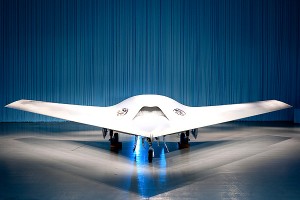
Among the subjects Schratt has examined are aircraft that have been witnessed and sometimes photographed but never officially acknowledged by the military or defense establishment. These range from advanced unmanned aerial vehicles and stealth platforms to experimental designs that push the boundaries of conventional aerodynamics. The Boeing Phantom Ray, pictured above, represents one example of a publicly known unmanned combat air vehicle, but Schratt contends that far more exotic designs exist beyond public knowledge.
The Question of Transparency in Defense Research
The broader issue Schratt raises concerns the tension between national security and public accountability. While classified research is a necessary component of defense strategy, the scale of funding directed toward programs that remain entirely hidden from congressional oversight and public scrutiny has drawn criticism from watchdog organizations and independent researchers alike. The debate over how much secrecy is justified in a democratic society remains unresolved, and researchers like Schratt continue to push for greater transparency in how defense budgets are allocated and spent.