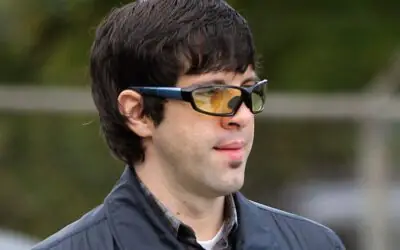
FBI Raids Home of Anonymous Spokesperson Barrett Brown
In April 2012, federal agents executed a search warrant at the Dallas home of Barrett Brown, a journalist who had become the unofficial public voice of the hacktivist collective Anonymous. The raid marked a significant escalation in the government’s campaign against the loosely organized group and its associates.
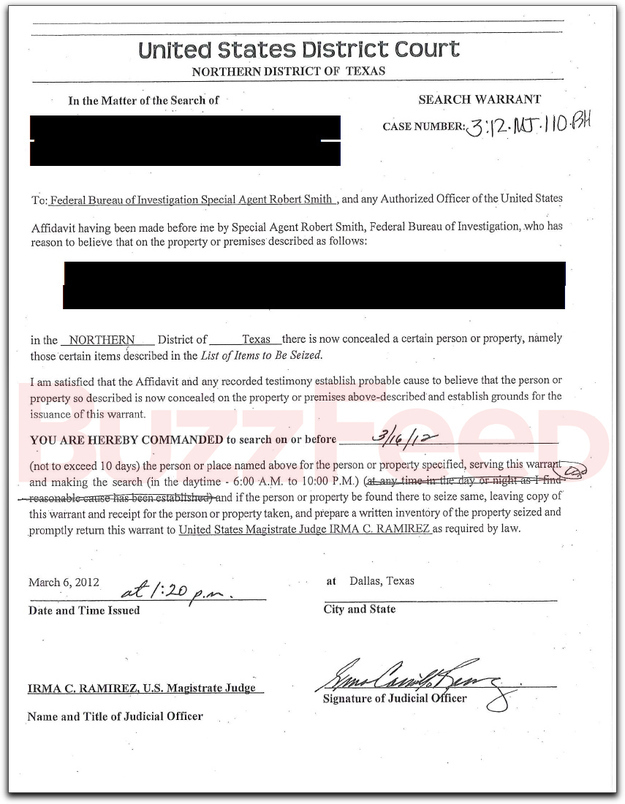
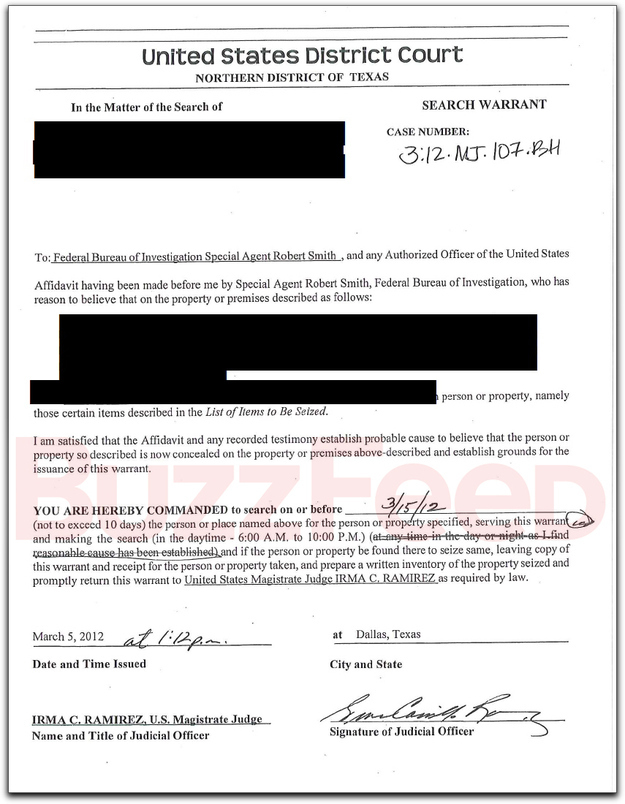
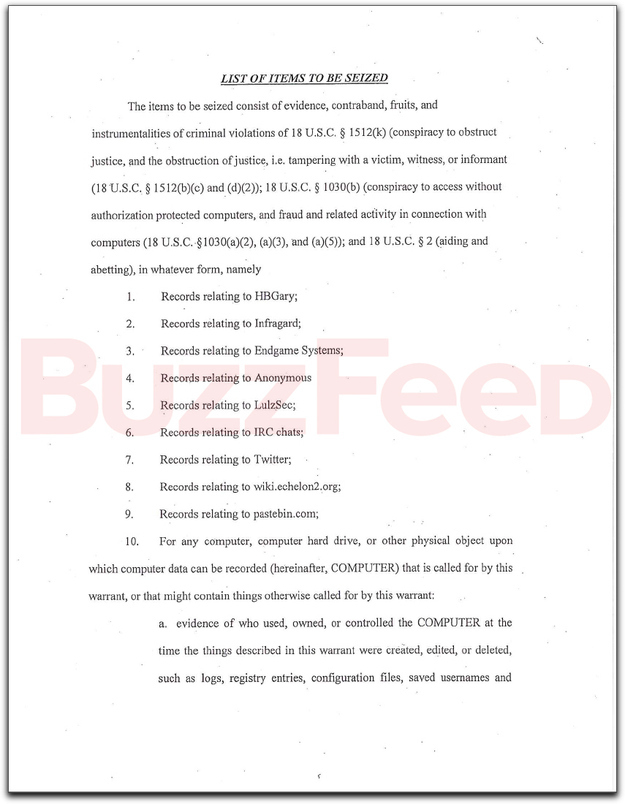
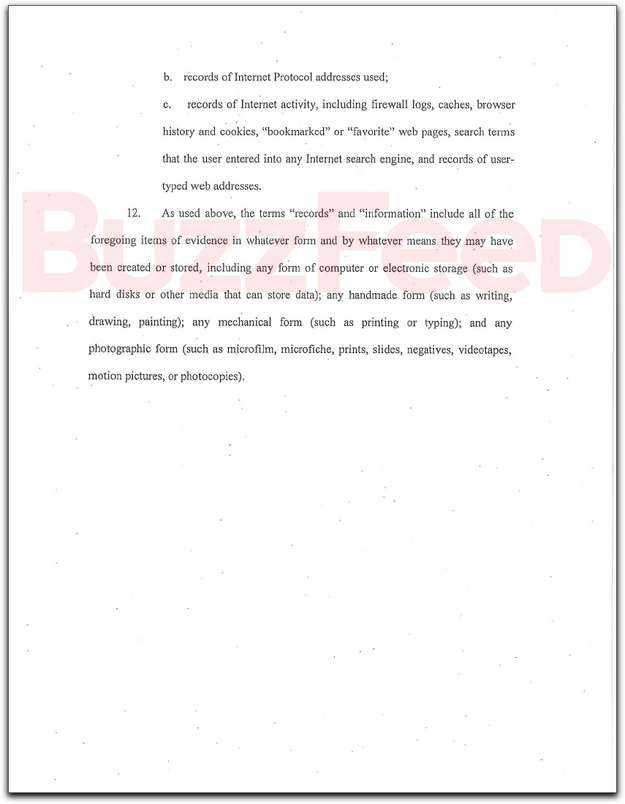
According to the search warrant, agents were investigating Brown’s potential involvement in a “conspiracy to access without authorization computers.” The document revealed three serious charges under consideration, signaling the breadth of the federal probe.
Scope of the Federal Search
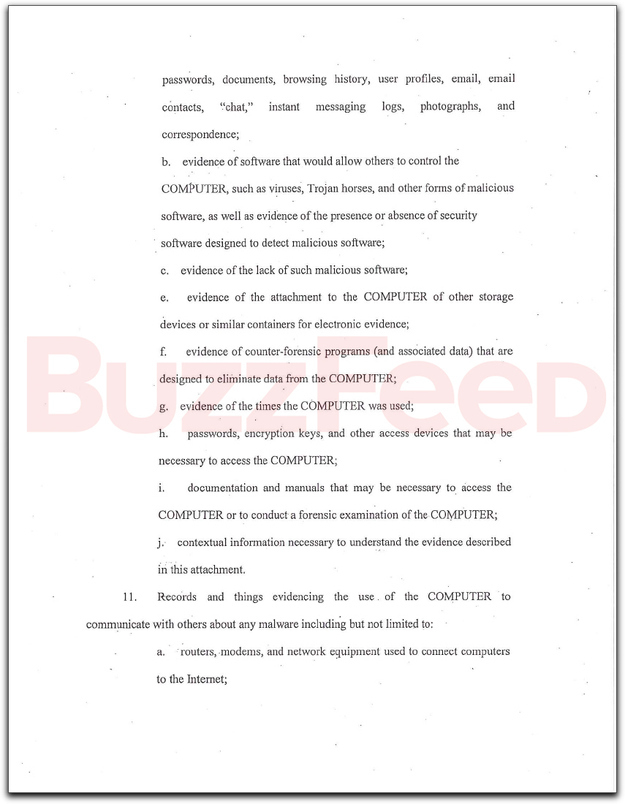
The FBI’s demands extended far beyond Brown’s personal computer. Agents seized his computer and cellphone, then expanded their search to his parents’ home. The warrant authorized collection of his Twitter records, chat logs, IRC conversations, Pastebin activity, complete internet browsing history, and virtually every form of electronic communication he had conducted.
The sweeping nature of the warrant suggested investigators were building a comprehensive picture of Brown’s digital footprint and his connections within the Anonymous network and the related hacking group LulzSec.
Intelligence Contractors Under Scrutiny
Beyond Anonymous itself, authorities appeared focused on Brown’s dealings with two private intelligence contracting firms: HBGary and Endgame Systems. Brown had repeatedly clashed with both companies and published critical investigations about them on Echelon2, a website he founded to examine the private intelligence industry.
The interest in these firms pointed to the tangled relationship between government contractors, cybersecurity operations, and the hacktivist movement that had targeted several of them.
Brown’s Response and Legal Position
Brown, then 30 years old and a contributor to publications including Vanity Fair and The Guardian, represented one of the highest-profile targets in the FBI’s investigation into a wave of hacks that had disrupted corporate and defense establishments.
At the time of the raid, Brown was writing a book about Anonymous. He maintained his innocence, noting that no charges had been filed against him despite the existence of a sealed affidavit that neither he nor his attorney could access. He stated publicly that he believed the FBI was operating on incorrect information.