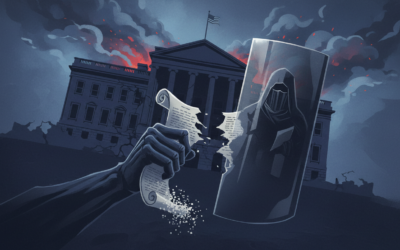
The May Day Bridge Plot: FBI Arrests Five Self-Described Anarchists
On April 30, 2012, the FBI Joint Terrorism Task Force arrested five individuals in Ohio on charges of conspiring to destroy a bridge near Cleveland. The arrests of Douglas L. Wright (age 26), Brandon L. Baxter (20), Anthony Hayne (35), Connor C. Stevens (20), and Joshua S. Stafford (23) were announced just as nationwide Occupy movement May Day protests were gaining momentum. Federal prosecutors described the suspects as “self-proclaimed anarchists” who had targeted critical infrastructure.
However, a close reading of the criminal affidavit revealed that FBI agents and a paid informant played central roles in shaping, advancing, and equipping the very plot they ultimately disrupted.
The Informant: A Criminal Record and FBI Payroll
The confidential human source at the center of the case had been working with the FBI since July 2011. This individual carried a criminal record that included cocaine possession, a robbery conviction, and four convictions for passing bad checks. The FBI paid the informant nearly $6,000 plus expenses for work on the case.
This reliance on compromised informants was not unprecedented. In the earlier Operation Backfire cases targeting Earth Liberation Front activists, the lead informant and arsonist, Jacob Ferguson, had a heroin addiction and later returned to prison on drug charges. The pattern of recruiting individuals with serious criminal histories to infiltrate activist circles and guide operations raised persistent questions about the reliability and ethics of such tactics.
How the Plot Developed Under FBI Supervision
According to the affidavit, the defendants engaged in a series of unfocused and often contradictory conversations about potential actions. Early discussions revolved around using smoke grenades or destroying bank signs atop buildings. The conversations shifted frequently, with participants floating ideas about targeting a boat, a bridge, or other structures.
At multiple points, the defendants themselves expressed uncertainty or reluctance. On April 10, 2012, Baxter told the group that he did not know what to do with explosives and had never considered blowing anything up before. Wright at one point joked about wearing a suicide vest but said he would have to be extremely drunk. Baxter later stated that the group had never actually decided on the bridge — they were just throwing out options and had not committed to any plan.
Throughout these meandering discussions, the FBI informant and undercover agents were present to steer the conversation back toward actionable plans. The informant helped provide direction, and an undercover agent served as the source of the explosives that were eventually sold to the group.
Defendants Sought Employment, Not Explosives
Several details in the affidavit painted a picture of individuals who were more interested in finding work than carrying out attacks. Wright asked the undercover FBI agent if there was any work he could do to pay for the materials the agent was going to sell him. Stevens told Wright he no longer wanted to participate in the plan and asked whether the informant might hire him to do work on his house instead.
At another point, Wright told the informant that he and others suspected one of the individuals involved was an undercover police officer — which was correct. Rather than confirming this, the informant reassured Wright and offered to help provide the explosives, keeping the plot moving forward.
The Entrapment Question in FBI Terrorism Cases
U.S. Attorney Steven Dettelbach characterized the case as a violent terrorist plot, stating that the charges were based on the defendants’ own plans and actions rather than their beliefs. However, the heavy involvement of government agents in developing the plan, providing materials, and sustaining momentum created significant questions about the line between investigation and entrapment.
The defendants themselves, by the FBI’s own account, repeatedly stated that they did not want to harm anyone. Baxter and Wright specifically said they did not want people to think they were terrorists.
The case bore striking similarities to that of Eric McDavid, an activist who was convicted on conspiracy charges after an undercover FBI operative known as “Anna” supplied bomb-making recipes, materials, and persistent encouragement. McDavid took no action and was ultimately convicted based on the conspiracy itself — the same charge structure used against the Ohio defendants.
Anarchism as a Federal Target
The Ohio bridge case reflected an ongoing federal focus on anarchist movements as a domestic security threat. The FBI’s press release prominently identified the defendants as “self-proclaimed anarchists,” and the affidavit noted their attendance at anarchist protests and their display of anarchist flags.
This approach to anarchism as an inherent indicator of dangerousness had precedent in other federal cases. In the prosecution of Scott Demuth, the government argued that his anarchist writings and association with the Animal Liberation Front movement made him a domestic terrorist. In the case of environmentalist Hugh Farrell, prosecutors sought a high cash bond partly because the defendant had been observed “advocating literature and materials which advocate anarchy.”
Timing and the Politics of May Day Arrests
The timing of the arrests — announced on April 30, the eve of May Day — ensured that the dominant news narrative on a day of planned labor and social justice protests would center on terrorism rather than on the constructive community work being carried out by activist organizations. Groups affiliated with the Occupy movement had been organizing home foreclosure prevention efforts, community gardens, collective organizing workshops, and public discussions about economic inequality.
Instead, the lead story became five young men arrested in an FBI-guided plot, reinforcing a narrative that equated political dissent with violent extremism. Whether the timing was coincidental or strategic, the effect was to shift public attention away from peaceful protest and toward fear of domestic terrorism.