Fluoride Accumulation in the Pineal Gland: The Science Behind Calcification
Research published in 2001 revealed a significant and largely overlooked biological phenomenon: fluoride accumulates in the human pineal gland over time and is directly associated with increased calcification of the organ. An analysis of eleven aged cadavers found a strong positive correlation between pineal fluoride levels and pineal calcium levels (r = 0.73, p<0.02), while no such correlation existed between pineal fluoride and bone fluoride. By old age, the pineal gland accumulates fluoride at a ratio to calcium that exceeds even bone tissue.
This finding raises fundamental questions about the long-term neurological impact of chronic fluoride exposure from water supplies, dental products, pharmaceuticals, and processed foods.
Understanding the Pineal Gland and Its Functions
The pineal gland is a small endocrine organ located near the center of the brain, nestled between the two hemispheres. Often referred to as the “third eye” in both scientific and philosophical traditions, this pea-sized structure contains cells called pinealocytes that share characteristics with photoreceptor cells found in the retina.
The gland plays a central role in regulating the body’s circadian rhythms and sleep-wake cycles. It produces melatonin from serotonin in response to darkness, helping synchronize biological functions with environmental light patterns. Some researchers have argued that classifying it merely as an endocrine gland understates its complexity, noting that it is fundamentally neural tissue with light-sensitive properties.
One of the pineal gland’s most notable anatomical features is that it sits outside the blood-brain barrier. This unusual positioning means it receives direct exposure to substances circulating in the bloodstream, which may explain its particular vulnerability to fluoride accumulation and subsequent calcification.
Historical and Philosophical Significance of the Pineal Gland
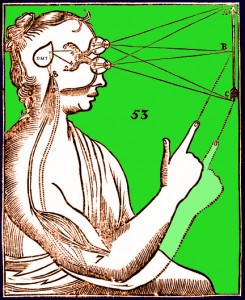
The pineal gland has attracted attention from thinkers across centuries. The ancient physician Galen described the organ in the 3rd century. French philosopher René Descartes (1596-1650), who had extensive experience in anatomy and vivisection, identified the pineal gland as the “seat of the soul.” Descartes reasoned that because the pineal gland is the only major brain structure that is not duplicated across the brain’s two hemispheres, it must serve as the convergence point where sensory impressions from paired organs like the eyes and ears unite before being processed by consciousness.
This philosophical perspective finds echoes in Eastern spiritual traditions, where the concept of a “third eye” located at the center of the forehead has been a recurring symbol for millennia. The anatomical reality of the pineal gland’s structure and location provides a tangible basis for these ancient ideas.
Health Conditions Linked to Pineal Gland Calcification
When the pineal gland calcifies, the resulting deposits resemble gravel and are composed primarily of calcite (calcium carbonate) or calcium hydroxylapatite, a mineral similar to what is found in bone and dentin. The medical literature has associated pineal gland calcification with a range of health conditions, including:
- Alzheimer’s disease
- Bipolar disorder
- Circadian rhythm disruption
- Hormonal imbalances and low melatonin production
- Insomnia and sleep disorders
- Parkinson’s disease
- Schizophrenia
- Stroke
The breadth of this list underscores how critical normal pineal function is to overall neurological and hormonal health.
Fluoride in Pharmaceuticals: The Case of Fluoxetine
The relationship between fluoride and pineal gland function becomes particularly striking when examining fluoride-containing medications. Fluoxetine, the active chemical in Prozac, is approximately 30 percent fluoride by weight. It is widely prescribed as an antidepressant, yet one of its documented side effects during both use and withdrawal is suicidal ideation and depression.
Animal studies have shed light on a possible mechanism connecting fluoride, fluoxetine, and the pineal gland. Research has shown that when mice have their pineal glands surgically removed, they no longer respond to fluoxetine. This finding suggests that the pineal gland may play a direct role in mediating the drug’s effects, and that fluoride’s impact on pineal tissue may be central to how these medications alter mood and cognition.
Reducing Fluoride Exposure and Protecting Pineal Health
For those concerned about pineal gland calcification, minimizing fluoride exposure is the most direct preventive measure. Common sources of fluoride include municipal tap water, non-stick cookware coatings such as Teflon, processed foods and beverages manufactured with fluoridated water, conventional toothpaste, infant formula prepared with tap water, and certain pharmaceutical drugs.
Research into natural compounds that may counteract fluoride toxicity has identified several promising areas of investigation. Studies indexed in the U.S. National Library of Medicine have examined various natural substances for their ability to mitigate fluoride’s harmful effects. Additionally, research on magnesium and phytate (inositol hexaphosphate) has shown potential for reducing pineal gland calcification specifically.
Understanding the connection between fluoride exposure and pineal gland health represents an important area of ongoing research, particularly as public health policies regarding water fluoridation continue to be debated worldwide.