French Court Rules Against Monsanto in Pesticide Poisoning Case
In a landmark 2012 ruling, a French court in Lyon found Monsanto guilty of chemical poisoning after a farmer suffered permanent neurological damage from exposure to the company’s Lasso weedkiller. The decision marked the first time a pesticide manufacturer had been held legally responsible for this type of injury in France.
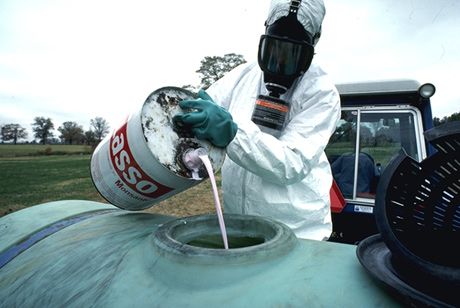
Paul Francois, a 47-year-old grain farmer, filed suit against Monsanto in 2004 after inhaling fumes from Lasso while cleaning his sprayer tank equipment. Following the exposure, he developed persistent neurological symptoms including chronic memory loss, recurring headaches, and a speech stutter that prevented him from performing his farming duties. Francois argued that the product’s packaging lacked adequate warnings about the dangers of inhalation exposure.
The Court’s Decision
The Lyon court determined that “Monsanto is responsible for Paul Francois’ suffering after he inhaled the Lasso product” and ordered the company to provide full compensation. The court engaged expert assessors to evaluate the extent of Francois’ losses in order to determine the precise monetary award. Francois Lafforgue, the farmer’s attorney, described the ruling as “a historic decision in so far as it is the first time that a pesticide maker is found guilty of such a poisoning.”
What Is Alachlor and Why Was It Banned?
Lasso’s active ingredient, alachlor, is a herbicide used to control weeds in agricultural fields. According to the U.S. Environmental Protection Agency, exposure to alachlor can damage the liver, kidneys, spleen, and eyes, and may cause anemia and cancer. The EPA considered the chemical dangerous enough to set its maximum contaminant level goals for drinking water at zero.
The European Union banned alachlor from agricultural use in 2006, and France officially prohibited Lasso the following year. Despite this European prohibition and the documented health risks, including hormonal disruption and reproductive toxicity, alachlor remained approved for use on conventional crops in the United States at the time of the ruling.
Broader Implications for Agricultural Chemical Safety
The French ruling set a legal precedent for pesticide injury claims in Europe and drew attention to disparities in chemical regulation between the EU and the United States. Francois himself warned that the farming population faced ongoing risks from continued alachlor use, stating he was fortunate to have survived but that others could be less fortunate. The case became a reference point in ongoing debates about pesticide manufacturer liability, product labeling standards, and the adequacy of regulatory frameworks governing agricultural chemicals.