Assange Sought Asylum After Exhausting Legal Options in the UK
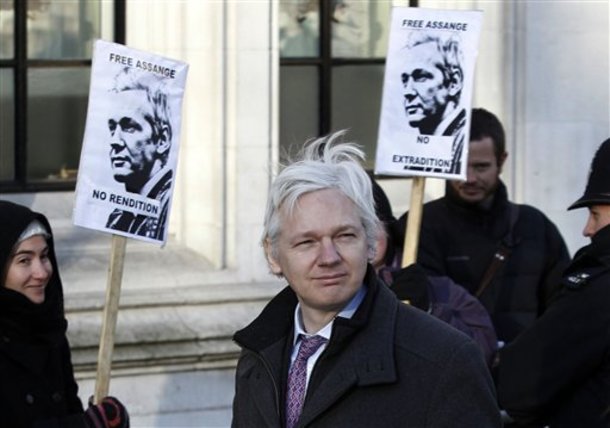
In the summer of 2012, WikiLeaks founder Julian Assange requested political asylum from Ecuador after the British Supreme Court declined to reopen his appeal against extradition to Sweden. Swedish authorities wanted Assange for questioning regarding allegations of sexual assault, though no formal charges had been filed at the time. On June 19, 2012, Assange entered the Ecuadorian embassy in London, where he would remain for the next seven years.
Ecuador’s Response and the Asylum Controversy
Initial reports suggested that Ecuador had granted asylum, but Ecuadorian President Rafael Correa clarified on social media that the rumors were premature. He stated that no decision would be made until the Foreign Ministry completed its report on the matter. Ecuador did ultimately grant Assange asylum in August 2012, setting the stage for a prolonged diplomatic standoff between Ecuador, the United Kingdom, and Sweden.
Under international law, the asylum grant entitled Assange to safe passage from the UK to Ecuador, according to legal experts at the time. However, British authorities refused to grant that safe passage, maintaining their obligation to extradite him under a European Arrest Warrant.
The Fear of US Extradition
At the core of Assange’s asylum request was the concern, shared by his legal team and supporters, that extradition to Sweden would ultimately lead to his transfer to the United States. Assange and his lawyers believed that US authorities had already prepared a sealed indictment related to WikiLeaks’ publication of classified material, and that he could face prosecution more severe than that of Chelsea Manning, the military intelligence analyst who had provided WikiLeaks with hundreds of thousands of classified documents.
WikiLeaks and the Disclosure of Classified Material
WikiLeaks had published vast troves of classified US government material, including diplomatic cables from the State Department and operational documents from the Department of Defense. The disclosures exposed details of military operations, diplomatic communications, and intelligence activities, making WikiLeaks one of the most consequential and controversial publishers in modern history. The legal and political ramifications of those publications continued to unfold for years after Assange entered the embassy.