Inside the NSA’s Hawaii Facility
Edward Snowden wore a black hoodie from the Electronic Frontier Foundation to his shifts at the NSA’s underground Hawaii facility known as “the tunnel.” The sweatshirt featured a parody of the NSA’s official seal, with eavesdropping headphones on the eagle and AT&T cables replacing the traditional key. His colleagues assumed it was an ironic joke. For someone with Snowden’s technical reputation, minor eccentricities were easily overlooked.
Months after Snowden provided tens of thousands of classified documents to journalists, the NSA publicly characterized him as a malicious actor who had cheated on an entrance exam and potentially infected his work computers with malware. But a former colleague who worked alongside Snowden in the Hawaii office provided a substantially different account of who he was and how he operated within the agency.
A Technical Reputation That Opened Doors
According to this former colleague, Snowden had earned widespread respect within the NSA before his assignment to Hawaii. He had developed a backup system that the agency adopted broadly across its codebreaking operations. He routinely identified and reported security vulnerabilities in NSA software, though many of those bugs were never addressed.
Snowden initially arrived in Hawaii as a cybersecurity specialist working through Dell’s services division. A contract issue led to his reassignment as an administrator for the agency’s SharePoint intranet system. His managers, recognizing his capabilities, selected him to build a new web front-end for one of their projects despite his contractor status. This decision came with full administrator privileges and virtually unlimited access to NSA data.
His former colleague described the calculus that led to that access: when you have someone who can accomplish tasks no one else can, and the only distinction is contractor versus government employee, the practical choice seemed obvious at the time.
Access Granted, Not Stolen
The former NSA staffer specifically disputed reports that Snowden had tricked colleagues into surrendering their passwords or fabricated SSH keys to gain unauthorized access. The reality, according to this account, was far simpler. Snowden’s access was granted to him through normal channels based on his demonstrated competence.
On at least one occasion, Snowden was given a manager’s credentials to cover responsibilities during a vacation. Investigators later found no evidence that Snowden had misused those particular privileges, and nothing uniquely accessible through that account appeared in subsequent news reports.
Snowden’s technical abilities attracted attention from NSA leadership. He was offered a position on the elite hacking unit known as Tailored Access Operations. In a decision that surprised his colleagues, he declined, instead moving to Booz Allen Hamilton to work at the NSA’s Threat Operation Center.
Signs of a Whistleblower Conscience
In retrospect, there were indicators of Snowden’s internal conflicts about the agency’s activities. He kept a copy of the U.S. Constitution on his desk and reportedly cited it during discussions about NSA programs he believed might be unconstitutional. He once nearly lost his position after defending a colleague who was being disciplined by a superior.
Snowden was also known for small acts of generosity, leaving anonymous gifts on colleagues’ desks. He frequently carried a Rubik’s cube through the facility’s corridors, the same object he later used to identify himself when meeting journalists in Hong Kong to begin publishing the leaked documents.
Neither Hero Nor Traitor
The former colleague acknowledged an evolving perspective on Snowden’s actions. Initial reactions of shock and feelings of betrayal gradually gave way to a more nuanced understanding. While disagreeing with the methods Snowden chose, the former coworker expressed a belief that his motivations were genuine and consistent with the person they had known.
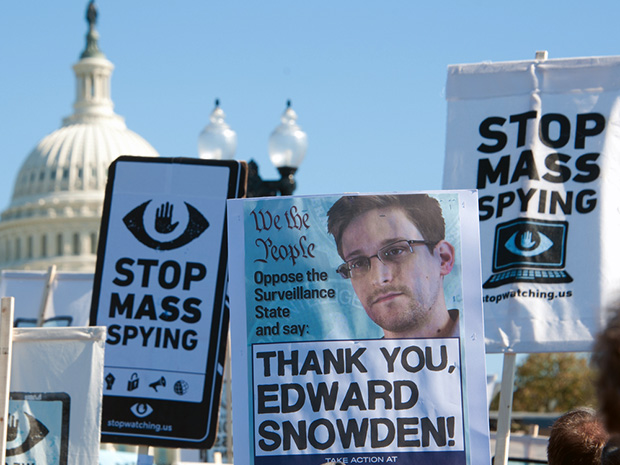
The account painted a picture of someone whose exceptional technical skills earned him extraordinary access within one of the world’s most secretive intelligence agencies, and who ultimately used that access in a way that forced a global reckoning with the scope of government surveillance.