Executive Actions on Gun Safety Following Mass Shootings
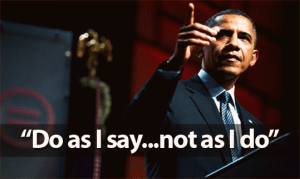
In January 2013, President Barack Obama signed a series of executive actions aimed at reducing gun violence in the United States. The measures came in the wake of the Sandy Hook Elementary School shooting in Newtown, Connecticut, and the Aurora, Colorado theater shooting, both of which had intensified the national debate over firearms policy. The signing ceremony drew significant attention and equally significant controversy over the scope of presidential authority being exercised.
The executive actions did not constitute new laws passed by Congress but rather directives to federal agencies on how to implement existing authorities. The measures focused heavily on improving the federal background check system, enhancing mental health services, and directing research into gun violence prevention.
The 23 Executive Actions Explained
The full list of actions covered a wide range of administrative directives. Several focused on improving information sharing between federal and state agencies for the background check system. Others directed the Attorney General to review categories of prohibited persons and propose new rulemaking on background checks for private sales.
Key measures included directing the Centers for Disease Control to research causes and prevention of gun violence, clarifying that the Affordable Care Act did not prohibit doctors from discussing gun safety with patients, and releasing guidance allowing health care providers to report credible threats of violence to law enforcement. Additional actions addressed school safety through emergency response planning and incentives for hiring school resource officers.
The mental health provisions called for finalizing parity regulations, expanding Medicaid coverage of mental health services, and launching a national dialogue on mental health led by cabinet secretaries.
The Debate Over Executive Authority and Second Amendment Rights
The executive actions triggered immediate debate along several fault lines. Second Amendment advocates argued that the measures represented executive overreach and an attempt to circumvent the legislative process on firearms regulation. Particular concern centered on the provisions encouraging medical professionals to inquire about firearms in patients’ homes and report individuals they deemed potentially dangerous.
Critics contended that conflating gun ownership with mental health assessments created a framework that could eventually be used to restrict firearm access for broad categories of citizens. They pointed to existing cases where veterans diagnosed with conditions like PTSD had faced firearms restrictions as evidence of this trajectory.
The Broader Policy Context
Supporters of the executive actions argued that the measures were modest administrative steps well within presidential authority. They pointed to the limited scope of the actions, which primarily directed existing agencies to better enforce current laws and improve information sharing, rather than creating new restrictions on firearms purchases.
The debate that followed reflected a deep and ongoing division in American politics over the balance between public safety measures and individual rights under the Second Amendment. The executive actions represented one approach to addressing gun violence through administrative channels, while legislative efforts to pass more comprehensive gun control measures continued to face significant opposition in Congress.