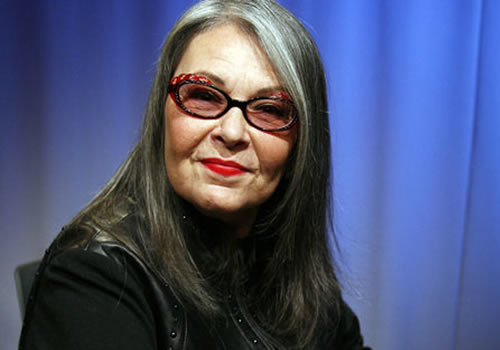
A Career Built on Controversy
Roseanne Barr carved out a unique space in American entertainment as a comedian and actress willing to address subjects that most of her peers avoided. Her self-titled sitcom, which ran from 1988 to 1997, broke ground by depicting a working-class American family dealing with real economic pressures, and Barr herself became known for blunt public commentary on political and social issues.
Unlike many celebrities who limit their public statements to safe, broadly popular causes, Barr consistently waded into territory that risked her standing in the entertainment industry. Her willingness to discuss government programs, media manipulation, and what she characterized as a culture of control within Hollywood set her apart from the typical celebrity activist.
Speaking Out About Hollywood’s Culture of Fear
In interviews, Barr described what she saw as a pervasive atmosphere of intimidation within the entertainment industry. She argued that Hollywood personalities were largely afraid to use their platforms to address controversial subjects because doing so could result in being ostracized from the industry and having their careers systematically dismantled.
Barr referenced the CIA’s documented MK ULTRA program, a series of mind control experiments conducted from the 1950s through the 1970s, as a framework for understanding what she believed was ongoing psychological manipulation within the entertainment world. While the historical MK ULTRA program is a matter of declassified government record, Barr’s claims about its continuing influence in Hollywood represent her personal interpretation and have been met with both support and skepticism.
Activism Beyond Entertainment
Barr’s activism extended well beyond her commentary on the entertainment industry. She ran for president in 2012, first seeking the Green Party nomination and then running as the Peace and Freedom Party candidate. Her platform focused on issues including drug policy reform, banking reform, and opposition to military interventionism.
She publicly expressed concerns about the state of public education, healthcare systems, foreign military policy, and what she described as the erosion of civil liberties. Regardless of whether one agreed with her specific positions, her willingness to risk professional consequences for speaking her mind was unusual among figures at her level of celebrity.
Legacy as a Public Figure
Barr’s career trajectory illustrates the tension between celebrity influence and the boundaries that the entertainment industry places on acceptable discourse. Her outspokenness brought both dedicated supporters who valued her willingness to challenge established narratives and critics who dismissed her views as conspiratorial.
What remains notable about Barr’s public activism is the consistency of her willingness to accept professional and personal costs for stating her beliefs publicly, a quality that has become increasingly rare in an industry where public relations management typically takes precedence over candid expression.