Reports of a Second Gunman at Sandy Hook Elementary
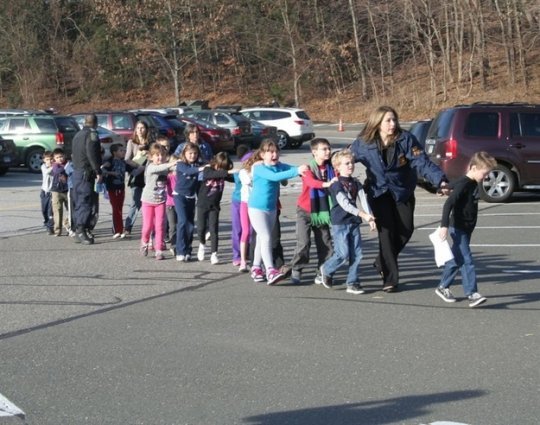
On December 14, 2012, a mass shooting at Sandy Hook Elementary School in Newtown, Connecticut claimed the lives of 27 people, including 18 children. In the hours immediately following the tragedy, law enforcement took a second individual into custody on suspicion of involvement in the attack. Early reporting indicated this suspect was approximately 20 years old and had allegedly traveled to the school from New Jersey.
Initial casualty figures were described as preliminary by CBS News senior correspondent John Miller, who cautioned that the numbers would likely shift as investigators gathered more information.
Eyewitness Accounts From Inside the School
Survivors described scenes of absolute chaos as gunfire erupted throughout the building. One eight-year-old student recounted walking toward the school office when he witnessed rounds traveling down a hallway before a teacher pulled him to safety inside a nearby classroom.
Multiple sources confirmed that school principal Dawn Hochsprung was among the victims, along with the school psychologist and vice-principal. Reports indicated that a significant portion of the violence occurred within a kindergarten classroom.
Law enforcement officials confirmed that the suspect possessed multiple firearms, including a .223-caliber rifle. New Jersey State Police simultaneously conducted a search at a separate location within the state that was believed to be connected to the potential second suspect.
Multiple News Outlets Initially Confirmed a Second Suspect
During the first hours of coverage, several major news organizations reported the presence of a second armed individual. Fox News, citing the Connecticut Post, reported that a second person was escorted out of nearby woods by officers and taken in for questioning.
A CBS affiliate in New York reported that law enforcement believed a second gunman might be involved and were searching for a red or maroon van with its rear window destroyed. ABC News similarly reported that a second armed individual appeared to remain at large while car-to-car searches were underway.
A Connecticut CBS affiliate provided additional details, noting that the potential second suspect had been taken into custody and that SWAT teams were investigating the primary suspect’s residence. A witness speaking with WFSB-TV described seeing a second man led out of the woods in handcuffs, wearing a black jacket and camouflage pants, who reportedly told bystanders that he was not responsible for the attack.
How the Second Shooter Narrative Disappeared From Coverage
Within hours of the initial reporting, references to a second suspect began vanishing from updated news stories. USA Today published a revised account describing the event as the work of a single individual who killed 27 people at the school, with no mention of any additional suspect. NBC News followed the same editorial direction, publishing stories under headlines that explicitly described a lone gunman without acknowledging the earlier multi-suspect reports.
This pattern of narrative revision raised questions among independent journalists and media critics. The shift from multi-suspect reporting to a single-perpetrator framework echoed what some observers had noted in coverage of other high-profile mass casualty events.
Parallels to Other Mass Shooting Investigations
Several analysts pointed to similarities with the July 2012 theater shooting in Aurora, Colorado, where multiple eyewitnesses initially reported seeing a second individual assisting the primary suspect, James Holmes. Holmes, a neuroscience graduate student who had been conducting research into cognitive and neurological processes, carried out the attack during a midnight screening. Early witness statements describing a second participant were similarly absent from later coverage.
The 2011 shooting of Congresswoman Gabrielle Giffords in Tucson, Arizona, carried out by Jared Lee Loughner, also prompted investigators to examine potential external influences on the attacker’s behavior and mental state.
Unanswered Questions About Shifting Narratives
The rapid and consistent removal of second-suspect references from mainstream reporting across multiple competing news organizations raised pointed questions that remained largely unaddressed. Why did every major outlet simultaneously abandon a detail that had been reported by their own correspondents on the ground? What happened to the individual witnesses described being led away in handcuffs?
These questions reflected broader concerns about how mass casualty events are covered and how initial on-the-ground reporting frequently diverges from the official narratives that ultimately solidify in the public record. For those seeking accountability on behalf of the 27 victims at Sandy Hook Elementary, a complete and transparent accounting of all individuals involved remained essential.
This article examines reporting discrepancies from December 2012. Original news coverage referenced includes reports from CBS News, Fox News, ABC News, NBC News, USA Today, CNN, the Hartford Courant, and WFSB-TV.