
Dec 7, 2013 | Metaphysics, Nature Body Mind, News
 With evidence growing that training the mind or inducing specific modes of consciousness can have beneficial health effects, scientists have sought to understand how these practices physically affect the body. A new study by researchers in Wisconsin, Spain, and France reports the first evidence of specific molecular changes in the body following a period of intensive mindfulness practice. The study investigated the effects of a day of intensive mindfulness practice in a group of experienced meditators, compared to a group of untrained control subjects who engaged in quiet non-meditative activities. After eight hours of mindfulness practice, the meditators showed a range of genetic and molecular differences, including altered levels of gene-regulating machinery and reduced levels of pro-inflammatory genes, which in turn correlated with faster physical recovery from a stressful situation. “To the best of our knowledge, this is the first paper that shows rapid alterations in gene expression within subjects associated with mindfulness meditation practice,” says study author Richard J. Davidson, founder of the Center for Investigating Healthy Minds and the William James and Vilas Professor of Psychology and Psychiatry at the University of Wisconsin-Madison. “Most interestingly, the changes were observed in genes that are the current targets of anti-inflammatory and analgesic drugs,” says Perla Kaliman, first author of the article and a researcher at the Institute of Biomedical Research of Barcelona, Spain (IIBB-CSIC-IDIBAPS), where the molecular analyses were conducted.
The study was published in the Journal Psychoneuroendocrinology.
Mindfulness-based trainings have shown beneficial effects on inflammatory disorders in prior clinical studies and are endorsed by the American Heart Association as a preventative intervention. The new results provide a possible biological mechanism for therapeutic effects.
Gene Activity Can Change According To Perception
According to Dr. Bruce Lipton, gene activity can change on a daily basis. If the perception in your mind is reflected in the chemistry of your body, and if your nervous system reads and interprets the environment and then controls the blood’s chemistry, then you can literally change the fate of your cells by altering your thoughts.
In fact, Dr. Lipton’s research illustrates that by changing your perception, your mind can alter the activity of your genes and create over thirty thousand variations of products from each gene. He gives more detail by saying that the gene programs are contained within the nucleus of the cell, and you can rewrite those genetic programs through changing your blood chemistry.
In the simplest terms, this means that we need to change the way we think if we are to heal cancer. “The function of the mind is to create coherence between our beliefs and the reality we experience,” Dr. Lipton said. “What that means is that your mind will adjust the body’s biology and behavior to fit with your beliefs. If you’ve been told you’ll die in six months and your mind believes it, you most likely will die in six months. That’s called the nocebo effect, the result of a negative thought, which is the opposite of the placebo effect, where healing is mediated by a positive thought.”
That dynamic points to a three-party system: there’s the part of you that swears it doesn’t want to die (the conscious mind), trumped by the part that believes you will (the doctor’s prognosis mediated by the subconscious mind), which then throws into gear the chemical reaction (mediated by the brain’s chemistry) to make sure the body conforms to the dominant belief. (Neuroscience has recognized that the subconscious controls 95 percent of our lives.)
Now what about the part that doesn’t want to die–the conscious mind? Isn’t it impacting the body’s chemistry as well? Dr. Lipton said that it comes down to how the subconscious mind, which contains our deepest beliefs, has been programmed. It is these beliefs that ultimately cast the deciding vote.
“It’s a complex situation,” said Dr. Lipton. People have been programmed to believe that they’re victims and that they have no control. We’re programmed from the start with our mother and father’s beliefs. So, for instance, when we got sick, we were told by our parents that we had to go to the doctor because the doctor is the authority concerning our health. We all got the message throughout childhood that doctors were the authority on health and that we were victims of bodily forces beyond our ability to control. The joke, however, is that people often get better while on the way to the doctor. That’s when the innate ability for self-healing kicks in, another example of the placebo effect.
Mindfulness Practice Specifically Affects Regulatory Pathways
The results of Davidson’s study show a down-regulation of genes that have been implicated in inflammation. The affected genes include the pro-inflammatory genes RIPK2 and COX2 as well as several histone deacetylase (HDAC) genes, which regulate the activity of other genes epigenetically by removing a type of chemical tag. What’s more, the extent to which some of those genes were downregulated was associated with faster cortisol recovery to a social stress test involving an impromptu speech and tasks requiring mental calculations performed in front of an audience and video camera.
Biologists have suspected for years that some kind of epigenetic inheritance occurs at the cellular level. The different kinds of cells in our bodies provide an example. Skin cells and brain cells have different forms and functions, despite having exactly the same DNA. There must be mechanisms–other than DNA–that make sure skin cells stay skin cells when they divide.
Perhaps surprisingly, the researchers say, there was no difference in the tested genes between the two groups of people at the start of the study. The observed effects were seen only in the meditators following mindfulness practice. In addition, several other DNA-modifying genes showed no differences between groups, suggesting that the mindfulness practice specifically affected certain regulatory pathways.
The key result is that meditators experienced genetic changes following mindfulness practice that were not seen in the non-meditating group after other quiet activities — an outcome providing proof of principle that mindfulness practice can lead to epigenetic alterations of the genome.
Previous studies in rodents and in people have shown dynamic epigenetic responses to physical stimuli such as stress, diet, or exercise within just a few hours.
“Our genes are quite dynamic in their expression and these results suggest that the calmness of our mind can actually have a potential influence on their expression,” Davidson says.
“The regulation of HDACs and inflammatory pathways may represent some of the mechanisms underlying the therapeutic potential of mindfulness-based interventions,” Kaliman says. “Our findings set the foundation for future studies to further assess meditation strategies for the treatment of chronic inflammatory conditions.”
Subconscious Beliefs Are Key
Too many positive thinkers know that thinking good thoughts–and reciting affirmations for hours on end–doesn’t always bring about the results that feel-good books promise.
Dr. Lipton didn’t argue this point, because positive thoughts come from the conscious mind, while contradictory negative thoughts are usually programmed in the more powerful subconscious mind.
“The major problem is that people are aware of their conscious beliefs and behaviors, but not of subconscious beliefs and behaviors. Most people don’t even acknowledge that their subconscious mind is at play, when the fact is that the subconscious mind is a million times more powerful than the conscious mind and that we operate 95 to 99 percent of our lives from subconscious programs.
“Your subconscious beliefs are working either for you or against you, but the truth is that you are not controlling your life, because your subconscious mind supersedes all conscious control. So when you are trying to heal from a conscious level–citing affirmations and telling yourself you’re healthy–there may be an invisible subconscious program that’s sabotaging you.”
The power of the subconscious mind is elegantly revealed in people expressing multiple personalities. While occupying the mind-set of one personality, the individual may be severely allergic to strawberries. Then, in experiencing the mind-set of another personality, he or she eats them without consequence.
The new science of epigenetics promises that every person on the planet has the opportunity to become who they really are, complete with unimaginable power and the ability to operate from, and go for, the highest possibilities, including healing our bodies and our culture and living in peace.
About the Author
Michael Forrester is a spiritual counselor and is a practicing motivational speaker for corporations in Japan, Canada and the United States.
Sources: wisc.edu brucelipton.com ts-si.org
Oct 12, 2012 | Nature Body Mind, Survivalism

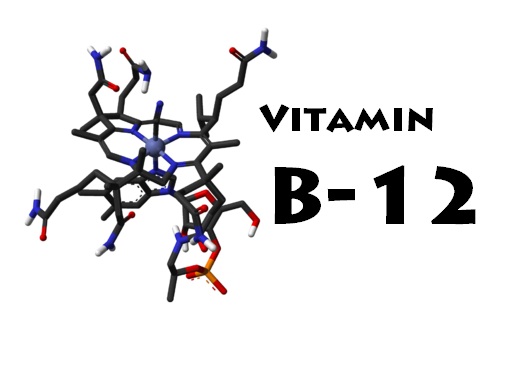
Vitamin B12, or rather a lack thereof, has been called the “canary in the coalmine” for your future brain health, and recent research has bolstered the importance of this vitamin in keeping your mind sharp as you age.
According to the latest research, people with high levels of markers for vitamin B12 deficiency were more likely to score lower on cognitive tests, as well as have a smaller total brain volume, which suggests a lack of the vitamin may lead to brain shrinkage.
This issue is of paramount importance for many of you reading this for two reasons:
- Vitamin B12 deficiency is very widespread
- Your blood level of vitamin B12 is not an adequate marker of whether or not you’re deficient, making vitamin B12 deficiency easy to miss
What is Vitamin B12?
Vitamin B12 is a powerhouse micronutrient often known as the “energy vitamin” because it assists in energy production.
Your body relies on the efficient conversion of carbohydrates to glucose — your body’s source of fuel — to run smoothly, and vitamin B12 plays a major role in that conversion. B12 also enables your body to convert fatty acids into energy. Further, your B12 level impacts a number of very important functions in your body, including:
| Carbohydrate and fat metabolism |
Healthy nervous system function |
Promotion of normal nerve growth and development |
| Help with regulation of the formation of red blood cells |
Cell formation and longevity |
Proper circulation |
| Adrenal hormone production |
Healthy immune system function |
Support of female reproductive health and pregnancy |
| Feelings of well-being and mood regulation |
Mental clarity, concentration, memory function |
Physical, emotional and mental energy |
Problems with Memory, Brain Function Top Signs of Vitamin B12 Deficiency
Mental fogginess and problems with memory are two of the top warning signs that you have vitamin B12 deficiency, and this is indicative of its importance for your brain health.
In addition to the latest Neurology study, which found more signs of shrinkage of brain tissue among those with low vitamin B12, a Finnish study published in Neurology last year found that people who consume foods rich in B12 may reduce their risk of Alzheimer’s in their later years. For each unit increase in the marker of vitamin B12 (holotranscobalamin) the risk of developing Alzheimer’s was reduced by 2 percent. Research also shows that supplementing with B vitamins, including B12, helps to slow brain atrophy in elderly people with mild cognitive impairment (brain atrophy is a well-established characteristic of Alzheimer’s disease).
What Causes B12 Deficiency?
Vitamin B12 is the largest vitamin that we know of. Because of its large size, it is not easily absorbed passively like most supplements. Because of this, many, if not most oral B12 supplements are worthless and do NOT work. Vitamin B12 requires a complex system in your body involving intrinsic factor to bind to it so it can be actively absorbed in the end of your small intestine (terminal ileum). As you grow older the ability to produce intrinsic factor decreases and cause a deficiency state.
Studies from the U.S. Framingham trial show one in four adults are deficient in vitamin B12, and nearly half the population has suboptimal blood levels. If you eat an all vegetarian or vegan diet, vitamin B12 is one of the nutrients your body is most likely deficient in, as it is naturally present in foods that come from animals, including meat, fish, eggs, milk and milk products. However, there are many other causes of B12 deficiency as well, including:
- Food-Cobalamin Malabsorption Syndrome:This condition results when your stomach lining loses its ability to produce intrinsic factor, a protein that binds to vitamin B12 and allows your body to absorb it into your bloodstream at the furthest point of your small intestine.Intrinsic factor is a protein made by your stomach. It grabs onto the B12 molecule and together they move through your stomach to your small intestine. When they reach the end of your small intestine, the intrinsic factor is absorbed first, pulling the B12 with it into the cells of your large intestine, where they are absorbed for use by the rest of your body.
- Increasing Age: Intrinsic factor diminishes as you age, and this means it’s virtually impossible to get B12 from your diet. This also means the older you get, the more likely you will need to supplement B12.
- Use of the drug metformin for Type 2 diabetes: Use of metformin (brand names include Glucophage, Glucophage XR, Fortamet, Riomet, and Glumetza) may inhibit your B12 absorption, especially at higher doses.
- Coffee consumption: Four or more cups of coffee a day can reduce your B vitamin stores by as much as 15 percent.
- Use of antacids: The use of antacids or anti-ulcer drugs will lower your stomach acid secretion and decrease your ability to absorb vitamin B12. Stomach acid (hydrochloric acid) is a crucial ingredient in your body’s ability to absorb B12. If you’re taking a medication specifically designed to reduce the amount of stomach acid you produce, your body’s ability to use vitamin B12 from the food you eat or the supplements you take will be significantly compromised.
- Gastric bypass surgery
- Exposure to nitrous oxide (laughing gas)
Why a Blood Test May Not be Enough to Detect Deficiency
Blood tests for vitamin B12 deficiency aren’t as clear cut or helpful as they are for other nutritional deficiencies. Standard tests to assess vitamin B12 concentrations are limited because the clinical severity of vitamin B12 deficiency is unrelated to vitamin B12 concentrations. As researchers concluded in Neurology:
“Concentrations of all vitamin B12-related markers, but not serum vitamin B12 itself, were associated with global cognitive function and with total brain volume.”
So generally speaking, you can use the following recommendations to screen for vitamin B12 deficiency:
- If your vitamin B12 concentration is less than 150 pmol/L, you are considered B12 deficient and you and your health care practitioner should take steps to determine the underlying cause(s) and treatment.
- If your B12 concentration is between 150 and 200 pmol/L, your serum MMA (Methylmalonic Acid) level should be determined to identify whether your situation requires more investigation and treatment. Research suggests elevated levels of MMA (a natural compound found in your body) are an indicator for vitamin B12 deficiency.
However, if you suspect or are concerned you are vitamin B12 deficient, a more practical option may be to simply supplement your diet with B12 and see if your symptoms improve.
B12 is available in its natural form only in animal food sources. These include seafood, beef, chicken, pork, milk, eggs. If you don’t consume enough of these animal products (and I don’t recommend consuming seafood unless you know it is from a pure water source) to get an adequate supply of B12, or if your body’s ability to absorb the vitamin from food is compromised, vitamin B12 supplementation is completely non-toxic and inexpensive, especially when compared to the cost of laboratory testing.
In fact, the first treatment most doctors and other health care experts will suggest upon receiving B12 deficiency lab test results is supplementation with vitamin B12. I recommend either an under-the-tongue fine mist spray, as this technology helps you absorb it into the fine capillaries under your tongue. This delivery system bypasses the intrinsic factor problem and is much easier, safer and less painful than having your doctor inject you with a vitamin B12 shot.
Signs and Symptoms to Watch For
Besides the above-mentioned mental fogginess and memory problems, there are actually a wide range of symptoms of vitamin B12 deficiency, from mild to severe, which can affect your body, mind and mood. In general, the signs are:
- Fatigue, lack of energy, muscle weakness, tingling in your extremities
- Mental fogginess or problems with your memory, trouble sleeping
- Mood swings, especially feelings of apathy or lack of motivation
| Depression |
Dementia and Alzheimer’s |
| Anemia |
Neurological and Neuropsychiatric conditions |
| Female fertility and childbearing problems |
Heart disease and cancer |
Other symptoms of long-term, chronic B12 deficiency are included in the chart above. Even though vitamin B12 is water-soluble, it doesn’t exit your body quickly like other water-soluble vitamins. B12 is stored in your liver, kidneys and other body tissues, and as a result, a deficiency may not show itself for a number of years until you finally run out of this naturally stored internal source of the vitamin.
This time lag in seeing symptoms of a B12 deficiency is a serious concern, because after about seven years of deficiency, irreversible brain damage can potentially result. So if you are suffering from any of the symptoms above it makes sense to take steps to increase your levels to protect your long-term brain, and overall, health.
IMPORTANT B12 Summary: Please Remember…
If you believe you need a vitamin B12 supplement, don’t hesitate to take one. They are very safe and there are virtually no known side effects. However, avoid oral B12 supplements as they will not be easily absorbed. You can take an injection or do a far easier sublingual (under your tongue) spray that allows the large B12 structure to bypass your intestine and be absorbed directly into your blood stream, allowing you to benefit immediately.
via Mercola

Feb 8, 2005 | Scientists Re-Booted
 Geetha Angara, age 43, died on February 8, 2005. This formerly missing chemist was found in a Totowa, New Jersey water treatment plant’s tank. Angara, 43, of Holmdel, was last seen on the night of Feb. 8 doing water quality tests at the Passaic Valley Water Commission plant in Totowa, where she worked for 12 years. Divers found her body in a 35-foot-deep sump opening at the bottom of one of the emptied tanks. Investigators are treating Angara’s death as a possible homicide. Angara, a senior chemist with a doctorate from New York University, was married and mother of three.

Jan 7, 2005 | Scientists Re-Booted
 Jeong H. Im, age 72, died on January 7, 2005. Korean Jeong H. Im, died of multiple stab wounds to the chest before firefighters found in his body in the trunk of a burning car on the third level of the Maryland Avenue Garage. A retired research assistant professor at the University of Missouri – Columbia and primarily a protein chemist, MUPD with the assistance of the Columbia Police Department and Columbia Fire Department are conducting a death investigation of the incident. A “person of interest” described as a male 6′-6’2″ wearing some type of mask possible a painters mask or drywall type mask was seen in the area of the Maryland Avenue Garage. Dr. Im was primarily a protein chemist and he was a researcher in the field.

 With evidence growing that training the mind or inducing specific modes of consciousness can have beneficial health effects, scientists have sought to understand how these practices physically affect the body. A new study by researchers in Wisconsin, Spain, and France reports the first evidence of specific molecular changes in the body following a period of intensive mindfulness practice. The study investigated the effects of a day of intensive mindfulness practice in a group of experienced meditators, compared to a group of untrained control subjects who engaged in quiet non-meditative activities. After eight hours of mindfulness practice, the meditators showed a range of genetic and molecular differences, including altered levels of gene-regulating machinery and reduced levels of pro-inflammatory genes, which in turn correlated with faster physical recovery from a stressful situation. “To the best of our knowledge, this is the first paper that shows rapid alterations in gene expression within subjects associated with mindfulness meditation practice,” says study author Richard J. Davidson, founder of the Center for Investigating Healthy Minds and the William James and Vilas Professor of Psychology and Psychiatry at the University of Wisconsin-Madison. “Most interestingly, the changes were observed in genes that are the current targets of anti-inflammatory and analgesic drugs,” says Perla Kaliman, first author of the article and a researcher at the Institute of Biomedical Research of Barcelona, Spain (IIBB-CSIC-IDIBAPS), where the molecular analyses were conducted.