Researchers Finally Show How Mindfulness and Your Thoughts Can Induce Specific Molecular Changes To Your Genes

Researchers Finally Show How Mindfulness and Your Thoughts Can Induce Specific Molecular Changes To Your Genes

cosmic-brain-dna-genesWith evidence growing that training the mind or inducing specific modes of consciousness can have beneficial health effects, scientists have sought to understand how these practices physically affect the body. A new study by researchers in Wisconsin, Spain, and France reports the first evidence of specific molecular changes in the body following a period of intensive mindfulness practice. The study investigated the effects of a day of intensive mindfulness practice in a group of experienced meditators, compared to a group of untrained control subjects who engaged in quiet non-meditative activities. After eight hours of mindfulness practice, the meditators showed a range of genetic and molecular differences, including altered levels of gene-regulating machinery and reduced levels of pro-inflammatory genes, which in turn correlated with faster physical recovery from a stressful situation. “To the best of our knowledge, this is the first paper that shows rapid alterations in gene expression within subjects associated with mindfulness meditation practice,” says study author Richard J. Davidson, founder of the Center for Investigating Healthy Minds and the William James and Vilas Professor of Psychology and Psychiatry at the University of Wisconsin-Madison. “Most interestingly, the changes were observed in genes that are the current targets of anti-inflammatory and analgesic drugs,” says Perla Kaliman, first author of the article and a researcher at the Institute of Biomedical Research of Barcelona, Spain (IIBB-CSIC-IDIBAPS), where the molecular analyses were conducted.

The study was published in the Journal Psychoneuroendocrinology.

Mindfulness-based trainings have shown beneficial effects on inflammatory disorders in prior clinical studies and are endorsed by the American Heart Association as a preventative intervention. The new results provide a possible biological mechanism for therapeutic effects.

Gene Activity Can Change According To Perception 

According to Dr. Bruce Lipton, gene activity can change on a daily basis. If the perception in your mind is reflected in the chemistry of your body, and if your nervous system reads and interprets the environment and then controls the blood’s chemistry, then you can literally change the fate of your cells by altering your thoughts.

In fact, Dr. Lipton’s research illustrates that by changing your perception, your mind can alter the activity of your genes and create over thirty thousand variations of products from each gene. He gives more detail by saying that the gene programs are contained within the nucleus of the cell, and you can rewrite those genetic programs through changing your blood chemistry.

In the simplest terms, this means that we need to change the way we think if we are to heal cancer. “The function of the mind is to create coherence between our beliefs and the reality we experience,” Dr. Lipton said. “What that means is that your mind will adjust the body’s biology and behavior to fit with your beliefs. If you’ve been told you’ll die in six months and your mind believes it, you most likely will die in six months. That’s called the nocebo effect, the result of a negative thought, which is the opposite of the placebo effect, where healing is mediated by a positive thought.”cosmic-neurons

That dynamic points to a three-party system: there’s the part of you that swears it doesn’t want to die (the conscious mind), trumped by the part that believes you will (the doctor’s prognosis mediated by the subconscious mind), which then throws into gear the chemical reaction (mediated by the brain’s chemistry) to make sure the body conforms to the dominant belief. (Neuroscience has recognized that the subconscious controls 95 percent of our lives.)

Now what about the part that doesn’t want to die–the conscious mind? Isn’t it impacting the body’s chemistry as well? Dr. Lipton said that it comes down to how the subconscious mind, which contains our deepest beliefs, has been programmed. It is these beliefs that ultimately cast the deciding vote.

“It’s a complex situation,” said Dr. Lipton. People have been programmed to believe that they’re victims and that they have no control. We’re programmed from the start with our mother and father’s beliefs. So, for instance, when we got sick, we were told by our parents that we had to go to the doctor because the doctor is the authority concerning our health. We all got the message throughout childhood that doctors were the authority on health and that we were victims of bodily forces beyond our ability to control. The joke, however, is that people often get better while on the way to the doctor. That’s when the innate ability for self-healing kicks in, another example of the placebo effect.

Mindfulness Practice Specifically Affects Regulatory Pathways

The results of Davidson’s study show a down-regulation of genes that have been implicated in inflammation. The affected genes include the pro-inflammatory genes RIPK2 and COX2 as well as several histone deacetylase (HDAC) genes, which regulate the activity of other genes epigenetically by removing a type of chemical tag. What’s more, the extent to which some of those genes were downregulated was associated with faster cortisol recovery to a social stress test involving an impromptu speech and tasks requiring mental calculations performed in front of an audience and video camera.

Biologists have suspected for years that some kind of epigenetic inheritance occurs at the cellular level. The different kinds of cells in our bodies provide an example. Skin cells and brain cells have different forms and functions, despite having exactly the same DNA. There must be mechanisms–other than DNA–that make sure skin cells stay skin cells when they divide.

Perhaps surprisingly, the researchers say, there was no difference in the tested genes between the two groups of people at the start of the study. The observed effects were seen only in the meditators following mindfulness practice. In addition, several other DNA-modifying genes showed no differences between groups, suggesting that the mindfulness practice specifically affected certain regulatory pathways.

The key result is that meditators experienced genetic changes following mindfulness practice that were not seen in the non-meditating group after other quiet activities — an outcome providing proof of principle that mindfulness practice can lead to epigenetic alterations of the genome.

Previous studies in rodents and in people have shown dynamic epigenetic responses to physical stimuli such as stress, diet, or exercise within just a few hours.

“Our genes are quite dynamic in their expression and these results suggest that the calmness of our mind can actually have a potential influence on their expression,” Davidson says.

“The regulation of HDACs and inflammatory pathways may represent some of the mechanisms underlying the therapeutic potential of mindfulness-based interventions,” Kaliman says. “Our findings set the foundation for future studies to further assess meditation strategies for the treatment of chronic inflammatory conditions.”

Subconscious Beliefs Are Key

Too many positive thinkers know that thinking good thoughts–and reciting affirmations for hours on end–doesn’t always bring about the results that feel-good books promise.

Dr. Lipton didn’t argue this point, because positive thoughts come from the conscious mind, while contradictory negative thoughts are usually programmed in the more powerful subconscious mind.

“The major problem is that people are aware of their conscious beliefs and behaviors, but not of subconscious beliefs and behaviors. Most people don’t even acknowledge that their subconscious mind is at play, when the fact is that the subconscious mind is a million times more powerful than the conscious mind and that we operate 95 to 99 percent of our lives from subconscious programs.

“Your subconscious beliefs are working either for you or against you, but the truth is that you are not controlling your life, because your subconscious mind supersedes all conscious control. So when you are trying to heal from a conscious level–citing affirmations and telling yourself you’re healthy–there may be an invisible subconscious program that’s sabotaging you.”

The power of the subconscious mind is elegantly revealed in people expressing multiple personalities. While occupying the mind-set of one personality, the individual may be severely allergic to strawberries. Then, in experiencing the mind-set of another personality, he or she eats them without consequence.

The new science of epigenetics promises that every person on the planet has the opportunity to become who they really are, complete with unimaginable power and the ability to operate from, and go for, the highest possibilities, including healing our bodies and our culture and living in peace.

About the Author

Michael Forrester is a spiritual counselor and is a practicing motivational speaker for corporations in Japan, Canada and the United States.

Sources: wisc.edu brucelipton.com ts-si.org

 
November 2, 2012 – DCMX Radio: Romney Exposed, HAARP Hurricane, GMO Jumping Genes, Japanese Android Hackers, Ecuador Gold Audit

November 2, 2012 – DCMX Radio: Romney Exposed, HAARP Hurricane, GMO Jumping Genes, Japanese Android Hackers, Ecuador Gold Audit

Mitt Romney Exposed! Research by John Hankey

Weather modification and how Hurricane Sandy was ‘steered’ into NYC

Japanese police arrested five mobile applications developers for creating and embedding a virus into smartphone applications.

Ecuador Demands Repatriation of 1/3 of Gold Reserves

GMO Jumping Genes


Every Week Night 12-1am EST (9-10pm PST)

– Click Image to Listen LIVE –

Scientists find extraterrestrial code inbedded in human junk-DNA

– DNA junk not so random…

A group of researchers working at the Human Genome Project will be announcing soon that they made an astonishing scientific discovery: They believe so-called non-coding sequences (97%) in human DNA is no less than genetic code of an unknown extraterrestrial life form.

The non-coding sequences are common to all living organisms on Earth, from molds to fish to humans. In human DNA, they constitute larger part of the total genome, says Prof. Sam Chang, the group leader. Non-coding sequences, also known as “junk DNA”, were discovered years ago, and their function remains mystery.

Unlike normal genes, which carry the information that intracellular machinery uses to synthesize proteins, enzymes and other chemicals produced by our bodies, non-coding sequences are never used for any purpose. They are never expressed, meaning that the information they carry is never read, no substance is synthesized and they have no function at all. We exist on only 3% of our DNA.

The junk genes merely enjoy the ride with hard working active genes, passed from generation to generation. What are they? How come these idle genes are in our genome? Those were the question many scientists posed and failed to answer – until the breakthrough discovery by Prof. Sam Chang and his group.

Trying to understand the origins and meaning of junk DNA Prof. Chang realized that he first needs a definition of “junk”. Is junk DNA really junk, (useless and meaningless) or it contains some information not claimed by the rest of DNA for whatever reason? He once mentioned the question to an acquaintance, Dr. Lipshutz, a young theoretical physicist turned Wall Street derivative securities specialist. “Easy,” replied Lipshutz. “We’ll run your sequence through the software I use to analyze market data, and it will show if your sequences are total garbage, “white noise”, or there is a message in there.” This new breed of analysts with strong background in math, physics and statistics are getting more and more popular with Wall Street firms. They sift through gigabytes of market statistics, trying to uncover useful correlation between the various market indexes, and individual stocks.

Working evenings and weekends, Lipshutz managed to show that non-coding sequences are not all junk, they carry information. Combining massive database of the Human Genome Project with thousands of data files developed by geneticists all over the world Lipshutz calculated Kolmogorov entropy of the non-coding sequences and compared it with the entropy of regular, active genes. Kolmogorov entropy, introduced by the famous Russian mathematician half a century ago, was successfully used to quantify the level of randomness in various sequences, from time sequences of noise in radio lamps to sequences of letters in 19th century Russian poetry. By and large, the technique allows researchers to quantitatively compare various sequences and conclude which one carries more information than the other does. “To my surprise, the entropy of coding and non-coding DNA sequences was not that different”, continues Lipshutz. “There was noise in both but it was no junk at all. If the market data were that orderly, I would have already retired.”

After a year of cooperation with Lipshutz, Chang was convinced, there is a hidden information in junk DNA. However, how could one understand its meaning if the information is never used? With active sequences you try to watch the cell and see what proteins are being made using the information. This wouldn’t work with dormant genes. There will be experiment to test a hypothesis; one should rely on the power of his thought. Since there are letters, it should be tested in some old languages, perhaps Sumerian, Egyptian, Hebrew, and so on. Prof. Sam Chang solicited help from three specialists in the field, but none of them managed to find a solution. There were no cultural clues, no references to other known languages, the field was too alien for the linguists.

“I asked myself: who else can decipher a hidden message?” Chang continues. “Of course, cryptographers! In addition, I began talking with researchers at the National Security Agency. It took me few months to make them return my calls. Were they running background checks on me? Alternatively, were they too busy lobbying senators on retaining and strengthening their authority to control exports of encryption technologies? Eventually, a junior fellow was assigned to answer my questions. He listened, requested my questions in writing and after another, few months turned me down. His message was polite but meant, “Go to hell with your crazy ideas. We are a serious agency, its National Security, dude. We are too busy.”

Well, Sam, forget the Government, talk to the private sector. Therefore, I began approaching computer security consultants. They were genuinely interested, and a couple of them even began working on my project, but their enthusiasm always faded after a month. I kept calling them until one nice fellow told me: “I’d love to work on your project if I had more time. I am overbooked. Emissaries of major banks and Fortune 500 companies are begging me to plumb the holes in their networks. They pay me $500 an hour. I can give you an educational discount, can you afford $350?” Scrambling $15/hr for a post doctoral studies is a big deal in academia, $350 sounded as something extraorbital.” Eventually Prof. Chang was referred to Dr. Adnan Mussaelian, a talented cryptographer in the former Soviet republic of Armenia. Poor fellow barely survived on a $15 a month salary and occasional fees for tutoring children of Armenian nuveau riches. A $10,000 research grant was a struck of luck, he began working like a beaver.

Adnan promptly confirmed the findings of his Wall Street predecessor: The entropy indicated tons of information almost in the clear, it was not too strong cryptographic system, it didn’t appear to be a tough problem. Adnan began applying differential cryptoanalysis and similar standard cryptographic techniques.

He was two months in the project when he noticed that all non-coding sequences are usually preceded by one short DNA sequence. A very similar sequence usually followed the junk. These segments, known to biologists as alu sequences, were all over the whole human genome. Being non-coding, junk sequences themselves, alu are one of the most common genes of all.

Trained as a cryptographer and computer programmer, and having no knowledge of microbiology, Adnan approached the genetic code as of computer code. Dealing with 0, 1, 2, 3 (four bases of genetic code) instead of 0s and 1s of the binary code was a sort of nuisance, but the computer code was what he was analyzing and deciphering all his life. He was on familiar territory. The most common symbol in the code that causes no action followed by a chunk of dormant code. What is that? Just playing with the analogy Adnan grabbed the source code of one his programs and fed it into the program that calculates the statistics of symbols and short sequences, a tool often used in decoding messages. What was the most common symbol? Of course, it was “/”, a symbol of comment! He took a Pascal code, and it were { and } ! Of course, the code between two slashes in C is never executed, and is never meant to be executed; it is not the code, it is the comment to the code!

Being unable to resist the temptation to further play with the analogy, Adnan began comparing statistical distributions of the comments in computer and genetic code. There must be a striking difference. This should show up in statistics. Nevertheless, statistically, junk DNA was not much different from active, coding sequences. To be sure, Adnan fed a program into the analyzer: surprisingly, the statistics of code and comments were almost the same. He looked into the source code and realized why: there were very few comments in between the slashes, it was mostly C code the author decided to exclude from execution, a common practice among programmers.

Adnan, religiously inclined person, was thinking about the divine hand – but after analyzing the spaghetti code inside the sequences he convinced himself that whoever wrote the small code was not God. Who wrote the active, small coding part of human genetic code was not very well organized, he was a rather sloppy programmer. It looked like rather somebody from Microsoft, but at the time human genetic code was written, there was no Microsoft on Earth.

On Earth? It was like a lightning… Was the genetic code for all life on Earth written by an extraterrestrial programmer and then somehow deposited here, for execution? The idea was mad and frightening, and Adnan resisted it for days. Then he decided to proceed. If the non-coding sequences are parts of the program that were rejected or abandoned by the author, there is a way to make them work. The only thing one needs to do is to remove the symbols of comments and if the portion between the /*……*/ symbols is a meaningful routine it may compile and execute! Following this line of thought, Adnan selected only those non-coding sequences that had exactly the same frequency distribution of symbols as the active genes. This procedure excluded the comments in Marcian or Q, whatever it was. He selected some 200 non-coding sequences that most closely resembled real genes, stripped them of /*, //, and similar stuff and after few days of hesitation sent e-mail to his American boss, asking him to find a way to put them in E-coli or whatever host and make them work.

Chang did not replied for two weeks. “I thought I was fired”, confessed Dr. Mussaelian. “With every day of his silence I more and more realized how crazy my idea was. Chang would conclude I was a schizophrenic and would terminate the contract. Chang finally responded and, to my surprise, he did not fire me. He had not bought my extraterrestrial theory but agreed to try to make my sequences work.”

Biologists have attempted for years to make junk sequences express, without much success. Sometimes nothing turned out; sometimes it was junk again. It was not surprising. Grab an arbitrary portion of the excluded computer code and try to compile it. Most likely, it will fail. At best, it will produce bizarre results. Analyze the code carefully, fish out a whole function from the comments, and you may make it work. Because of careful Mussaelian’s statistical analysis 4 of the 200 sequences he selected, began working, producing tiny amounts of a chemical compounds.

“I was anxiously awaiting the response from Chang,” says Dr. Mussaelian. “Would it be a more or less normal protein or something out of ordinary? The answer was shocking: it was a substance, known to be produced by several types of leukemia in men and animals. Surprisingly, three other sequences also produced cancer-related chemicals. It no longer looked like a coincidence. When one awakens a viable dormant gene, it produces cancer-related proteins. Researchers began searching Human Genome Project databases for the four genes they isolated from junk DNA. Eventually, three of the four were found there, listed as active, non-junk genes. This was not a big surprise: since cancer tissues produce the protein, there must be somewhere a gene, which codes it! The surprise came later: In the active, non-junk portion of the code the gene in question (the researchers called it “jhlg1”, for junk human leukemia gene) was not preceded by the alu sequence, i.e. the /* symbol was missing. However, the closing */ symbol at the end of “jhlg1” was there. This explained why “jhlg1” was not expressed in the depth of the junk DNA but worked fine in the normal, active part of the genome. The one who wrote the basic genetic code for humans excluded portion of the big code by embracing them in /*… */ but missed some of the opening /* symbol. His compiler seems to be garbage, too: a good compiler, even from terrestrial Microsoft, would most likely refuse to compile such program at all.

Prof. Sam Chang with his students began searching for genes associated with various cancers, and almost in all instances they discovered that those genes are followed by the alu sequence (i.e. protein as a comment closing symbol */), but never preceded by the comment opening /* gene! “This explains why diseases result in cell damage and their death, whereas cancers lead to cell reproduction and growth. Because only few fragments from the big code are expressed, they never lead to coherent growth. What we get with cancer, is expression of only few of genes alien to humans and symbiosis with some genes of bacterial parasites that lead to illogical, bizarre and apparently meaningless chunks of living cells. The chunks have its own veins, arteries, and its own immune system that vigorously resists all our anti-cancer drugs.

“Our hypothesis is that a higher extraterrestrial life form was engaged in creating new life and planting it on various planets. Earth is just one of them. Perhaps, after programming, our creators grow us the same way we grow bacteria in Petri dishes. We can’t know their motives – whether it was a scientific experiment, or a way of preparing new planets for colonization, or is it long time ongoing business of seedling life in the universe. If we think about it in our human terms, the extraterrestrial programmers were most probably working on one big code consisting of several projects, and the projects should have produced various life forms for various planets. They have been also trying various solutions. They wrote the big code, executed it, did not like some function, changed them or added new one, executed again, made more improvements, tried again and again. Of course, soon or later it was behind schedule. Few deadlines have already passed. Then the management began pressing for an immediate release. The programmers were ordered to cut all their idealistic plans for the future and concentrate now on one (Earth) project to meet the pressing deadline. Very likely in a rush, the programmers cut down drastically the big code and delivered basic program intended for Earth. However, at that time they were (perhaps) not quite certain which functions of the big code may be needed later and which not, so they kept them all there. Instead of cleaning the basic program by deleting all the lines of the big code, they converted them into comments, and in the rush they missed few /* symbols in the comments here or there; thus presenting mankind with illogical growth of mass of cells we know as cancer.”

There are three options to the problem. Either delete all the /* symbols and comments and clean this way the basic code, or add all the missing */ and avoid illogical mixing of the basic code with the big code. Alternatively, in the third option, remove all the / symbols and let work the basic code with the big code as a complete program. Unfortunately, none of these options are within our capacity. If we were able to efficiently insert genes into the chromosomes of living men, our breakthrough discovery would mean instant cure for all future cancer cases; at least from the programmer point of view. Theoretically, we can do it in a laboratory, but we have no practical means to implant the repaired DNA into living subjects. The mystery of “junk DNA” and cancer seems to be solved, but no quick cure shall be expected. The best thing we can do now is to try nourishing new, cancer-free line of humans with gradually debugged basic genetic code. That will take a long time. For us and our children, there is no hope on the horizon.

“However, from the programmer’s point of view, there is also positive outlook in it. What we see in our DNA is a program consisting of two versions, a big code and basic code. First fact is, the complete program was positively not written on Earth; that is now a verified fact. The second fact is, that genes by themselves are not enough to explain evolution; there must be something more in the game. What it is or where it is, we don’t kow. The third fact is, no creator of a new work, be it a composer, engineer or programmer, from Mars or Microsoft, will ever leave his work without the option for improvement or upgrade. Ingenious here is, that the upgrade is already enclosed – the “junk DNA” is nothing more than hidden and dormant upgrade of our basic code! We know for some time that certain cosmic rays have power to modify DNA. With this in mind, plausible solution is available. The extraterrestrial programmers may use just one flash of the right energy from somewhere in the Universe to instruct the basic code to remove all the /*…*/ symbols, fuse itself with the big code (“junk DNA”) and jumpstart working of our whole DNA. That would change us forever, some of us within months, some of us within generations. The change would be not too much physical, (except no more cancers, diseases and short life), but it will catapult us intellectually. Suddenly, we will be in time comparable to coexistence of Neanderthals with Cromagnons. The old will be replaced giving birth to a new cycle. The complete program is elegant, very clever self-organizing, auto-executing, auto-developing and auto-correcting software for a highly advanced biological computer with build-in connection to the ageless energy and wisdom of the Universe. Software wise, within us is either short and diseased life, or potential for a super-intelligent super-being with a long and healthy life. This triggers puzzling questions – was the reduction to the basic code done by sloppy programmers in a rush (as it appears to us), or was the disabling of the big code purposeful act which can be cancelled by a “remote control” whenever desired?”

Soon or later, we have to come to grips with the unbelievable notion that every life on Earth carries genetic code for his extraterrestrial cousin and that evolution is not what we think it is. This discovery may well shake the very roots of humanity – our beliefs in our concept of God and in our own power over our destiny. With the right paradigm, we may discover one day that all forms of life and the whole Universe is just one huge intellectual exercise in thoughts expressed mathematically, by Design, by Creator”

Jonathan Widom

Jonathan Widom

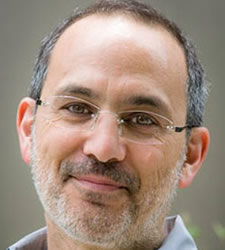
Jonathan-WidomJonathan Widom, 55, died July 18 of an apparent heart attack. He was a professor of Molecular Biosciences in the Weinberg College of Arts and Sciences at Northwestern University. Widom focused on how DNA is packaged into chromosomes — and the location of nucleosomes specifically. Colleagues said the work has had profound implications for how genes are able to be read in the cell and how mutations outside of the regions that encode proteins can lead to errors and disease.

Gopi K. Podilla

Gopi K. Podilla

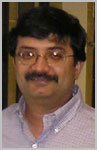
Gopi-K-PodilaGopi K. Podila, 54. Died February 13 at the hand of Neurobiologist Amy Bishop, Indian American biologist, noted academician, and faculty member at the University of Alabama in Huntsville. He listed his research interests as engineering tree biomass for bioenergy, functional genomics of plant-microbe interactions, plant molecular biology and biotechnology. In particular, Padila studied genes that regulate growth in fast growing trees, especially poplar and aspen. He has advocated prospective use of fast growing trees and grasses as an alternative to corn sources for producing ethanol.