Aug 9, 2020 | Globalist Corporations, Hollywood Programming, Video
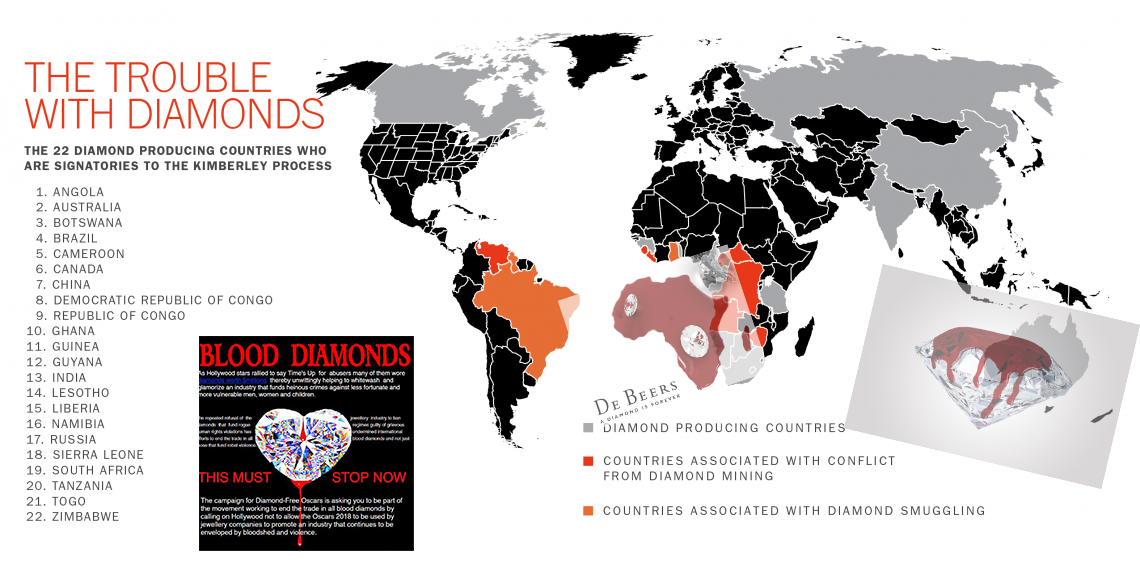
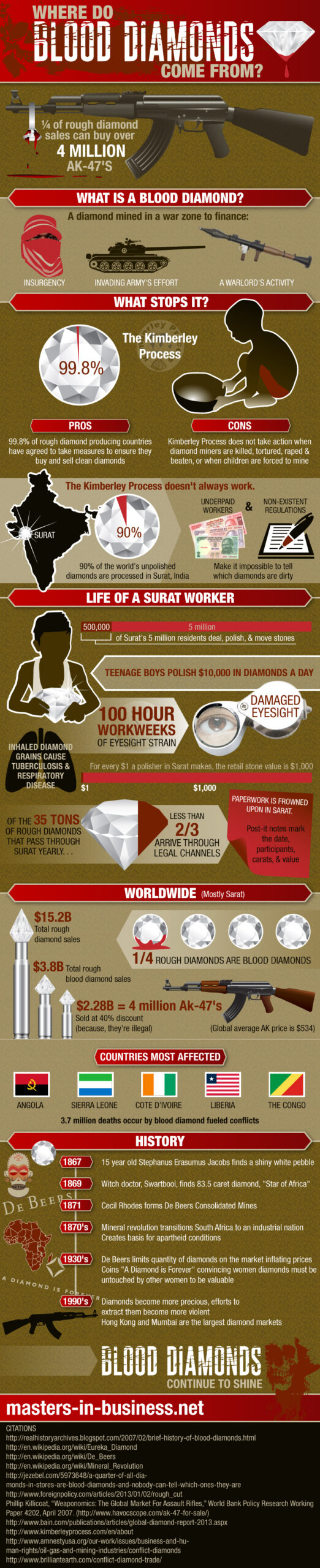
Truth is diamonds are NOT rare … Corporate greed has made them rare
The Diamond Empire
History of Diamonds
Today I Found Out..
The Truth About Diamonds

Aug 14, 2014 | Abuses of Power
The history of prison camps dates way back to the dawn of time, with victorious battles leading to enslavement and eventual death for the defeated. In the middle ages, these practices moved to trades and ransoms. From those ancient times until now, civilizations have battled on how to properly treat prisoners of war, and Gitmo is no different. www.infographicworld.com has created an infographic exploring the history of prisoners of war, along with the present conditions – and the future – of Gitmo.
Gitmo has a sordid history, which was brought prominently into light after the September 11th attacks. Gitmo is a financial hog, costing $454 million in 2013 alone. Since 2002, the naval station has amassed over $5 billion in total costs to the U.S. Since 2002, 779 prisoners have been held at Gitmo, costing $3 million per prisoner per year.
From political lines, to the overall public perception of the prison, this infographic from www.infographicworld.com covers everything you need to know about Gitmo.

May 9, 2012 | Globalist Corporations

Wholesale and distribution
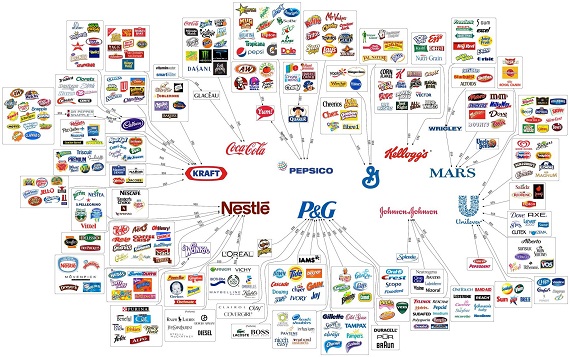
A vast global transportation network is required by the food industry in order to connect its numerous parts. These include suppliers, manufacturers, warehousing, retailers and the end consumers. There are also companies that add vitamins, minerals, and other necessary requirements during processing to make up for those lost during preparation. Wholesale markets for fresh food products have tended to decline in importance in OECD countries as well as in Latin America and some Asian countries as a result of the growth of supermarkets, which procure directly from farmers or through preferred suppliers, rather than going through markets.
The constant and uninterrupted flow of product from distribution centers to store locations is a critical link in food industry operations. Distribution centers run more efficiently, throughput can be increased, costs can be lowered, and manpower better utilized if the proper steps are taken when setting up a material handling system in a warehouse. [1]
Retail
With populations around the world concentrating in urban areas,[5] food buying is increasingly removed from all aspects of food production. This is a relatively recent development, having taken place mainly over the last 50 years. The supermarket is the defining retail element of the food industry, where tens of thousands of products are gathered in one location, in continuous, year-round supply. Restaurants, Cafes, Bakeries and Mobile trucks are also ways consumers can purchase food.
Food preparation is another area where change in recent decades has been dramatic. Today, two food industry sectors are in apparent competition for the retail food dollar. The grocery industry sells fresh and largely raw products for consumers to use as ingredients in home cooking. The food service industry by contrast offers prepared food, either as finished products, or as partially prepared components for final “assembly”.
Food industry technologies
Sophisticated technologies define modern food production. They include many areas. Agricultural machinery, originally led by the tractor, has practically eliminated human labor in many areas of production. Biotechnology is driving much change, in areas as diverse as agrochemicals, plant breeding and food processing. Many other areas of technology are also involved, to the point where it is hard to find an area that does not have a direct impact on the food industry. Computer technology is also a central force, with computer networks and specialized software providing the support infrastructure to allow global movement of the myriad components involved.
Marketing
As consumers grow increasingly removed from food production, the role of product creation, advertising, and publicity become the primary vehicles for information about food. With processed food as the dominant category, marketers have almost infinite possibilities in product creation.
Media & Marketing
A key tool for FMCG marketing managers targeting the supermarket industry includes national titles like The Grocer in the U.K., Checkout in Ireland, Progressive Grocer in the U.S., and Private Label Europe for the entire of the European Union.it
http://en.wikipedia.org/wiki/Food_industry
http://www.foodprocessing.com/top100/index.html

Apr 26, 2012 | Abuses of Power, News
CISPA infographic. Proponents say it’s about national security. Facebook reps say the company openly supports it — and that it isn’t another SOPA. Opponents, including Google, are profoundly against it. Some say it’s SOPA (Stop Online Piracy Act) in disguise. What’s the case opponents are making?
See below. Thanks to +Guy Kawasaki @alltop for turning us on to this CISPA infographic. Graphic credit: Luminconsulting.com

Source: http://anewdomain.net/2012/04/16/cispa-infographic-what-is-it-and-how-is-it-like-sopa-infographic/
Mar 12, 2012 | Activism, Anonymous

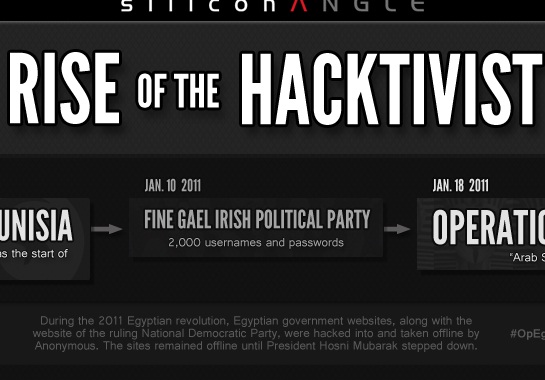
Rise of the Hacktivist: From /b, to Scientology, to the Arab Spring, Through HBGary up to LulzXmas