John R. La Montagne

John R. La Montagne

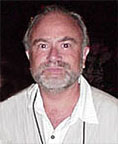
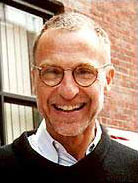
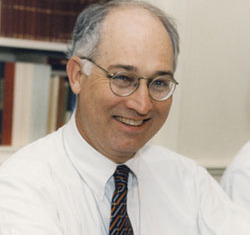
John-R-La-MontagneJohn R. La Montagne, age 61, died on November 2, 2004. Montagne Died while in Mexico, no cause stated, later disclosed as pulmonary embolism. He was a PhD and Head of US Infectious Diseases unit under Tommie Thompson. Montagne Was NIAID Deputy Director and an expert in AIDS Program work and Microbiology and Infectious Diseases.

Vadake Srinivasan

Vadake Srinivasan

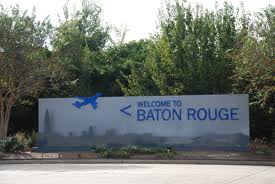
Baton-RougeVadake Srinivasan died March 13, 2004. The Microbiologist crashed car into guard rail in Baton Rouge, LA. The death was ruled a stroke. He was originally from India, and was one of the most-accomplished and respected industrial biologists in academia, and held two doctorate degrees.

Dr. Leland Rickman

Dr. Leland Rickman

Leland-RickmanDr. Leland Rickman, age 47., died on June 24, 2003. Rickman died while on a teaching assignment in Lesotho, a small country bordered on all sides by South Africa. He was a UC San Diego expert on infectious diseases and, since September 11, 2001 a consultant on bioterrorism. He had complained of a headache, but the cause of death was not immediately known. The physician had been working in Lesotho with Dr. Chris Matthews, director of the UC San Diego Medical Center’s Owen Clinic, teaching African medical personnel about the prevention and treatment of AIDS. Rickman, the incoming president of the Infectious Disease Association of California, was a multidisciplinary professor and practitioner with expertise in infectious diseases, internal medicine, epidemiology, microbiology and antibiotic utilization.

Dr. Vladamir “Victor” Korshunov

Dr. Vladamir “Victor” Korshunov

Dr-Vladamir-Victor-KorshunovDr. Vladamir “Victor” Korshunov, age 56, died on February 9, 2002. He was found dead on a Moscow street with his head bashed in. Korshunov was head of the microbiology sub-facility at the Russian State Medical University. He was found dead in the entrance to his home with a head injury. On Feb. 9, the Russian newspaper Pravda reported that Korshunov had probably invented a vaccine protecting from any biological arm.

Dr. Alex Brushlinski

Dr. Alex Brushlinski

Dr-Alexi-BrushlinskiDr. Alexi Brushlinski died in January of 2002. He was a Russian Microbiologist and was murdered in Moscow after a bandit attack. He was well-known around the world and was a member of the Russian Academy of Science.

Dr. Ivan Glebov

Dr. Ivan Glebov

VectorDr. Ivan Glebov died in January 2002. Russian Microbiologist. Glebov died as the result of a bandit attack. He was well-known around the world and was a member of the Russian Academy of Science.


Dr. Don Wiley

Dr. Don Wiley

Dr-Don-WileyDr. Don Wiley, age 57, vanished December 16, 2001. He was a Molecular Biologist with Howard Hughes Medical Institute, Harvard University, top Deadly Contagious Virus expert, abandoned rental car was found on the Hernando de Soto Bridge outside Memphis, TN. He was heavily involved in research on DNA sequencing, and was last seen at around midnight on November 16, leaving the St. Jude’s Children’s Research Advisory Dinner at The Peabody Hotel in Memphis, TN. Associates attending the dinner said he showed no signs of intoxication, and no one has admitted to drinking with him. Body found floating one month later.

Workers at a hydroelectric plant in Louisiana found the body of Don Wiley on Thursday, about 300 miles south of where the molecular biologist was last seen on Nov. 18 at a medical meeting in Memphis. On January 14, 2002 (almost two months later) Shelby County Medical Examiner O.C. Smith announced that his department had ruled Dr. Wiley’s death to be “accidental”; the result of massive injuries suffered in a fall from the Hernando de Soto Bridge. Smith said there were paint marks on Wiley’s rental car similar to the paint used on construction signs on the bridge, and that the car’s right front hubcap was missing. There has been no report as to which construction signs Dr. Wiley hit.

The 5 Unnamed Microbiologists

The 5 Unnamed Microbiologists

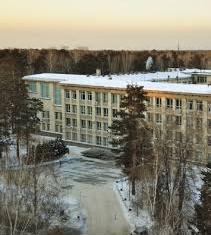
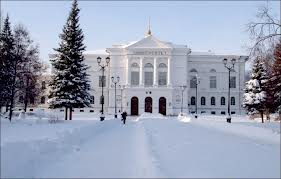
Siberia-UniversityFive Unnamed Microbiologists died on October 4, 2001. Four of Five unnamed microbiologists on a plane that was brought down by a missile near the Black sea on the Russian border. Traveling from Israel to Russia; business not disclosed. 3 scientists were experts in medical research or public health. The plane is believed by many in Israel to have had as many as four or five passengers who were microbiologists. Both Israel and Novosibirsk are homes for cutting-edge microbiological research. Novosibirsk is known as the scientific capital of Siberia. There are over 50 research facilities there, and 13 full universities for a population of only 2.5 million people.

Five Unnamed Microbiologists died on October 4, 2001. Four of Five unnamed microbiologists on a plane that was brought down by a missile near the Black sea on the Russian border. Traveling from Israel to Russia; business not disclosed. 3 scientists were experts in medical research or public health. The plane is believed by many in Israel to have had as many as four or five passengers who were microbiologists. Both Israel and Novosibirsk are homes for cutting-edge microbiological research. Novosibirsk is known as the scientific capital of Siberia. There are over 50 research facilities there, and 13 full universities for a population of only 2.5 million people.Five Unnamed Microbiologists died on October 4, 2001. Four of Five unnamed microbiologists on a plane that was brought down by a missile near the Black sea on the Russian border. Traveling from Israel to Russia; business not disclosed. 3 scientists were experts in medical research or public health. The plane is believed by many in Israel to have had as many as four or five passengers who were microbiologists. Both Israel and Novosibirsk are homes for cutting-edge microbiological research. Novosibirsk is known as the scientific capital of Siberia. There are over 50 research facilities there, and 13 full universities for a population of only 2.5 million people.

Linda Reese

Linda Reese

Michigan-State-UniversityLinda Reese, age 52, died on December 25, 2000 — three days after she studied a sample from Tricia Zailo, 19, a Fairfield, N.J. resident who was a sophomore at Michigan State University. Tricia Zailo died Dec. 18, a few days after she returned home for the holidays. Dr. Reese was a Microbiologist working with victims of meningitis.

Linda Reese, age 52, died on December 25, 2000 — three days after she studied a sample from Tricia Zailo, 19, a Fairfield, N.J. resident who was a sophomore at Michigan State University. Tricia Zailo died Dec. 18, a few days after she returned home for the holidays. Dr. Reese was a Microbiologist working with victims of meningitis.Linda Reese, age 52, died on December 25, 2000 — three days after she studied a sample from Tricia Zailo, 19, a Fairfield, N.J. resident who was a sophomore at Michigan State University. Tricia Zailo died Dec. 18, a few days after she returned home for the holidays. Dr. Reese was a Microbiologist working with victims of meningitis.

Linda Reese, age 52, died on December 25, 2000 — three days after she studied a sample from Tricia Zailo, 19, a Fairfield, N.J. resident who was a sophomore at Michigan State University. Tricia Zailo died Dec. 18, a few days after she returned home for the holidays. Dr. Reese was a Microbiologist working with victims of meningitis.

Linda Reese, age 52, died on December 25, 2000 — three days after she studied a sample from Tricia Zailo, 19, a Fairfield, N.J. resident who was a sophomore at Michigan State University. Tricia Zailo died Dec. 18, a few days after she returned home for the holidays. Dr. Reese was a Microbiologist working with victims of meningitis.Linda Reese, age 52, died on December 25, 2000 — three days after she studied a sample from Tricia Zailo, 19, a Fairfield, N.J. resident who was a sophomore at Michigan State University. Tricia Zailo died Dec. 18, a few days after she returned home for the holidays. Dr. Reese was a Microbiologist working with victims of meningitis.


Mike Thomas

Mike Thomas

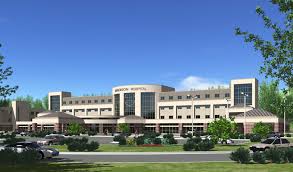
Crestwood-Medical-CenterMike Thomas, age 35, died on July 16, 2000 a few days after examining a sample taken from a 12-year-old girl who was diagnosed with meningitis and survived. He was a microbiologist at the Crestwood Medical Center in Huntsville.Mike Thomas, age 35, died on July 16, 2000 a few days after examining a sample taken from a 12-year-old girl who was diagnosed with meningitis and survived. He was a microbiologist at the Crestwood Medical Center in Huntsville.Mike Thomas, age 35, died on July 16, 2000 a few days after examining a sample taken from a 12-year-old girl who was diagnosed with meningitis and survived. He was a microbiologist at the Crestwood Medical Center in Huntsville.Mike Thomas, age 35, died on July 16, 2000 a few days after examining a sample taken from a 12-year-old girl who was diagnosed with meningitis and survived. He was a microbiologist at the Crestwood Medical Center in Huntsville.Mike Thomas, age 35, died on July 16, 2000 a few days after examining a sample taken from a 12-year-old girl who was diagnosed with meningitis and survived. He was a microbiologist at the Crestwood Medical Center in Huntsville.Mike Thomas, age 35, died on July 16, 2000 a few days after examining a sample taken from a 12-year-old girl who was diagnosed with meningitis and survived. He was a microbiologist at the Crestwood Medical Center in Huntsville.Mike Thomas, age 35, died on July 16, 2000 a few days after examining a sample taken from a 12-year-old girl who was diagnosed with meningitis and survived. He was a microbiologist at the Crestwood Medical Center in Huntsville.Mike Thomas, age 35, died on July 16, 2000 a few days after examining a sample taken from a 12-year-old girl who was diagnosed with meningitis and survived. He was a microbiologist at the Crestwood Medical Center in Huntsville.Mike Thomas, age 35, died on July 16, 2000 a few days after examining a sample taken from a 12-year-old girl who was diagnosed with meningitis and survived. He was a microbiologist at the Crestwood Medical Center in Huntsville.Mike Thomas, age 35, died on July 16, 2000 a few days after examining a sample taken from a 12-year-old girl who was diagnosed with meningitis and survived. He was a microbiologist at the Crestwood Medical Center in Huntsville.Mike Thomas, age 35, died on July 16, 2000 a few days after examining a sample taken from a 12-year-old girl who was diagnosed with meningitis and survived. He was a microbiologist at the Crestwood Medical Center in Huntsville.Mike Thomas, age 35, died on July 16, 2000 a few days after examining a sample taken from a 12-year-old girl who was diagnosed with meningitis and survived. He was a microbiologist at the Crestwood Medical Center in Huntsville.

Sidney Harshman

Sidney Harshman

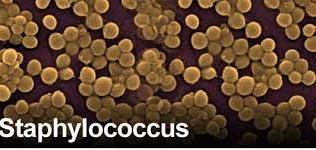
StaphSidney Harshman, age 67, died oSidney Harshman, age 67, died on December 25, 1997, from complications of diabetes. He was a professor of microbiology and immunology. He was the world’s leading expert on staphylococcal alpha toxins.Sidney Harshman, age 67, died on December 25, 1997, from complications of diabetes. He was a professor of microbiology and immunology. He was the world’s leading expert on staphylococcal alpha toxins.n December 25, 1997, from complications of diabetes. He was a professor of microbiology and immunology. He was the world’s leading expert on staphylococcal alpha toxins.

 Sidney Harshman, age 67, died on December 25, 1997, from complications of diabetes. He was a professor of microbiology and immunology. He was the world’s leading expert on staphylococcal alpha toxins.Sidney Harshman, age 67, died on December 25, 1997, from complications of diabetes. He was a professor of microbiology and immunology. He was the world’s leading expert on staphylococcal alpha toxins.Sidney Harshman, age 67, died on December 25, 1997, from complications of diabetes. He was a professor of microbiology and immunology. He was the world’s leading expert on staphylococcal alpha toxins.Sidney Harshman, age 67, died on December 25, 1997, from complications of diabetes. He was a professor of microbiology and immunology. He was the world’s leading expert on staphylococcal alpha toxins.

StaphSidney Harshman, age 67, died oSidney Harshman, age 67, died on December 25, 1997, from complications of diabetes. He was a professor of microbiology and immunology. He was the world’s leading expert on staphylococcal alpha toxins.Sidney Harshman, age 67, died on December 25, 1997, from complications of diabetes. He was a professor of microbiology and immunology. He was the world’s leading expert on staphylococcal alpha toxins.n December 25, 1997, from complications of diabetes. He was a professor of microbiology and immunology. He was the world’s leading expert on staphylococcal alpha toxins.

 Sidney Harshman, age 67, died on December 25, 1997, from complications of diabetes. He was a professor of microbiology and immunology. He was the world’s leading expert on staphylococcal alpha toxins.Sidney Harshman, age 67, died on December 25, 1997, from complications of diabetes. He was a professor of microbiology and immunology. He was the world’s leading expert on staphylococcal alpha toxins.Sidney Harshman, age 67, died on December 25, 1997, from complications of diabetes. He was a professor of microbiology and immunology. He was the world’s leading expert on staphylococcal alpha toxins.Sidney Harshman, age 67, died on December 25, 1997, from complications of diabetes. He was a professor of microbiology and immunology. He was the world’s leading expert on staphylococcal alpha toxins.