In February 2012, a U.S. Air Force special operations surveillance aircraft crashed near Camp Lemonnier in Djibouti, killing all four service members on board. The single-engine U-28A had been returning from an intelligence, surveillance, and reconnaissance mission in support of Operation Enduring Freedom when it went down approximately six miles from the only permanent U.S. military base in Africa.
The Crash and Initial Investigation
The incident occurred at approximately 8 p.m. local time on a Saturday. U.S. personnel from Camp Lemonnier responded to the crash site. Initial assessments indicated that the aircraft was not brought down by hostile fire, though the exact cause remained under investigation.
U.S. Africa Command characterized the flight as “routine,” while Air Force spokesperson Amy Oliver confirmed the U-28A was conducting intelligence gathering in support of the Afghanistan war effort from its forward operating location in the Horn of Africa.
The Four Service Members Killed
The crash claimed the lives of four special operations airmen:
Captain Ryan P. Hall, 30, of Colorado Springs, Colorado — a U-28 pilot with more than 1,300 combat flight hours, assigned to the 319th Special Operations Squadron at Hurlburt Field, Florida.
Captain Nicholas S. Whitlock, 29, of Newnan, Georgia — assigned to the 34th Special Operations Squadron.
First Lieutenant Justin J. Wilkens, 26, of Bend, Oregon — assigned to the 34th Special Operations Squadron.
Senior Airman Julian S. Scholten, 26, of Upper Marlboro, Maryland — assigned to the 25th Intelligence Squadron.
Growing U.S. Military Footprint in East Africa
The crash highlighted the expanding scope of American military operations in East Africa, which had increased significantly in the years leading up to the incident. Camp Lemonnier, situated in the small Horn of Africa nation of Djibouti just miles from the Somali border, served as the primary staging ground for U.S. special operations in the region.
Just weeks before the crash, special operations forces had executed a dramatic hostage rescue deep inside Somalia on January 24, 2012. At the time of the U-28A crash, American author Michael Scott Moore was still being held captive by Somali pirates, though it was unclear whether the intelligence mission had any connection to his case.
The U-28A: A Quiet Workhorse of Special Operations
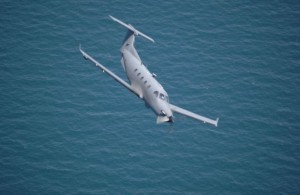
The U-28A is a modified version of the Swiss-designed Pilatus PC-12 turboprop, adapted for intelligence gathering and surveillance missions. Despite its civilian aircraft origins, the U-28A plays a critical role in special operations by providing real-time intelligence to ground forces. The aircraft operates under the Air Force Special Operations Command and is designed for missions that require extended loiter time over areas of interest.
The loss underscored the risks faced by aircrews conducting surveillance operations in austere environments far from public attention, carrying out missions that rarely receive recognition until something goes wrong.