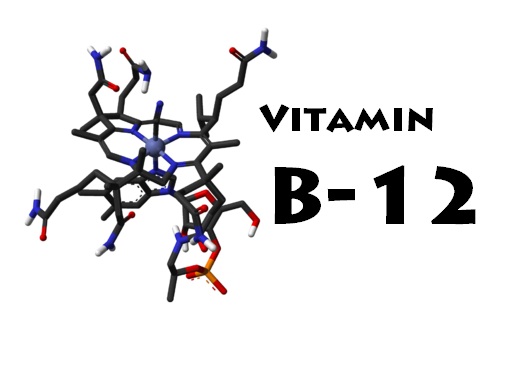
Vitamin B12 has been described as the canary in the coalmine for long-term brain health. A growing body of research underscores how critical this nutrient is for maintaining cognitive sharpness, and deficiency is far more common than most people realize. Understanding the role of B12 in brain function — and recognizing when levels are dangerously low — could be one of the most important steps you take to protect your mental clarity as you age.
How Vitamin B12 Supports Brain Health and Cognitive Function
Research published in the journal Neurology found that individuals with elevated markers of vitamin B12 deficiency were more likely to score lower on cognitive assessments and exhibited smaller total brain volume. This finding suggests that insufficient B12 may contribute directly to brain shrinkage over time.
Additional research from Finland, also published in Neurology, demonstrated that people who regularly consume B12-rich foods may significantly reduce their risk of developing Alzheimer’s disease. For each unit increase in holotranscobalamin — a key marker of B12 status — the risk of Alzheimer’s dropped by two percent. Separate studies have shown that B vitamin supplementation, including B12, can slow brain atrophy in elderly individuals experiencing mild cognitive impairment, a known precursor to Alzheimer’s.
What Vitamin B12 Does in Your Body
Often referred to as the “energy vitamin,” B12 plays a central role in converting carbohydrates into glucose, which serves as the body’s primary fuel source. It also facilitates the conversion of fatty acids into usable energy. Beyond energy production, B12 supports a wide range of critical bodily functions:
- Carbohydrate and fat metabolism
- Nervous system health and normal nerve growth
- Red blood cell formation and proper circulation
- Adrenal hormone production and immune system function
- Mental clarity, concentration, and memory
- Mood regulation and emotional well-being
- Female reproductive health and pregnancy support
Why Vitamin B12 Deficiency Is So Widespread
Vitamin B12 is the largest known vitamin molecule, and its size makes passive absorption difficult. The body requires a specialized protein called intrinsic factor, produced in the stomach lining, to bind with B12 and transport it through the digestive tract for absorption in the terminal ileum at the end of the small intestine.
Data from the U.S. Framingham study indicates that one in four adults is deficient in vitamin B12, while nearly half the population has suboptimal blood levels. Vegetarians and vegans face particular risk since B12 occurs naturally only in animal-derived foods such as meat, fish, eggs, and dairy. However, several other factors also contribute to deficiency:
- Food-cobalamin malabsorption syndrome: This condition occurs when the stomach lining loses its capacity to produce intrinsic factor, preventing the body from absorbing dietary B12 effectively.
- Aging: Intrinsic factor production declines with age, making dietary B12 absorption increasingly difficult and supplementation more important over time.
- Metformin use: This common Type 2 diabetes medication can inhibit B12 absorption, particularly at higher doses.
- Heavy coffee consumption: Drinking four or more cups daily can reduce B vitamin stores by as much as 15 percent.
- Antacid and anti-ulcer medications: These drugs reduce stomach acid production, which is essential for B12 absorption. If you regularly take acid-reducing medication, your ability to utilize B12 from food or supplements is significantly compromised.
- Gastric bypass surgery: Surgical alteration of the digestive tract can severely impair B12 absorption pathways.
- Nitrous oxide exposure: Even occasional exposure to laughing gas can interfere with B12 metabolism.
Why Standard Blood Tests May Miss B12 Deficiency
One of the most problematic aspects of B12 deficiency is that standard blood tests often fail to detect it accurately. Research published in Neurology found that concentrations of B12-related markers — but not serum B12 levels themselves — correlated with both cognitive function and total brain volume.
This means a standard B12 blood test might come back within normal range while the body is actually experiencing functional deficiency. General screening guidelines suggest:
- A B12 concentration below 150 pmol/L indicates clear deficiency requiring investigation and treatment.
- A concentration between 150 and 200 pmol/L warrants testing of serum methylmalonic acid (MMA) levels, as elevated MMA is a more reliable indicator of B12 deficiency.
For individuals experiencing symptoms consistent with B12 deficiency, supplementation is a practical and low-risk approach that can be started immediately while awaiting further testing.
Recognizing the Warning Signs of B12 Deficiency
Mental fogginess and memory problems are among the earliest and most telling indicators of low B12 levels. However, the full range of deficiency symptoms spans physical, mental, and emotional health:
- Persistent fatigue, muscle weakness, and tingling in the extremities
- Difficulty concentrating, mental fog, and sleep disturbances
- Mood changes including apathy, lack of motivation, and depression
- Anemia and neurological or neuropsychiatric conditions
- Increased risk of dementia, heart disease, and certain cancers
- Fertility and childbearing complications
Because B12 is stored in the liver, kidneys, and other tissues, deficiency symptoms may not appear for years after stores begin depleting. This delayed onset is particularly dangerous because after approximately seven years of chronic deficiency, irreversible brain damage can occur.
The Best Way to Supplement Vitamin B12
Vitamin B12 supplementation is considered extremely safe with virtually no known side effects. However, the method of supplementation matters significantly. Standard oral B12 tablets are often poorly absorbed due to the intrinsic factor dependency in the digestive tract.
More effective delivery methods include sublingual sprays or drops that dissolve under the tongue. This approach allows the B12 molecule to bypass the intestinal absorption system entirely, entering the bloodstream directly through the capillaries beneath the tongue. This method is simpler, less invasive, and often more effective than intramuscular B12 injections.
Natural dietary sources of B12 include seafood, beef, chicken, pork, milk, and eggs. For those who do not consume adequate amounts of these foods, or whose absorption capacity is compromised, supplementation provides an inexpensive and reliable way to maintain healthy B12 levels and protect long-term brain function.