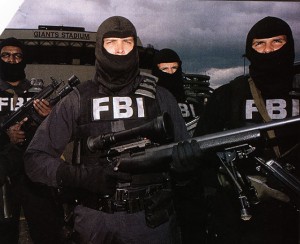
The FBI’s Expanding Definition of Domestic Terrorism
In the years following the September 11 attacks, the FBI broadened its domestic terrorism investigations to include environmental, animal rights, and food activism groups. Documents obtained through the Freedom of Information Act revealed that federal agencies had been monitoring and infiltrating organizations whose activities were primarily peaceful, applying counter-terrorism frameworks to what many considered legitimate advocacy work.
One notable case involved a former Chicago Tribune journalist named Will Potter, who was arrested by Chicago police for distributing leaflets advocating animal rights. After his release, FBI agents visited his home and threatened him with placement on a domestic terrorist list. The experience led Potter to investigate the federal government’s treatment of activist movements, resulting in his book Green is the New Red: An Insider’s Account of a Social Movement Under Siege.
Communication Management Units and Activist Imprisonment
Two specialized federal prison units known as Communication Management Units (CMUs) were established in Indiana and Illinois. According to prison documentation, these self-contained housing units were designated for prisoners requiring “increased monitoring of communication” to “protect the public.” Environmental and animal rights activists were among those transferred to CMUs from minimum-security facilities, often without prior notice or due process.
The CMUs imposed restrictions on phone calls, visiting hours, and mail that exceeded even those at maximum-security prisons. All communications were closely monitored. Bureau of Prisons mission statements indicated that CMUs were designed in part to prevent individuals with “inspirational significance” from communicating with their organizations, the media, or the general public.
Food Activism Under Federal Scrutiny
FOIA documents disclosed that the FBI’s surveillance extended to food activism organizations. The group Food Not Bombs, which organized vegetarian meals in public parks to feed homeless populations and conducted advocacy around food distribution policy, faced repeated federal attention. As early as 1989, military-run domestic training courses cited Food Not Bombs as a case study for what they termed one of “America’s most hardcore terrorist groups.”
Members of the organization reported being placed under surveillance, and public park feeding events were forcibly shut down by authorities on multiple occasions. The pattern extended to raids on raw milk distributors, family farms, private vegetable gardens, and food storage facilities. Reports indicated that private security agents from large agricultural corporations were also involved in monitoring food activist groups and sharing information with federal agencies.
The Debate Over Domestic Terrorism Classifications
While some environmental and animal rights groups did occasionally engage in acts of property destruction or vandalism, the overwhelming majority of targeted activism consisted of peaceful demonstrations and informational campaigns. Critics argued that applying terrorism designations to these activities effectively criminalized dissent and suppressed constitutionally protected speech.
The expansion of domestic terrorism definitions to include food, environmental, and animal welfare activism represented a significant broadening of federal surveillance authority. The use of terrorism-related prison facilities for activists whose offenses would typically warrant minimal-security incarceration raised questions about whether the classification system was being used to silence political speech rather than address genuine security threats.