When the NSA Targeted a Parody T-Shirt
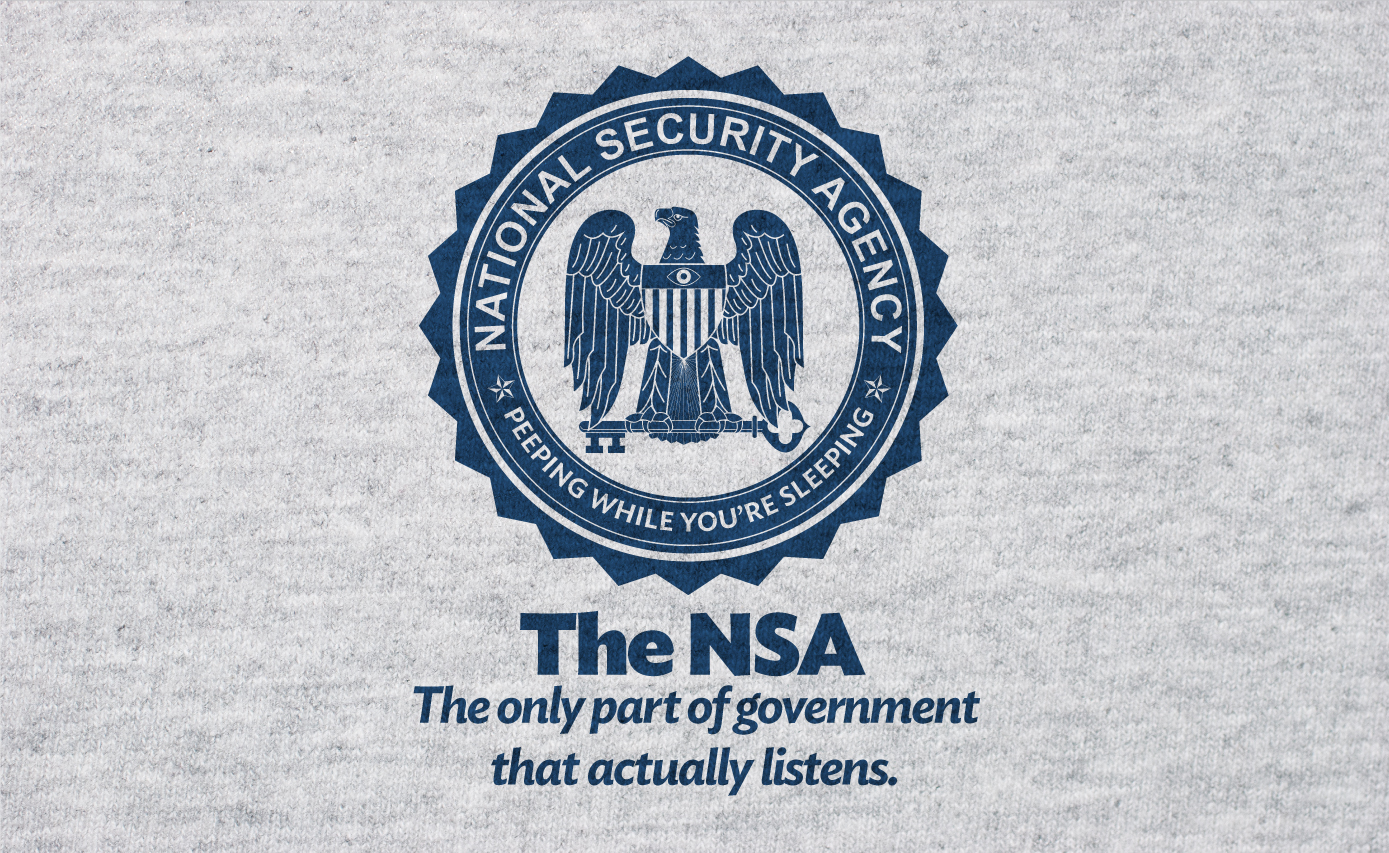
In the wake of Edward Snowden’s revelations about the National Security Agency’s mass surveillance programs in 2013, Americans responded in various ways. Among the more lighthearted reactions was a parody T-shirt created by Dan McCall, founder of the politically themed clothing company Liberty Maniacs. The shirt bore the slogan: “NSA: The only part of the government that actually listens.”
Intellectual Property Claim Pulls the Product
Within hours of the shirt appearing on the online marketplace Zazzle, the company removed it. McCall, who had been a Zazzle seller for five years, received a notification stating that his product contained content conflicting with the platform’s acceptable content guidelines.
When McCall pressed for details, Zazzle’s follow-up response was more specific: the product had been removed at the request of legal representatives from the National Security Agency, who claimed it infringed upon the agency’s intellectual property rights. The NSA had apparently asserted trademark claims over the use of its name and imagery in the parody design.
Parody, Free Speech, and Government Overreach
The incident raised significant questions about the intersection of intellectual property law, parody protections, and government power. Parody has a long-established history of protection under the First Amendment, and courts have generally held that satirical uses of trademarks qualify as fair use, particularly when no reasonable consumer would confuse the parody with an official product.
The fact that a government intelligence agency chose to invoke trademark law against a joke T-shirt struck many observers as an ironic demonstration of the very overreach the shirt was mocking. Rather than addressing genuine national security threats, the agency appeared to be devoting resources to suppressing humorous criticism of its surveillance activities.
The Streisand Effect in Action
As is often the case when powerful entities attempt to suppress speech, the NSA’s actions had the opposite of their intended effect. Media coverage of the takedown brought far more attention to the parody shirt than it would have received otherwise. McCall’s case became a widely cited example of government agencies using intellectual property claims to silence criticism, and it contributed to broader conversations about whether federal agencies should be permitted to use trademark enforcement as a tool for controlling their public image.
The episode served as a reminder that humor and satire remain among the most persistent tools citizens use to push back against perceived government overreach, and that attempts to suppress such expression often only amplify the message.