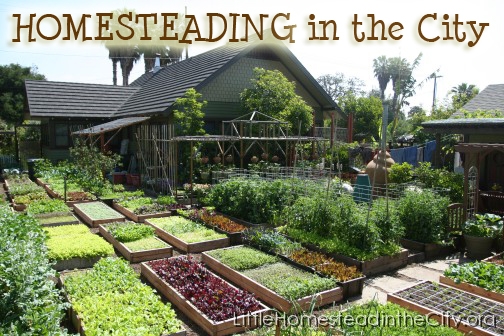
The movement toward self-sufficiency has expanded far beyond rural farms and off-grid cabins. Urban dwellers, suburban families, and apartment renters are all discovering practical ways to produce their own food, reduce dependence on fragile supply chains, and build resilience into their daily lives. Whether you have acres of land or a small balcony, these homesteading strategies can help you take meaningful steps toward greater autonomy.
Build a DIY Aquaponics System for Year-Round Produce
Aquaponics combines fish farming with soilless plant cultivation in a closed-loop system that is remarkably efficient. Fish produce ammonia-rich waste, which naturally occurring nitrifying bacteria convert first into nitrite and then into nitrate. Plants absorb the nitrate as fertilizer, cleaning the water in the process before it recirculates back to the fish tank.
The beauty of aquaponics lies in its scalability. A compact system capable of fitting inside a closet can produce fresh herbs and leafy greens throughout the year. Larger setups in a garage or backyard can yield substantial harvests of vegetables like tomatoes, peppers, cucumbers, and lettuce alongside edible fish such as tilapia or catfish.
While commercial aquaponics kits can run into thousands of dollars, resourceful homesteaders have built functional systems for around one hundred dollars using basic materials like storage totes, aquarium pumps, and grow media. The key components are a fish tank, a grow bed, a water pump, and an air pump for oxygenation. Once established, the system requires minimal maintenance beyond feeding the fish and occasional pH monitoring.
Raise Backyard Chickens for Fresh Eggs and Pest Control
Few homesteading projects deliver as much daily satisfaction as keeping a small flock of laying hens. Backyard chickens require surprisingly little space, are relatively low-maintenance compared to other livestock, and provide a steady supply of eggs with rich golden yolks that far surpass anything available at a grocery store.
Research consistently shows that eggs from pasture-raised chickens contain higher levels of omega-3 fatty acids, more vitamin E, and greater concentrations of beta-carotene compared to eggs from confined commercial operations. The difference is visible in the deep orange color of the yolks.
Chickens are enthusiastic omnivores that will consume kitchen scraps, garden waste, insects, and weeds with equal gusto. This makes them excellent composters and natural pest controllers. Their manure, when properly composted, becomes rich fertilizer for garden beds, creating another closed loop in your homestead ecosystem.
Before starting a flock, check local ordinances regarding poultry keeping. Many municipalities now permit small backyard flocks, though regulations on coop placement, flock size, and rooster restrictions vary. A well-built coop needs adequate ventilation, protection from predators, nesting boxes for egg laying, and roosting bars for sleeping.
Master the Art of Fermentation for Food Preservation and Nutrition
Long before refrigeration existed, cultures around the world relied on fermentation to preserve food, enhance nutrition, and create complex flavors. This ancient practice is experiencing a modern revival as homesteaders discover its remarkable benefits for both food security and gut health.
Fermented foods are living ecosystems of beneficial bacteria that support healthy digestion, strengthen immune function, and unlock nutrients that are otherwise inaccessible in raw or cooked foods. The fermentation process also naturally preserves food without refrigeration when properly prepared and stored, making it an invaluable skill for anyone building long-term food resilience.
Getting started with fermentation is surprisingly straightforward. Sauerkraut and kimchi require nothing more than fresh vegetables, salt, and a mason jar. Yogurt and kefir transform ordinary milk into probiotic-rich dairy products using simple starter cultures. Kombucha converts sweetened tea into a tangy, fizzy beverage teeming with beneficial organisms. Miso paste, a high-protein seasoning that forms the base of countless Asian dishes, is made from fermented soybeans and can be prepared at home with patience.
Each of these fermented foods has been a dietary staple in traditional cultures for centuries or millennia. Incorporating them into your homestead kitchen adds nutritional depth, extends the shelf life of your harvest, and connects you to food traditions that have sustained communities through every kind of disruption.
Learn Fiber Arts for Clothing and Essential Supplies
The ability to create textiles by hand may seem like a quaint hobby in an era of inexpensive mass-produced clothing, but it is actually one of the most practical survival skills a homesteader can develop. Knowing how to knit, crochet, weave, or sew transforms raw materials into warm clothing, durable blankets, functional bags, and household items.
These skills scale in ways that might not be immediately obvious. The same techniques used to knit a scarf can be adapted to produce rope, cordage, netting for fishing or garden trellising, and even structural materials for shelter. In a prolonged disruption scenario where supply chains break down, the ability to repair, modify, and create clothing and gear from available materials becomes genuinely life-sustaining.
Starting with basic knitting or crochet requires minimal investment. A pair of needles and a skein of yarn is enough to begin learning fundamental stitches. From there, skills naturally progress toward increasingly complex and useful projects. Many homesteaders eventually learn to process raw fiber from animals like sheep, goats, or rabbits, completing the full cycle from animal husbandry to finished garment.
Getting Started on Your Homesteading Journey
The most important principle in homesteading is simply to begin. You do not need a sprawling rural property to start producing food and building self-reliance. A single container garden on a patio, a few mason jars of fermenting vegetables on the kitchen counter, or a weekend spent learning to knit all represent meaningful first steps.
Each skill you develop reduces your dependence on systems that may not always be reliable. Each pound of food you grow or preserve represents genuine security that exists independent of supply chains, grocery store shelves, or economic conditions. And each project builds confidence and competence that naturally leads to the next.
The homesteading movement continues to grow because its core proposition is timeless: human beings thrive when they possess the knowledge and capability to meet their own fundamental needs. In an era of increasing complexity and uncertainty, that simple truth has never been more relevant.