Nobel Nomination for the WikiLeaks Source
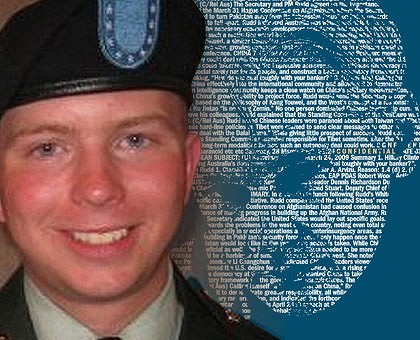
In February 2012, U.S. Army Private Bradley Manning was nominated for the Nobel Peace Prize. Manning had been accused of orchestrating one of the largest leaks of classified information in American military history, providing WikiLeaks with more than 250,000 diplomatic cables, 400,000 Army reports from Iraq, 90,000 reports from Afghanistan, and the footage that became the widely viewed “Collateral Murder” video.
Manning was arrested in May 2010 and spent nine months in detention, initially in solitary confinement at the Marine Corps Brig in Quantico, Virginia, before being transferred to a medium-security facility at Fort Leavenworth, Kansas. Formal charges were not brought until nearly a year after the arrest.
Facing 22 Charges Including Aiding the Enemy
The military charged Manning with 22 separate offenses. The most severe was “aiding the enemy,” which carried a potential death sentence, though Army prosecutors stated they would seek life imprisonment rather than execution if a guilty verdict was returned. Additional charges included unauthorized disclosure of classified information, knowingly causing intelligence to be published where enemies could access it, and violations of Army computer use regulations.
A Contested Legacy Among 191 Nominees
The Norwegian Nobel Committee received 191 individual nominations and 43 organizational nominations that year. The committee sends thousands of solicitation letters annually to qualified nominators including lawmakers, university professors, and prominent public figures. While the full list of nominees remains sealed for 50 years, individual nominators may choose to publicly announce their selections.
Other notable nominees that year included former Ukrainian Prime Minister Yulia Tymoshenko and Russian human rights activist Svetlana Gannushkina. The winner would be announced in October, with the possibility of a shared prize among multiple recipients.