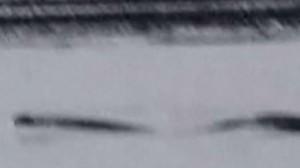
Fishermen Capture Footage of Unidentified Creature in Alaskan Waters
In 2009, fishermen in Alaska recorded grainy black-and-white footage of what appeared to be a 20- to 30-foot-long creature moving through the water. The video, shot on a rainy day with a shaky camera, was far from conclusive but generated significant interest among both cryptozoology enthusiasts and marine researchers.
The footage reignited discussion about a creature known as Cadborosaurus willsi, named after Cadboro Bay in British Columbia where sightings were first reported centuries ago. Nicknamed “Caddy,” the creature is described as having a long neck, a horse-like head, large eyes, and humps that protrude above the water’s surface.
Two Centuries of Reported Sightings in the North Pacific
Reports of encountering large, unidentified marine animals in the North Pacific had circulated for roughly 200 years by the time the 2009 footage surfaced. In 1937, scientists believed they may have found physical evidence when what appeared to be a sea serpent was discovered inside the stomach of a whale. However, the specimen was never conclusively identified, and the creature remained classified within the field of cryptozoology, meaning it had no formal recognition from the mainstream scientific community.
The sightings shared common characteristics across decades: witnesses consistently described a large, serpentine creature with a distinctive head shape and undulating body movements that did not match any known marine species in the region.
Reality Television Joins the Search
The Alaska footage attracted the attention of Andy Hillstrand, a veteran of the reality television show “Deadliest Catch,” who pursued the creature for his program “Hillstranded.” Hillstrand reported his own sighting, describing a large, long white object moving through the water that he and his crew chased for approximately 20 minutes. He noted that spray came from its head and stated it was definitively not a shark, adding that he had never encountered anything like it in his years at sea.
Whether the Alaska creature represented an undiscovered species, a case of misidentification of known marine animals, or simply the persistence of maritime folklore in the age of video cameras remained an open question. The footage added another chapter to one of the Pacific Northwest’s most enduring mysteries without providing the definitive proof that would settle the debate.