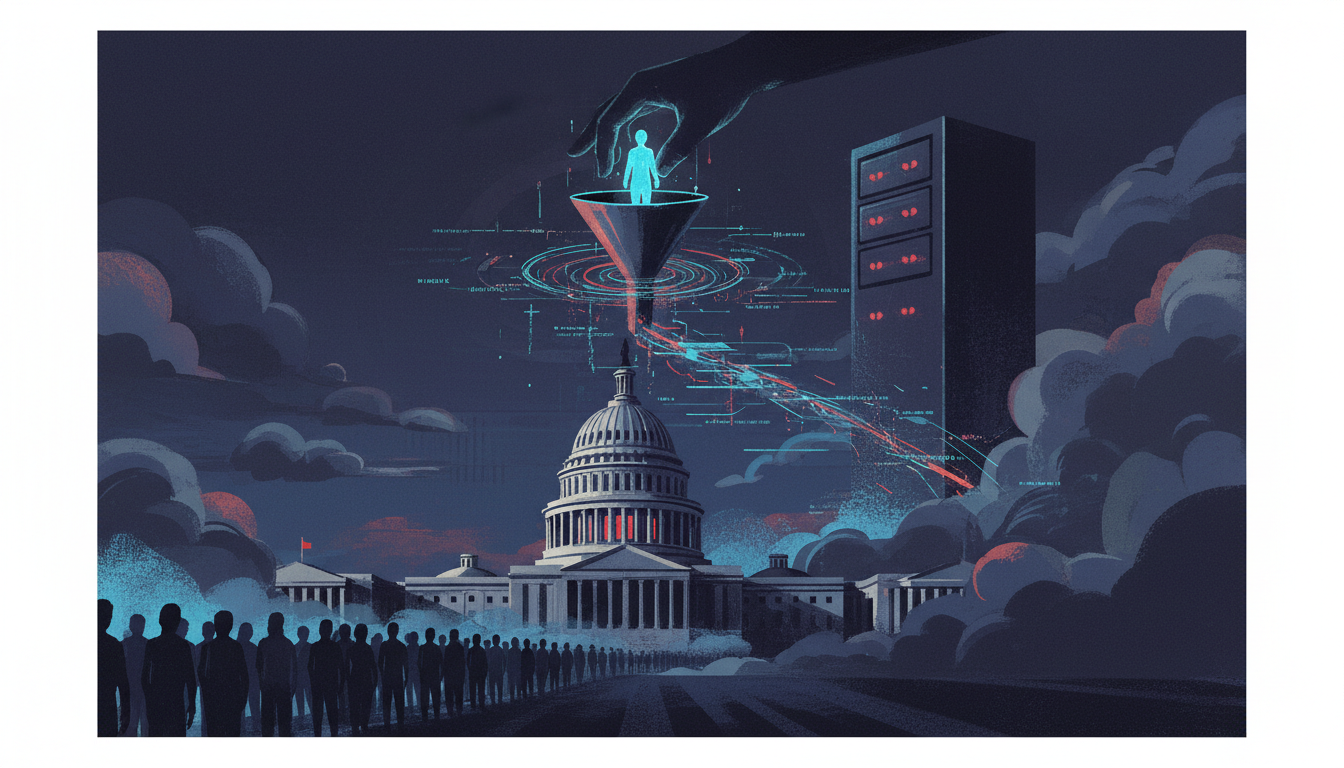
The Selective Service System has submitted proposed regulations to the White House for “automatic” draft registration, marking the first visible step toward implementing a Congressional mandate that will fundamentally change how the federal government identifies and tracks potential military conscripts.
On March 30th, the agency sent its regulatory framework to the Office of Information and Regulatory Affairs for review, implementing requirements from the National Defense Authorization Act passed by Congress in December. The measure received bipartisan support and requires automatic registration for “every male citizen of the United States” and “every other male person” between ages 18 and 26.
From Voluntary Compliance to Automatic Enrollment
Since President Jimmy Carter signed draft registration into law in 1980, the federal government has relied on voluntary compliance. Men between 18 and 25 were required to register within 30 days of their 18th birthday, with late registration permitted until age 26. The Selective Service reported that in 2024, only 81% of eligible men registered, representing a 3 percentage point drop from the previous year.
The new automatic system will capture not only U.S. citizens but also green-card holders, refugees, asylum seekers, and undocumented men. Those on nonimmigrant visas remain exempt from registration requirements.
Currently, 46 states and territories already have automatic registration systems in place, typically through Department of Motor Vehicles processes when individuals apply for driver’s licenses or state identification cards. The federal mandate will extend this practice nationwide by December.
Expanding Data Collection and Disclosure Powers
Beyond automatic registration, the Selective Service System has proposed significant expansions to its data sharing capabilities. In December, the agency filed a System of Records Notice seeking to broadly expand its ability to disclose personal information to law enforcement agencies.
The Electronic Privacy Information Center and seven other civil liberties organizations filed objections to these proposed changes in January. Their concerns center on the agency’s request to disclose information to “any law enforcement authority” if it believes that information may indicate even a potential violation of any law.
The Selective Service maintains extensive personal data on millions of U.S. persons subject to potential military draft, including citizenship and immigration status, banking information, addresses, and Social Security numbers. Privacy advocates argue that open-ended disclosure to unnamed law enforcement agencies violates Privacy Act protections and increases risks of data misuse.
Legal Consequences and Federal Benefits
Failure to register for Selective Service carries serious legal and practical consequences. Non-registration constitutes a felony under the Military Selective Service Act, potentially resulting in up to five years imprisonment and fines up to $250,000.
Beyond criminal penalties, unregistered men lose access to federal student aid, certain federal employment opportunities, and other government benefits. These enforcement mechanisms have remained in place despite the absence of an active military draft since February 1973, when conscription ended during the Vietnam War.
Historical draft statistics show the scale of past military conscription: 2.8 million men were drafted during World War I, 10.1 million during World War II, 1.5 million during the Korean War, and 1.9 million during the Vietnam War.
Privacy Concerns in an Era of Data Consolidation
Privacy advocates warn that the timing of these expanded data collection and sharing powers coincides with broader federal efforts to consolidate personal information across agencies. The Department of Homeland Security and other federal entities have faced criticism for accessing and consolidating personal data in ways that civil liberties groups argue violate existing privacy protections.
The Electronic Privacy Information Center specifically noted that “open-ended disclosure of information to unnamed law enforcement is not compatible with the purposes of SSS systems, violates the trust of affected individuals, and impermissibly increases the risk that the sensitive information with which the agency is entrusted will be lost, misused, or abused by recipient agencies.”
The proposed changes represent a significant shift from the current system’s limited data sharing arrangements to a framework that would allow broad information disclosure based on the agency’s subjective determination that data “may indicate” potential legal violations.
Implementation Timeline and Oversight
The automatic registration system is scheduled to take effect in December, following the White House review of the Selective Service System’s proposed regulations. The regulatory review process provides opportunity for public comment and administrative oversight before final implementation.
While there are currently no formal plans to reinstate military conscription, the infrastructure being established through automatic registration and expanded data collection creates the framework for rapid activation of draft processes should they be deemed necessary by future administrations.
The convergence of automatic registration with expanded law enforcement data sharing represents a fundamental change in how the federal government approaches military conscription preparation and personal data management for millions of American men.
This article draws on reporting from Activist Post, CNBC, CNN, and Electronic Privacy Information Center.