Classified Documents Reveal British Intelligence Ties to Gaddafi’s Libya
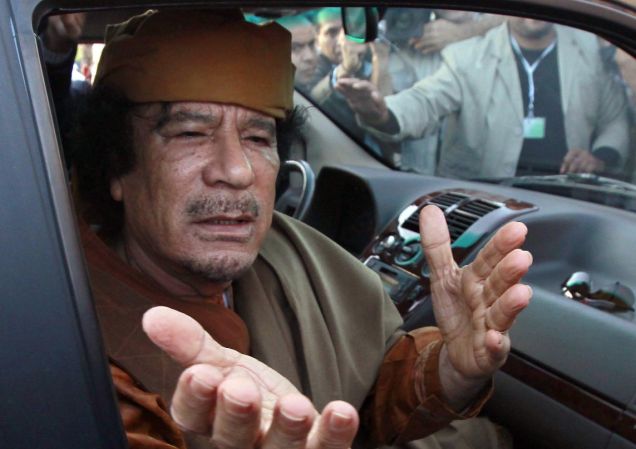
The United Kingdom’s intelligence-sharing relationship with Muammar Gaddafi’s Libyan regime came under intense scrutiny in 2012 following the release of previously classified documents from Libyan government archives. The files, disclosed by the new government in Tripoli after Gaddafi’s overthrow, provided documentary evidence of cooperation between British intelligence agencies and the Gaddafi regime that extended well beyond what had been publicly acknowledged.
MI5 Accused of Handing Defector Information to Libyan Intelligence
According to reports based on the archived documents, agents from the British Secret Service supplied confidential information to their Libyan counterparts about individuals who had fled the Gaddafi regime and sought refuge abroad. This meant that people who had escaped Libya and believed themselves safe were potentially being tracked by the very intelligence services of the country they had fled, with the assistance of British agencies.
MI6 Allegedly Helped Establish a Radical Mosque to Trap Militants
Separate reporting indicated that MI6 worked in conjunction with Libyan intelligence to establish a radical mosque in a western European city as a sting operation designed to attract and identify al-Qaida-linked operatives. The operation represented a direct collaboration between British foreign intelligence and one of the most authoritarian regimes in North Africa.
Rendition Allegations and Legal Action Against British Officials
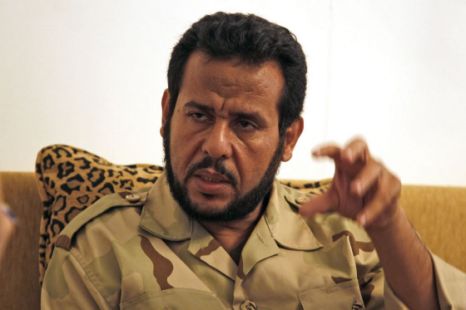
The revelations coincided with legal action by Abdel Hakim Belhadj, a former Libyan rebel commander who had helped overthrow Gaddafi. Belhadj’s lawyers alleged that former Foreign Secretary Jack Straw personally authorized his rendition to Libya in 2004, when Belhadj had been seeking asylum in the United Kingdom. The case highlighted the extent to which Western intelligence agencies had cooperated with the Gaddafi regime during the early years of the War on Terror.
The Home Office stated it would “take seriously” any allegations against the security services, and Parliament’s Intelligence and Security Committee confirmed it was evaluating the government’s historical relationship with Libya.