The Grievances Behind Occupy Wall Street
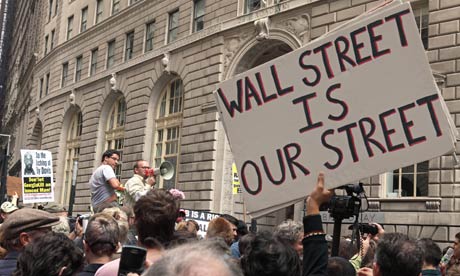
In September 2011, approximately 2,000 protesters gathered on Wall Street in lower Manhattan to launch what would become one of the most significant populist movements in recent American history. Unlike the Tea Party movement, which had received extensive media coverage from its inception, the Occupy Wall Street protests initially drew remarkably little mainstream press attention despite comparable numbers.
The demonstrators represented a broad cross-section of Americans, predominantly young, united by a shared frustration with what they characterized as unchecked financial speculation and the growing concentration of wealth. Their rallying message was direct: they represented the 99 percent who would no longer accept the greed and corruption of the 1 percent.
The Financial Crisis That Sparked the Movement
The 2008 financial crisis served as the primary catalyst. Virtually unregulated speculation by major Wall Street institutions had triggered a global economic meltdown, destroying trillions of dollars in household wealth, devastating the housing market, and eliminating millions of jobs. The federal government responded with massive bailouts that rescued the very banks whose reckless behavior had caused the crisis, while ordinary homeowners and workers received comparatively little relief.
New York Mayor Michael Bloomberg drew a parallel to international unrest, noting that college graduates unable to find employment was precisely the condition that had fueled uprisings in Cairo and Madrid. Whether intentionally or not, his comparison underscored the depth of economic frustration driving the protests.
The Double Standard of Debt
Anthropologist David Graeber, author of Debt: The First 5,000 Years and one of the movement’s early organizers, articulated a central grievance. During the 2008 crash, enormous debts between banks were renegotiated rapidly and with substantial government support. Yet distressed homeowners facing foreclosure received only a fraction of that consideration.
Graeber argued that throughout history, debts between the wealthy or between governments have always been subject to renegotiation. It is only when debts are owed by the poor to the rich that they become treated as sacred and immutable obligations. This asymmetry, he contended, was at the heart of the economic injustice the movement sought to expose.
Political Responses and the Question of Taxation
The Obama administration proposed a jobs plan alongside deficit reduction measures, including a tax increase on millionaires endorsed by billionaire investor Warren Buffett. Republican opponents immediately labeled the proposal class warfare. Critics within the protest movement viewed the entire exchange with skepticism, predicting that the tax proposals were symbolic gestures destined to be defeated, while actual policy outcomes would likely involve further cuts to social services.
This dynamic illustrated a broader disillusionment. Many young Americans had concluded that appealing to politicians through conventional channels was futile, as the political system appeared structurally incapable of addressing the fundamental imbalance of power between concentrated financial interests and the general public.
The Movement Takes Shape
By the fourth day of occupation, protesters had established a functioning general assembly and maintained their presence in the plaza despite constant police surveillance. They organized a symbolic opening bell ceremony at 9:30 AM, timed to coincide with the New York Stock Exchange opening, calling it a peoples exchange.
The contrast between the scene inside the bailed-out banks and outside on the streets, where protesters were being arrested for the act of peacefully assembling, captured the fundamental tension the movement sought to highlight. The question of who was truly responsible for the economic crisis, and who was bearing its consequences, remained at the center of the debate that Occupy Wall Street brought into public view.