
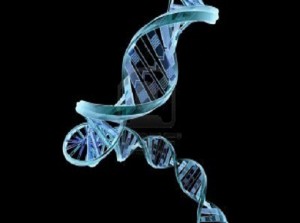
Encoding an Entire Book in DNA
In 2012, Harvard geneticist George Church and his research team accomplished something remarkable: they encoded an entire book — complete with text, images, and HTML formatting — into strands of DNA. The book, titled Regenesis: How Synthetic Biology Will Reinvent Nature and Ourselves, existed in roughly 70 billion copies before it even reached bookstore shelves, each copy stored in molecular form.
Church, the Robert Winthrop Professor of Genetics at Harvard Medical School and a founding core faculty member of the Wyss Institute for Biomedical Engineering, led a project that stored 1,000 times more data in DNA than any previous experiment. The work demonstrated that biology’s own information storage system could serve as a practical medium for preserving digital data.
Why DNA as a Storage Medium
DNA possesses several properties that make it extraordinarily attractive for data storage. It is fantastically dense, stable at room temperature, energy efficient, and has a proven track record stretching back approximately 3.5 billion years. Church emphasized the stability advantage: DNA can survive in virtually any environment — deserts, backyards, or anywhere else — and remain readable for hundreds of thousands of years.
The density figures were staggering. The research team achieved an information density of 5.5 petabits (roughly 1 million gigabits) per cubic millimeter. Senior scientist Sri Kosuri noted that this density compared favorably with other experimental storage methods from both biology and physics. Theoretically, about four grams of DNA could store all of the digital data that humanity produces in an entire year.
The Technical Approach
Rather than inserting data into living organisms, Church’s team used commercial DNA microchips to create standalone synthetic DNA. This decision was deliberate. In a living cell, an encoded message represents only a tiny fraction of the total DNA, wasting space. More critically, if the inserted DNA sequence does not provide an evolutionary advantage to the cell, the organism will begin mutating it and may eventually delete it entirely.
The encoding strategy drew from information technology rather than traditional genetics. The team converted the book into binary code and organized it into 54,898 data blocks of 96 bits each. Every block included a 19-bit address to guide reassembly, analogous to how digital files are broken into packets for transmission and then reconstructed at their destination. Each data block corresponded to a unique DNA sequence.
The team also rejected the common genetic technique of “shotgun sequencing,” which reassembles long DNA sequences by finding overlaps in short fragments. Their approach was more precise and scalable, treating DNA explicitly as a digital storage medium rather than as a biological one.
Limitations and Practical Applications
DNA storage had clear trade-offs. Reading and writing data in DNA was significantly slower than in conventional digital media, making the technology better suited for archival storage of massive datasets than for applications requiring quick retrieval or real-time processing.
Church illustrated the potential use case with an analogy: imagine inexpensive molecular recorders everywhere, passively capturing data with minimal energy consumption. Most of the time no one would access them, but when something significant occurred, the recordings could be retrieved and read. The extreme density and energy efficiency of DNA storage opened possibilities that were simply impossible with existing technologies.
Ethical Considerations and Restraint
The research team considered including a DNA copy of the book with each printed edition. However, Church and his co-author, science writer Ed Regis, had argued throughout the book itself for careful supervision of synthetic biology and rigorous oversight of its products and tools. Practicing what they preached, the authors decided against distributing DNA inserts until broader discussion of the safety, security, and ethical implications of the technology had taken place.
The research, published in Science, was supported by the U.S. Office of Naval Research, Agilent Technologies, and the Wyss Institute. It represented a significant step toward a future in which the molecule that nature evolved to store the blueprints of life could also preserve the accumulated knowledge of human civilization.