A Filmmaker Detained Dozens of Times at U.S. Borders
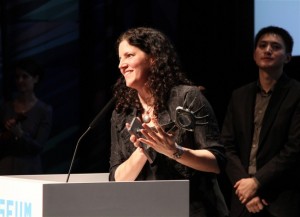
Laura Poitras, an acclaimed documentary filmmaker whose work examined the consequences of the War on Terror, was subjected to systematic harassment by the Department of Homeland Security every time she returned to the United States from overseas. The pattern of detentions, interrogations, and device seizures continued for years, despite DHS internally concluding that their questioning had produced nothing of intelligence value.
What Happened at the Border
Each time Poitras entered the country, DHS agents detained her for questioning — sometimes for three to four hours. Her laptop, camera, and cellphone were seized on multiple occasions and not returned for weeks, with their contents presumably copied. Reporter’s notebooks were confiscated and duplicated despite her objections that doing so violated the journalist-source privilege. Credit cards and receipts were photocopied.
On some trips, DHS agents confronted her at foreign airports before her return flight, on at least one occasion telling her she would be barred from boarding, only to relent at the last moment. During a Thanksgiving 2010 arrival at JFK Airport, a DHS agent told her he found it “very suspicious” that she was unwilling to “help your country by answering our questions.” Agents consistently pressured her with the implication that cooperation would shorten her detention.
The Chilling Effect on Journalism
The sustained campaign of border harassment forced Poitras to fundamentally alter how she conducted her work. She stopped traveling with electronic devices. She used alternative channels to transport her most sensitive materials — raw film footage and interview notes — to secure locations. She invested significant time and resources in encrypting her computers and implementing password protections.
While in the United States, Poitras avoided discussing her work by phone, especially with sources. She refused to edit films at her home out of well-founded concern that government agents might attempt to search and seize raw footage. Each of these precautions consumed time and resources that would otherwise have gone directly into her journalism.
The Documentaries That Drew Scrutiny
Poitras produced a series of documentaries examining the human consequences of post-September 11 American foreign and domestic policy. Her work explored the emotional aftermath of Ground Zero, the experiences of Iraqi political candidates who opposed the U.S. occupation, and the broader implications of practices including indefinite detention and enhanced interrogation.
A central theme of her filmmaking was the argument that the most controversial elements of the War on Terror — the wars in Iraq and Afghanistan, the expansion of surveillance, the use of torture, indefinite detention — were not inevitable consequences of the September 11 attacks but deliberate policy choices. As Poitras framed it: “Those are things that we chose.” The implication was that choices made could also be reversed.
No Intelligence Value, No Accountability
Perhaps the most revealing detail in the case was that DHS’s own internal review concluded the interrogations of Poitras had yielded nothing of value. Yet the detentions continued. No public explanation was offered for why the agency persisted in a practice that its own assessment deemed unproductive.
The case raised fundamental questions about the use of border authority as a tool for pressuring journalists whose work challenged government policy. It also highlighted the tension between national security powers and press freedom — a tension that would only intensify in the years that followed, as Poitras went on to play a central role in reporting the Edward Snowden NSA surveillance revelations in 2013.