How Western Governments Used Graphic Videos to Build Support for Military Action
In the fall of 2014, a wave of alleged execution videos attributed to the Islamic State (ISIS, also known as IS or ISIL) dominated global headlines. These recordings, depicting masked militants apparently killing captive journalists and aid workers, generated widespread public outrage and became central to justifying a new round of Western military intervention in the Middle East.
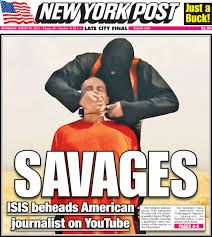
The James Foley Video: Forensic Questions About Authenticity
The first major recording surfaced in August 2014, reportedly showing American journalist James Foley kneeling before a black-clad, masked figure holding a blade. The footage cut to black at the critical moment, with a subsequent still image purporting to display the aftermath. Forensic analysis conducted by a British firm that had previously consulted for law enforcement agencies across the United Kingdom raised significant doubts about the recording’s authenticity. Their examination of the four-minute, forty-second clip identified apparent use of camera manipulation and sophisticated post-production editing. Notably, investigators observed that despite the blade being drawn across the neck region at least six times, no blood was visible at any point in the footage.
Despite these forensic concerns, American media outlets continued presenting the recording as depicting an authentic killing.
Steven Sotloff and the Pattern of Questionable Footage
A second recording emerged in early September 2014, this time reportedly showing the execution of American journalist Steven Sotloff. The accompanying statement declared it a response to continued U.S. airstrikes, warning that militant blades would continue targeting Western citizens as long as coalition missiles struck their territory. Like the Foley footage, this video showed no visible blood before the screen went dark, raising the same forensic red flags.
SITE Intelligence Group: The Mysterious Source Behind the Videos
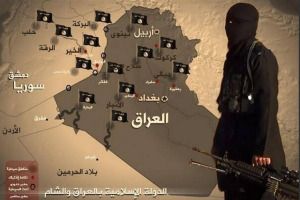
Both Foley and Sotloff maintained connections to intelligence circles, as did the organization responsible for distributing the recordings to media outlets. The SITE Intelligence Group (Search for International Terrorist Entities), established in 2001 by Rita Katz, operated as an online monitoring service tracking jihadist communications. The organization had a remarkable track record of locating terrorist statements and recordings even before they appeared on public platforms, according to Katz herself. These materials were then transmitted to U.S. intelligence agencies, which relied on SITE as a primary source, before being distributed to newsrooms across the country.
SITE emerged from Intel Center, and both organizations demonstrated a consistent pattern of producing materials that aligned with U.S. foreign policy objectives at strategically advantageous moments.
Expanding the Narrative Across Allied Nations
The pattern extended beyond American victims. In mid-September 2014, a third recording distributed through SITE depicted the apparent killing of British aid worker David Haines. The masked figure in these videos spoke with a distinctly British accent, reinforcing the narrative that radicalized Western citizens had traveled to join militant groups in Iraq and Syria, potentially returning to carry out attacks on home soil.
France was drawn into the narrative when footage emerged showing the purported execution of Hervé Gourdel, a mountaineering guide from Nice who had been kidnapped in Algeria. Australia entered the picture when officials announced they had disrupted an alleged ISIS-inspired attack plot in Sydney.
These events helped expand what had initially been a coalition limited to Middle Eastern partner states including Saudi Arabia, Qatar, Bahrain, the United Arab Emirates, and Jordan. By late September 2014, France, Australia, Belgium, Denmark, and the United Kingdom had joined the military effort, with Turkey positioning itself to follow.
The Oklahoma Incident and Domestic Fear
The cycle of fear reached American soil in late September 2014 when Alton Nolen, an employee at Vaughan Foods in Moore, Oklahoma, attacked a coworker after reportedly being fired. Law enforcement officials stated that Nolen had recently attempted to persuade colleagues to convert to Islam. Social media posts attributed to him contained anti-American and anti-Israel rhetoric with calls for Muslims to take action.
The FBI had previously issued an alert to law enforcement agencies nationwide urging vigilance against so-called lone wolf actors who might respond to U.S. military operations in Syria with domestic violence. The timing of this advisory alongside the Oklahoma incident struck many observers as noteworthy.
Manufacturing Consent Through Psychological Operations
Throughout this period, the recordings and associated narratives received intensive coverage across every tier of American media. Magazine features, television broadcasts, and radio programs amplified the material, generating the public sentiment necessary to sustain military operations in Iraq and Syria. Critics argued that the true strategic objective behind the campaign against ISIS was regime change in Syria, specifically the removal of President Bashar al-Assad.
The broader concern raised by independent analysts was that repeated exposure to unverified, potentially fabricated propaganda was being used to shape public opinion in favor of continued military engagement in the Middle East, with significant humanitarian consequences for civilian populations in the conflict zones.
This article discusses events from October 2014. Original reporting drew from forensic analyses published in The Telegraph, coverage by CNN, the New York Times, Time, and research by independent journalists and analysts including work published through Global Research.